Start With Your Daily Watt-Hour Needs
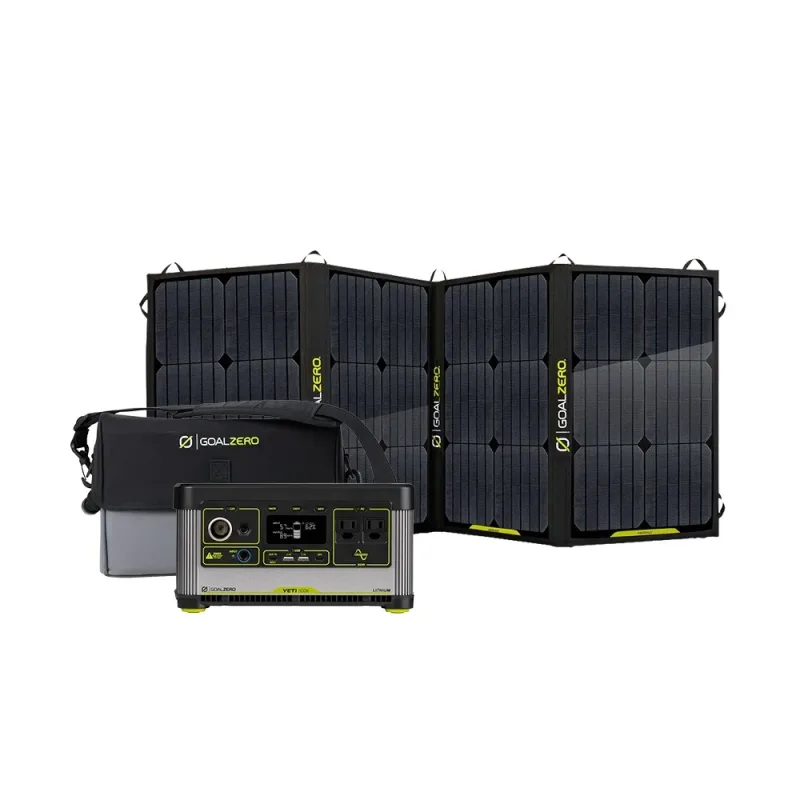
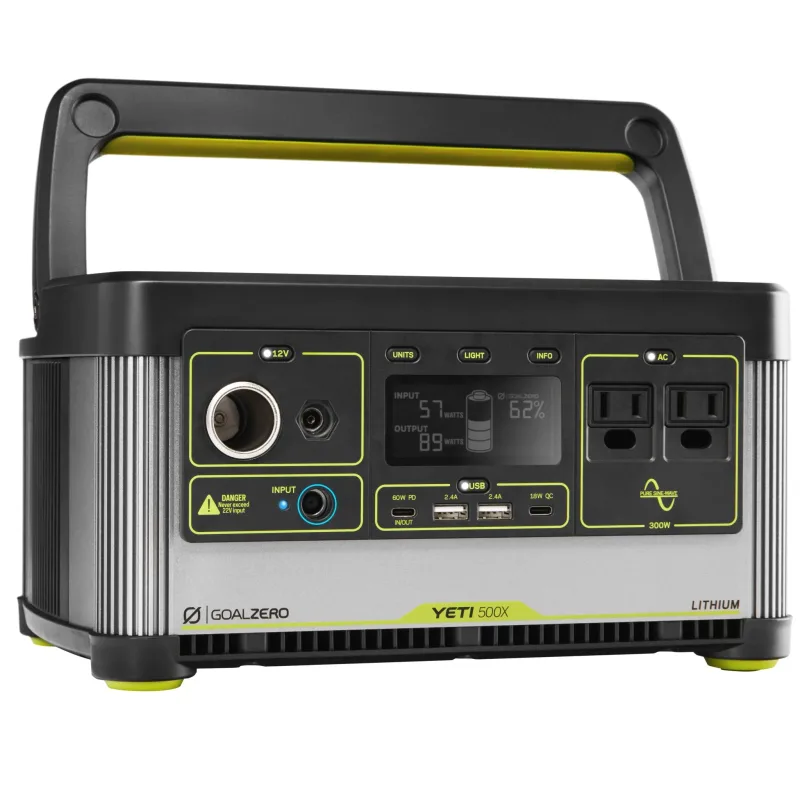
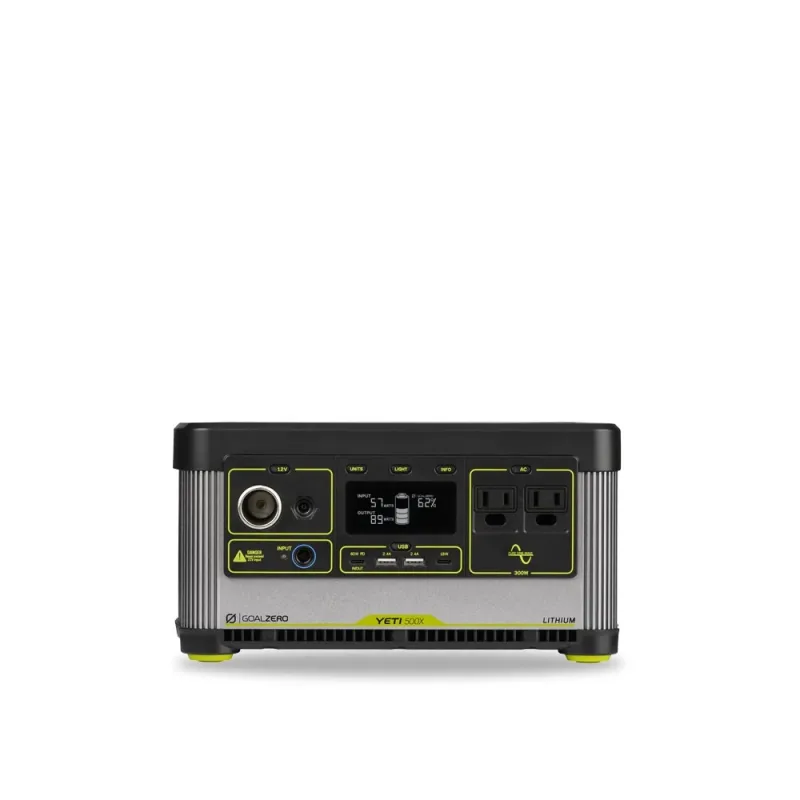
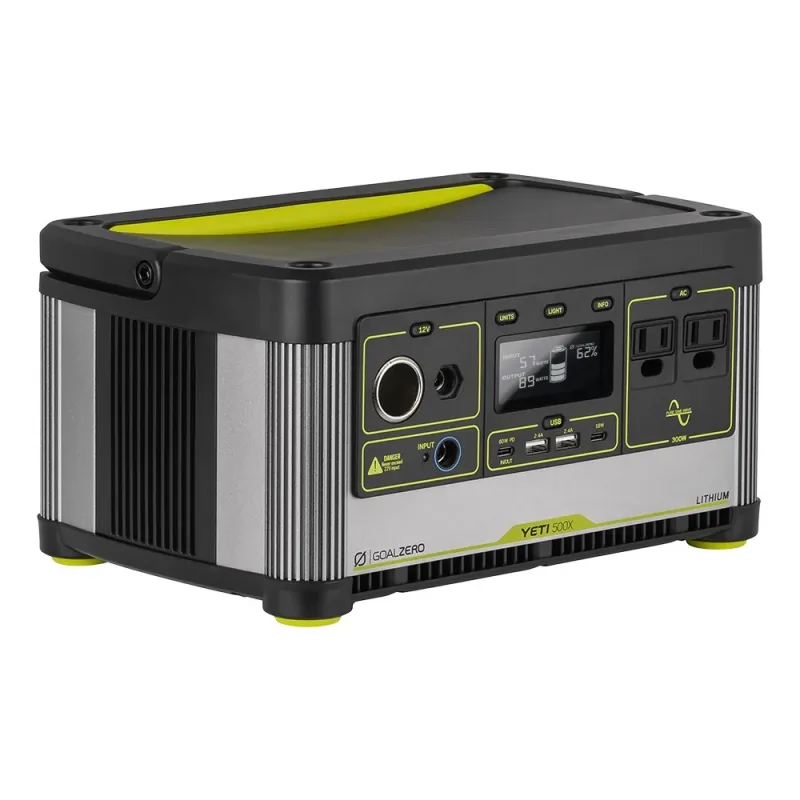
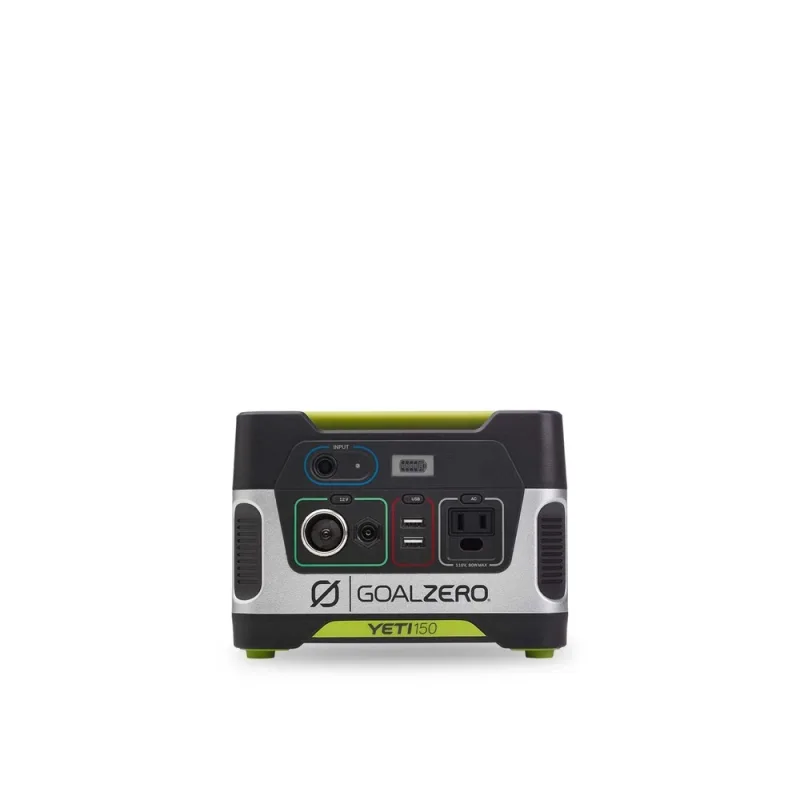
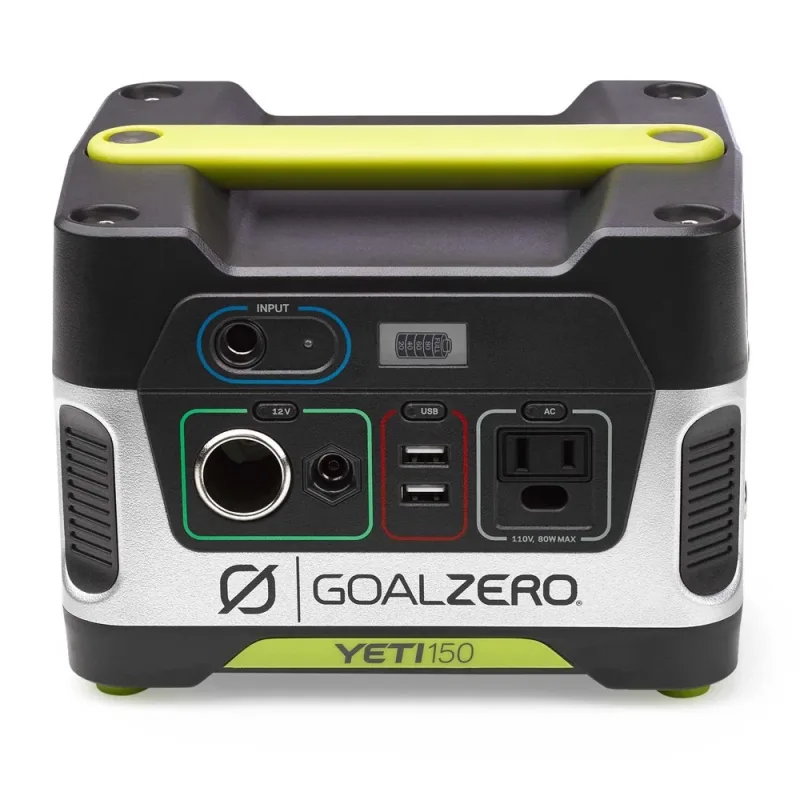
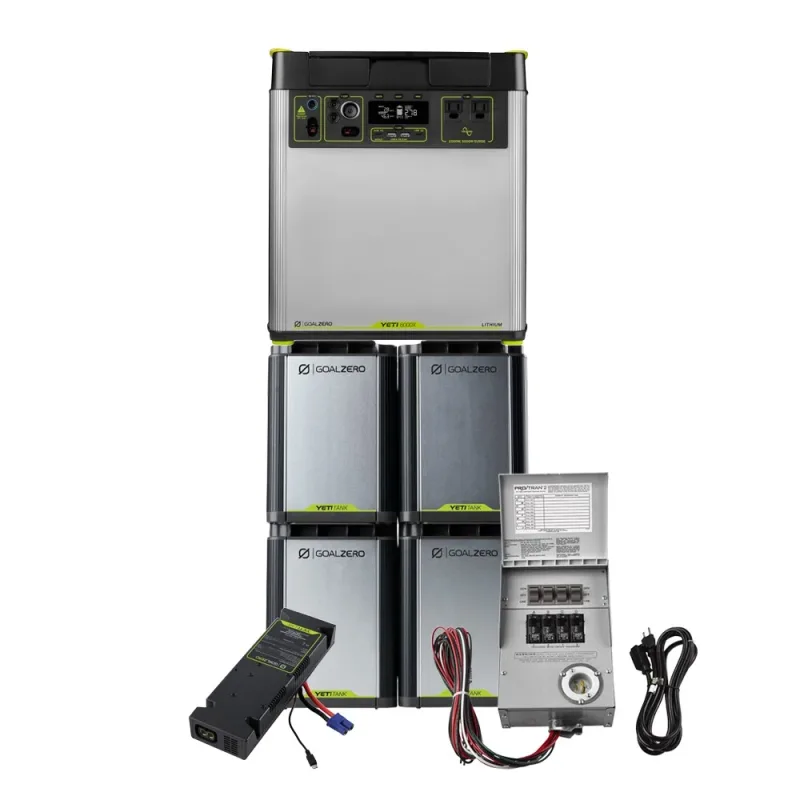
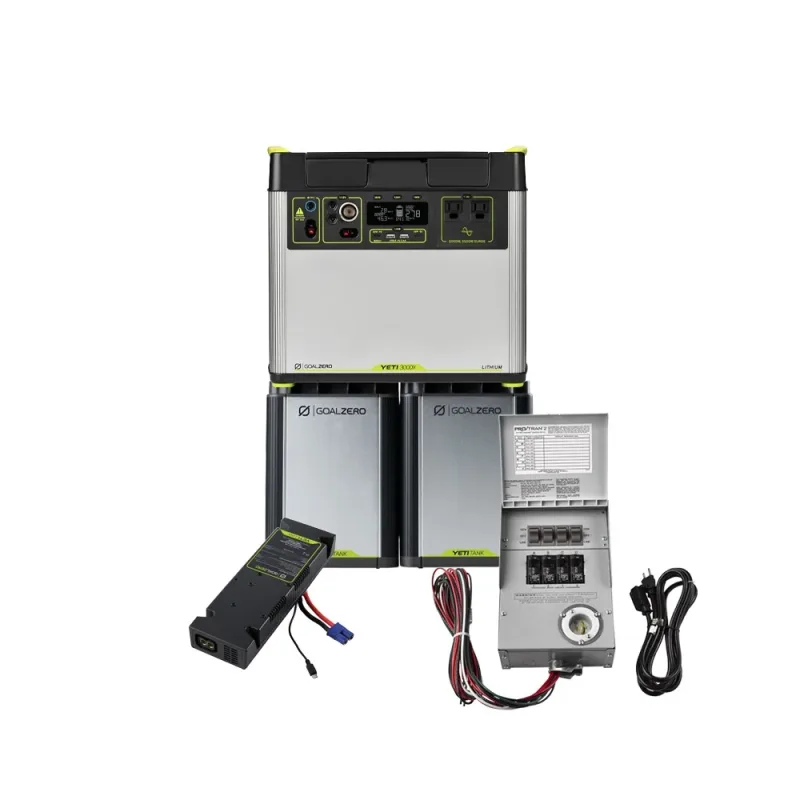
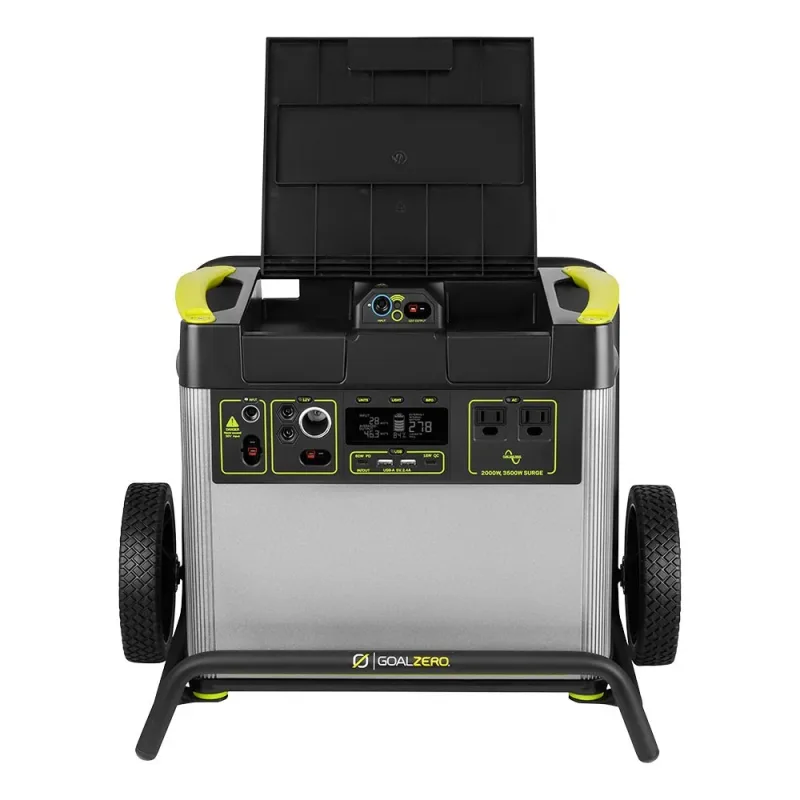
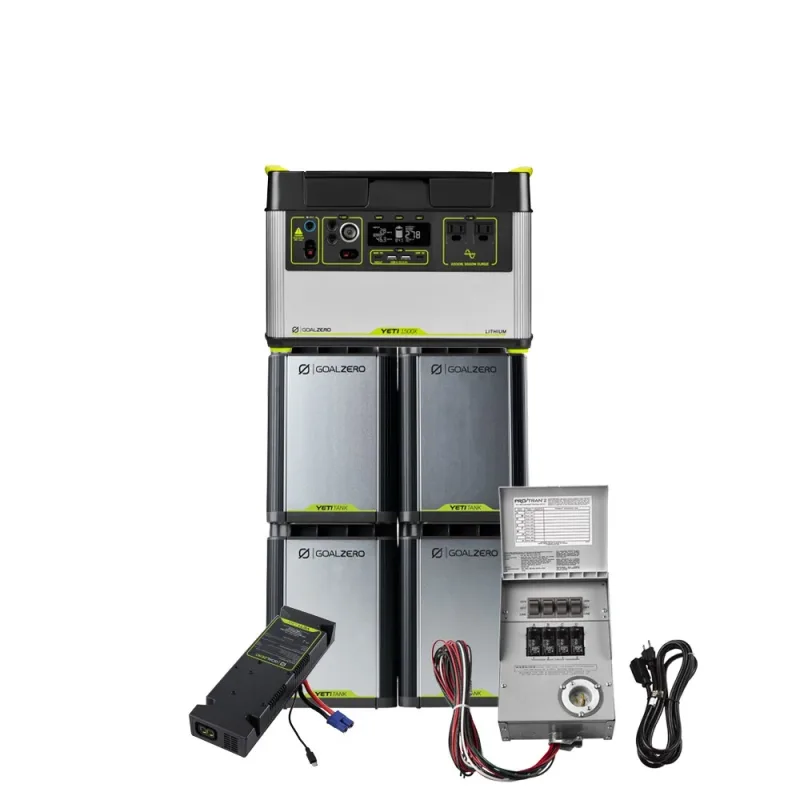
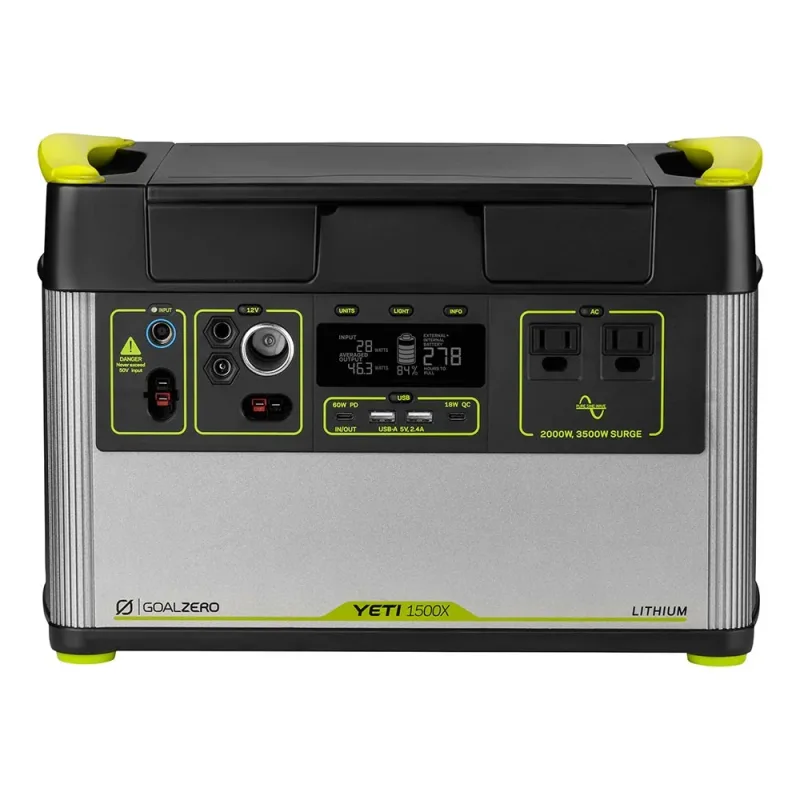
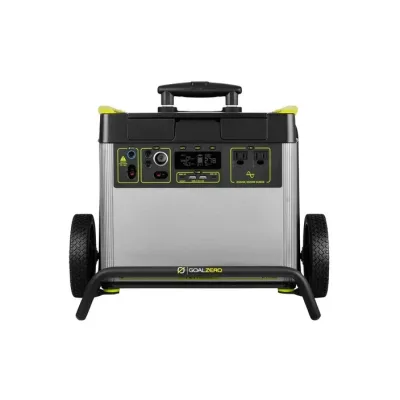
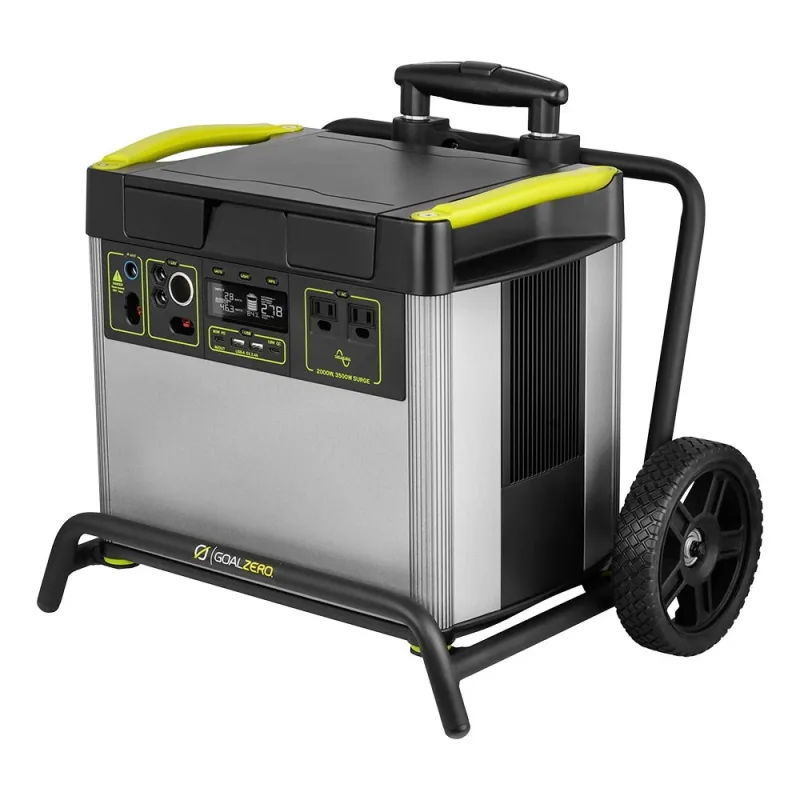
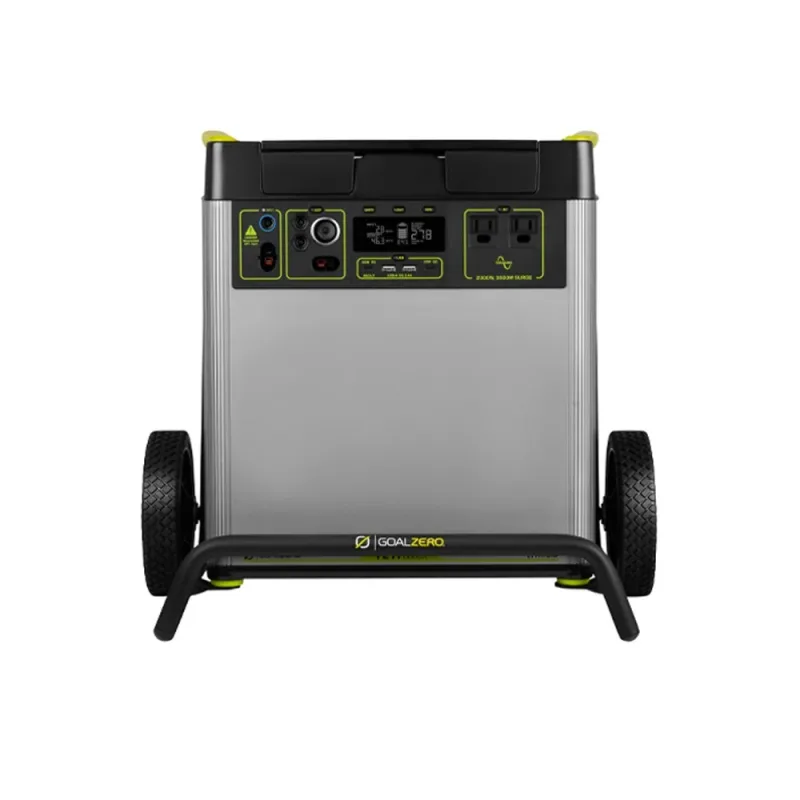
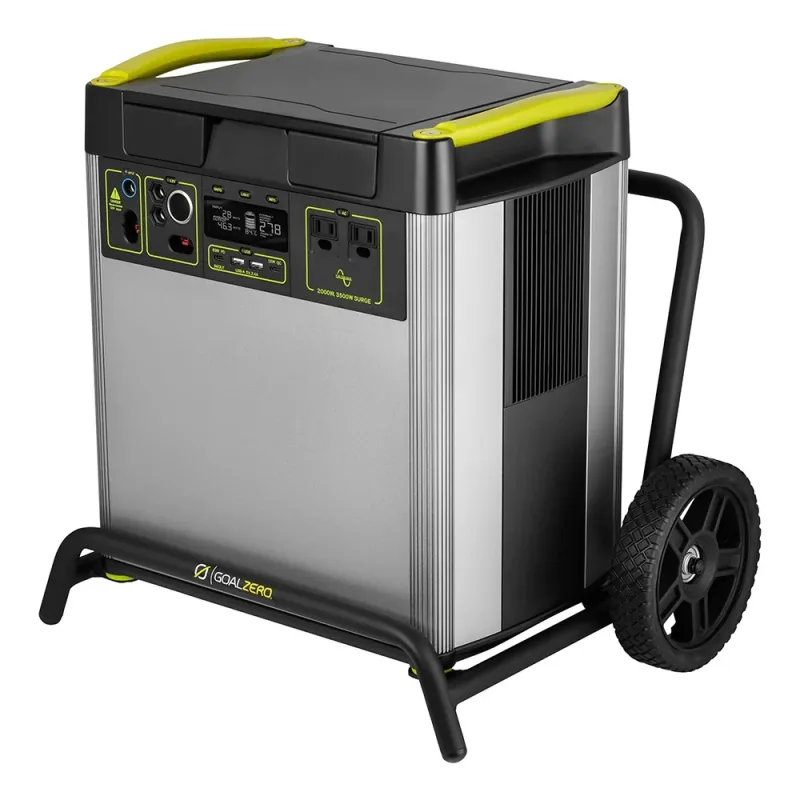
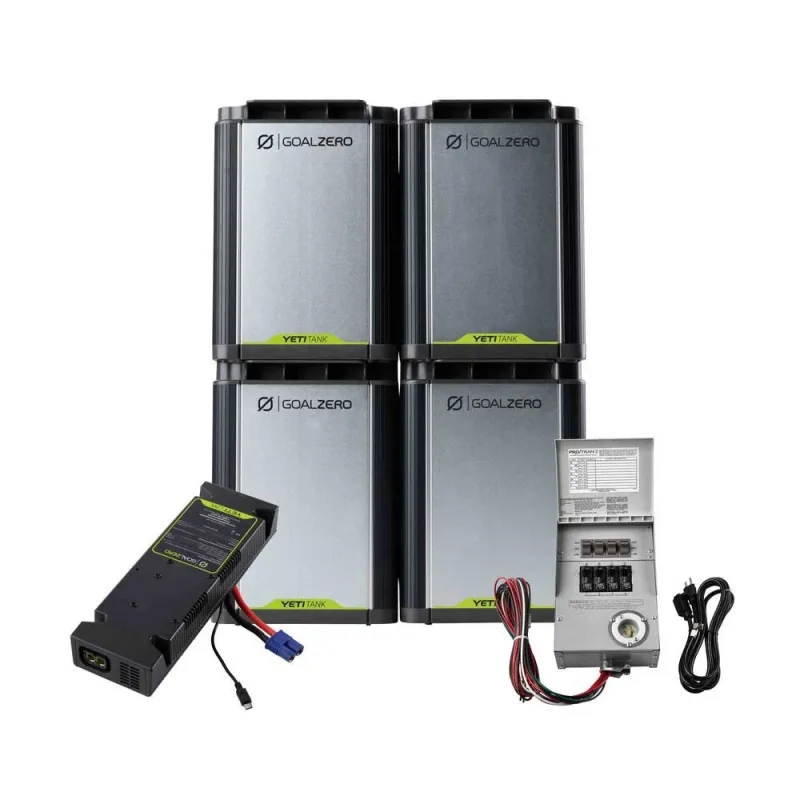
Before you buy anything, add up what you actually want to run when the grid goes down. Phone chargers and LED lights pull maybe 100–200Wh a day. A Yeti 500X + Nomad 100 Solar Generator handles that without breaking a sweat. Toss in a laptop and a small fan and you're closer to 500Wh, which is where a Yeti 500X or Yeti 150 starts to feel tight. Fridge, well pump, furnace blower? That's a different tier entirely — a 10800Wh Home Backup System or 5400Wh Home Backup System is built for that load, and the 6300Wh Home Backup System sits in the middle if you want room to grow. Write your number down. It decides everything else.
Pairing Panels and Stations
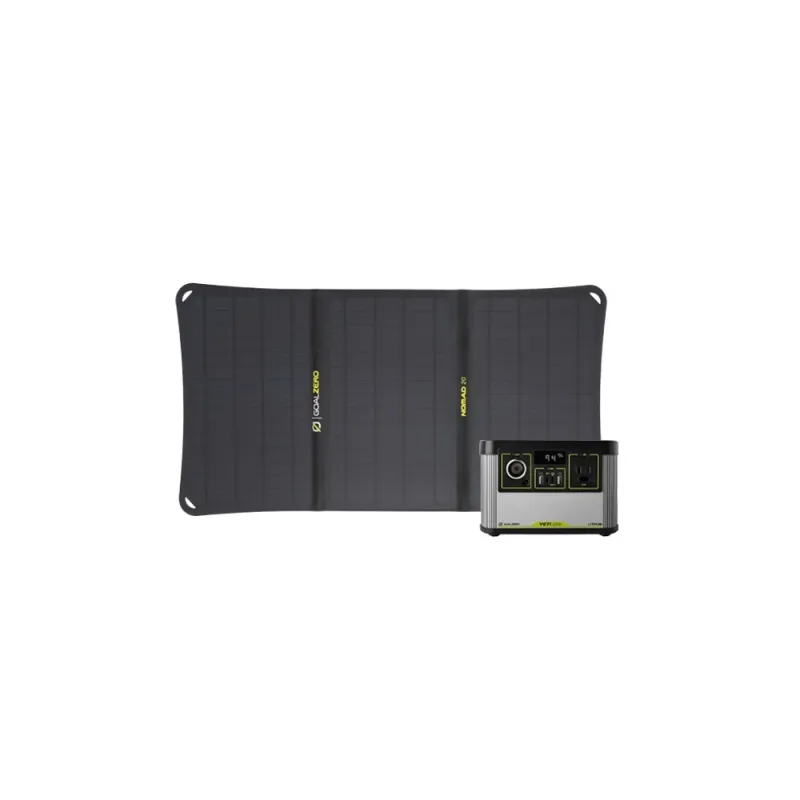
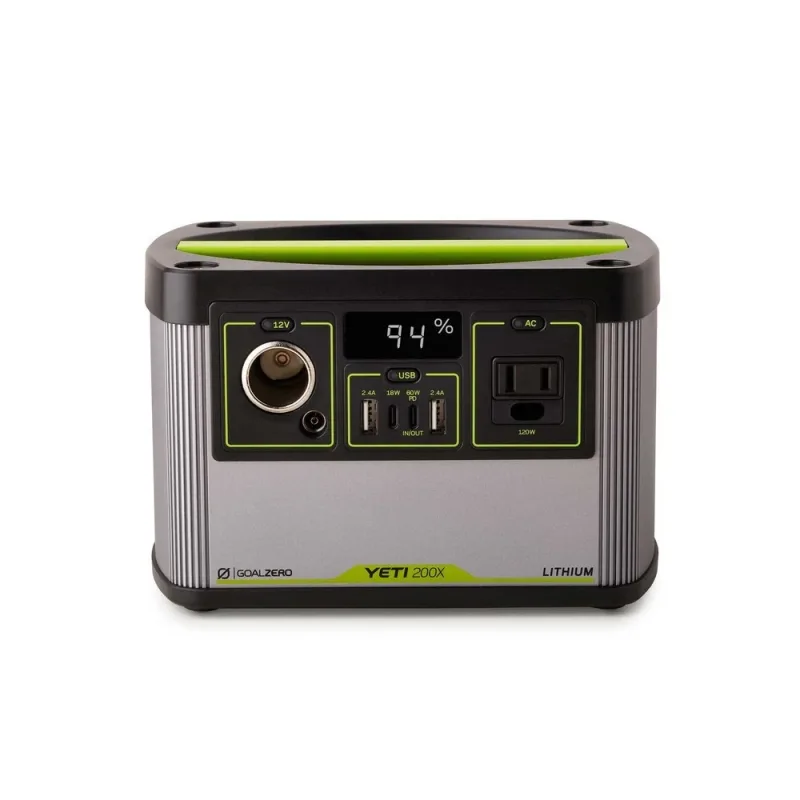
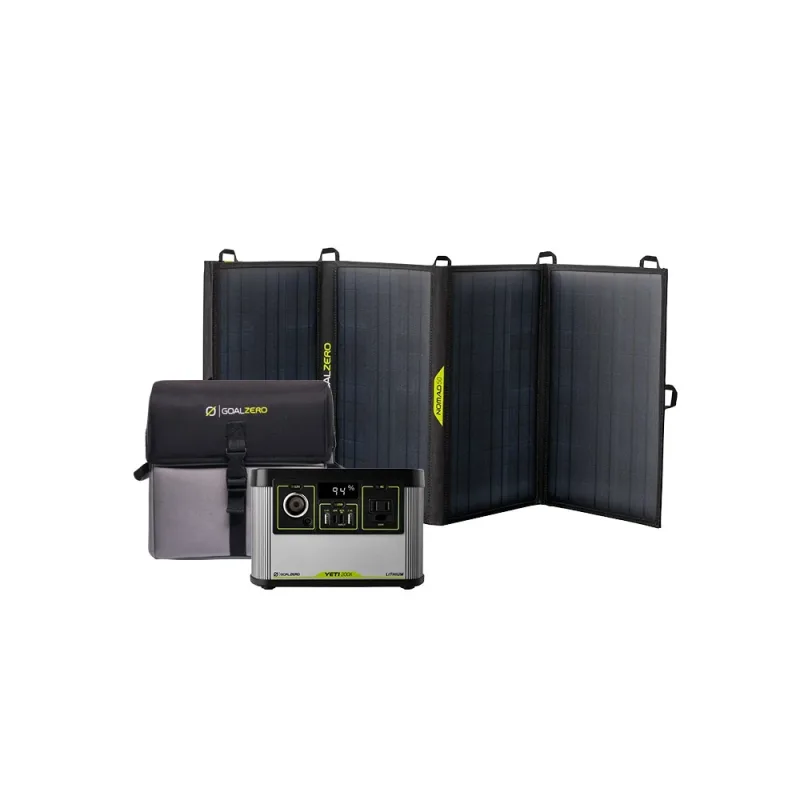
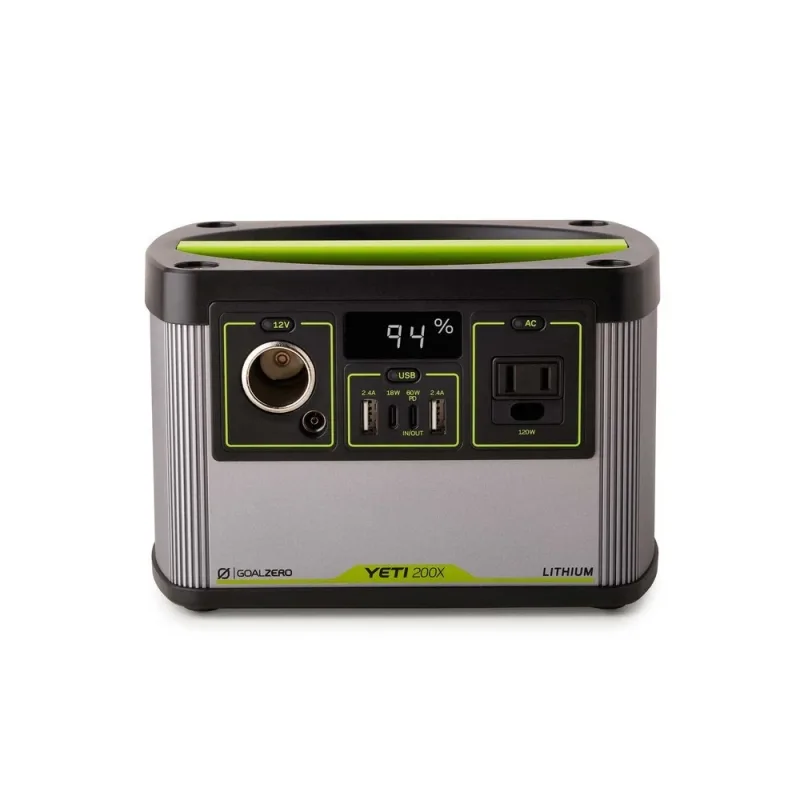
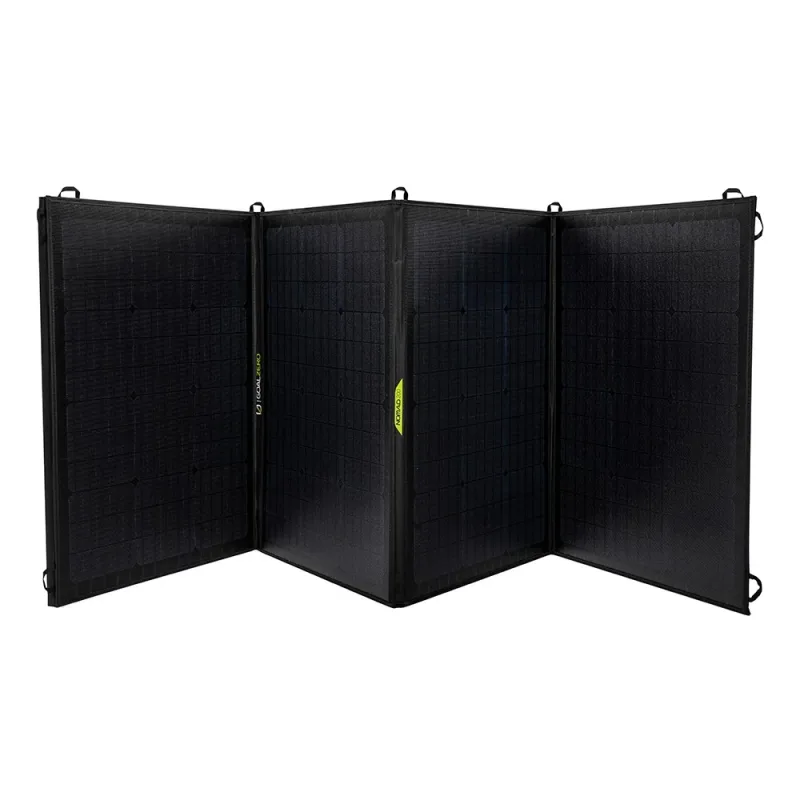
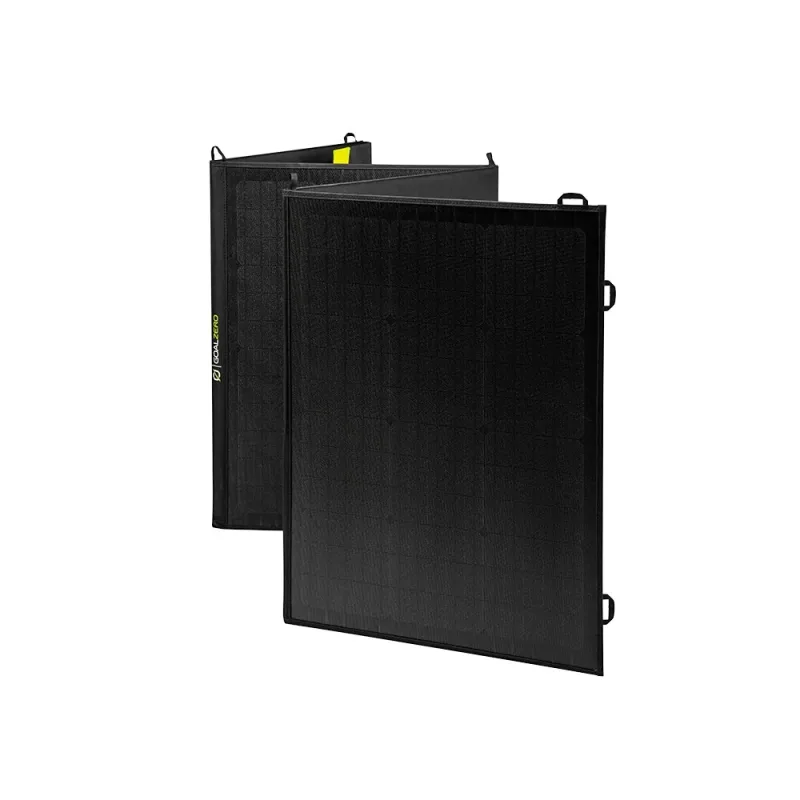
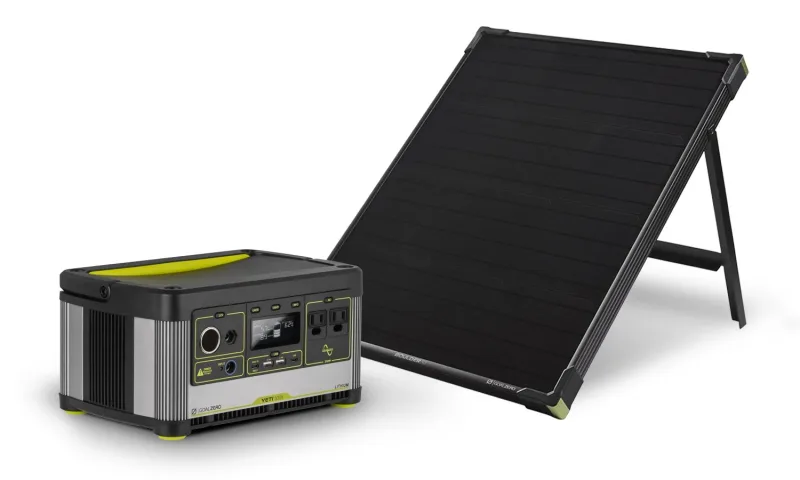
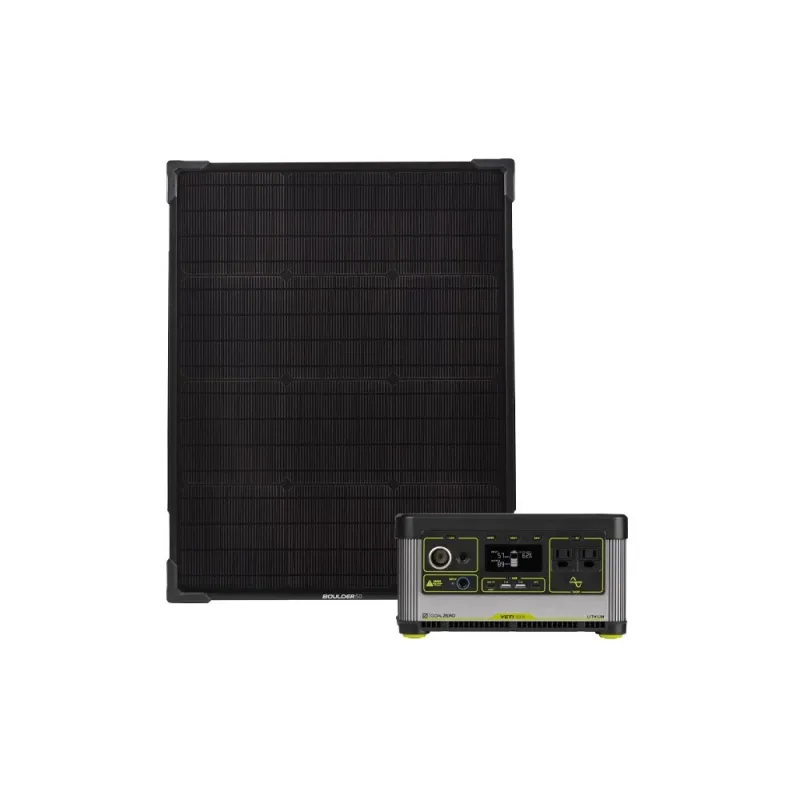
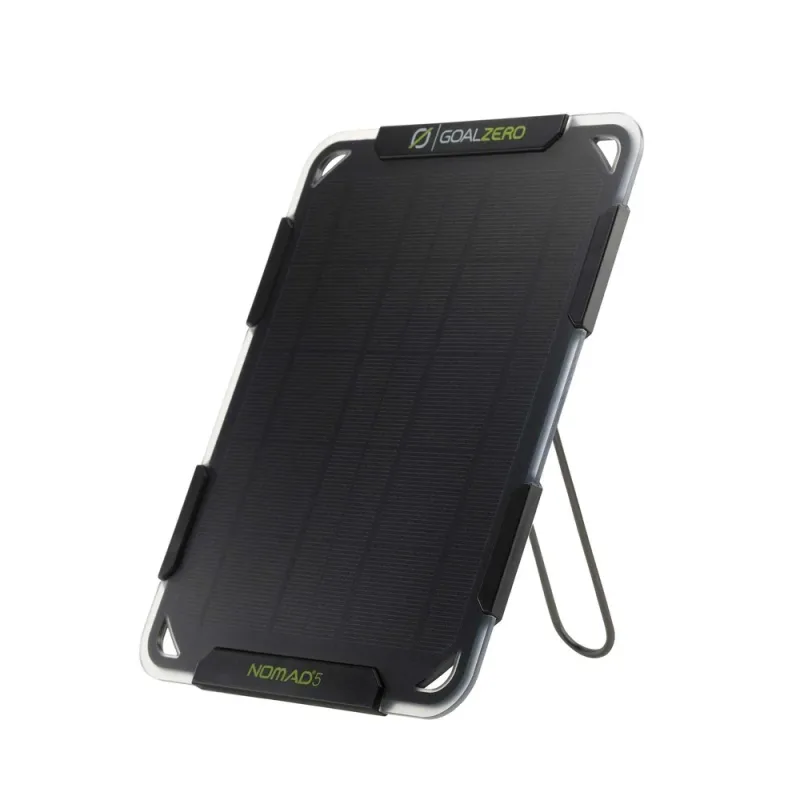
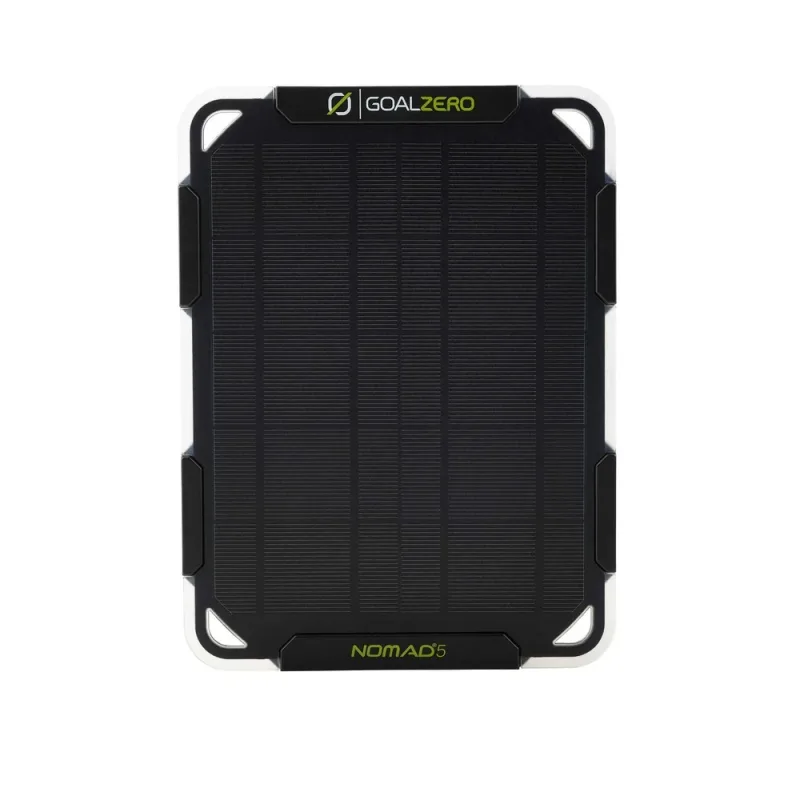
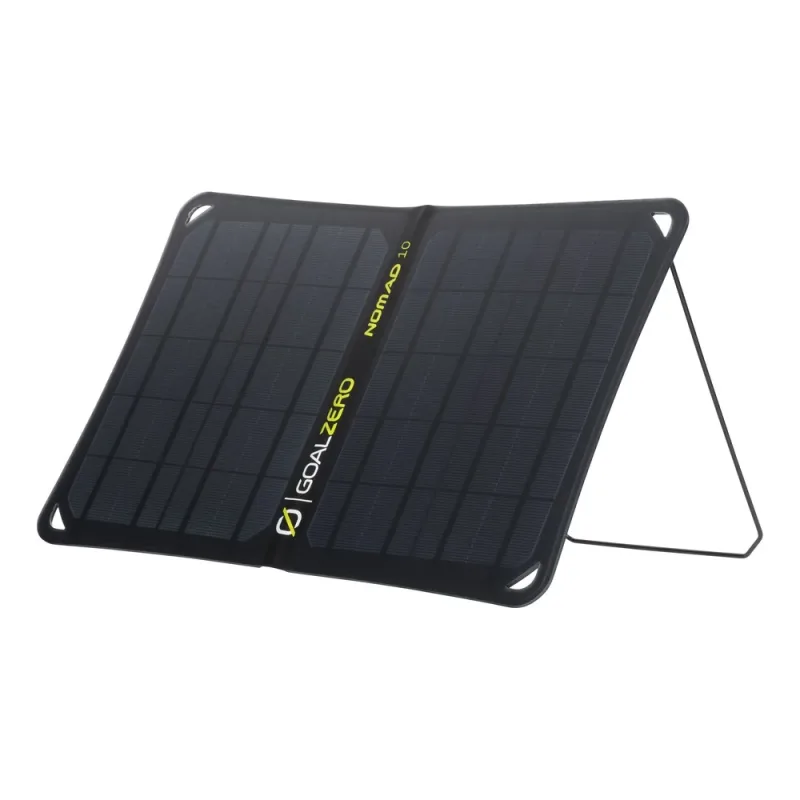
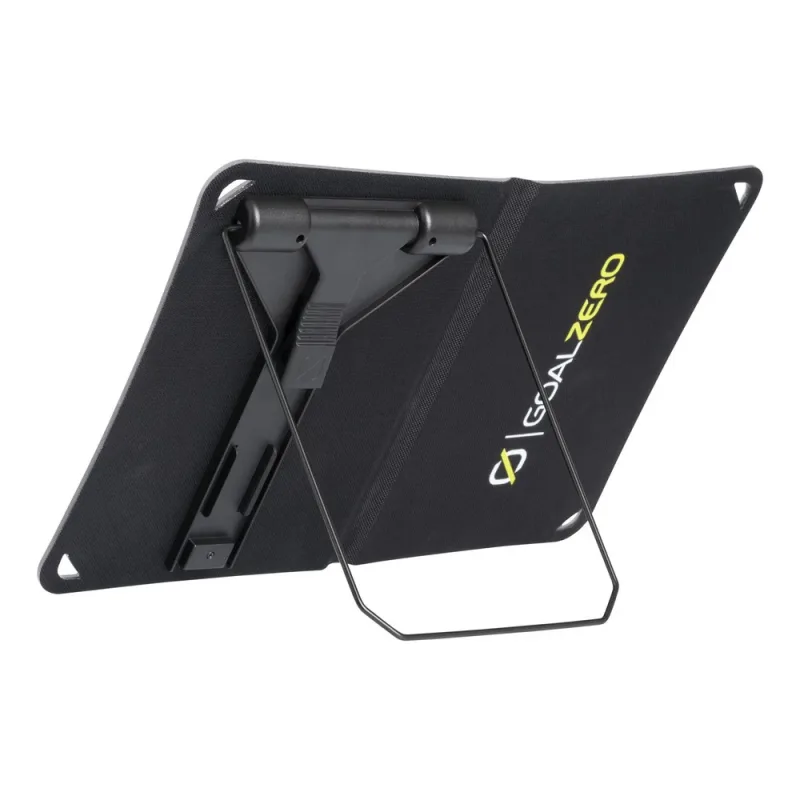
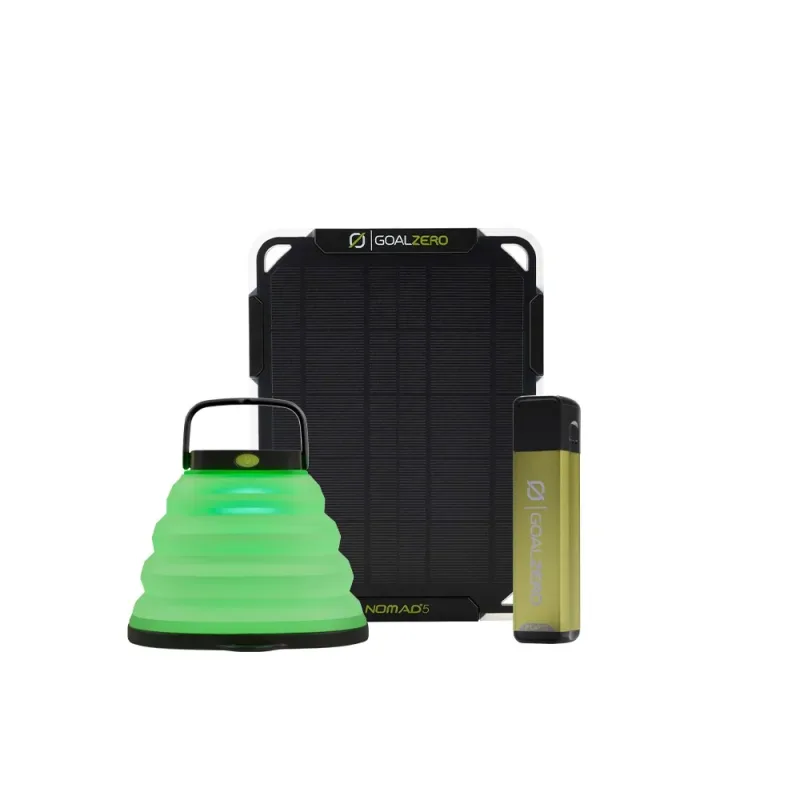
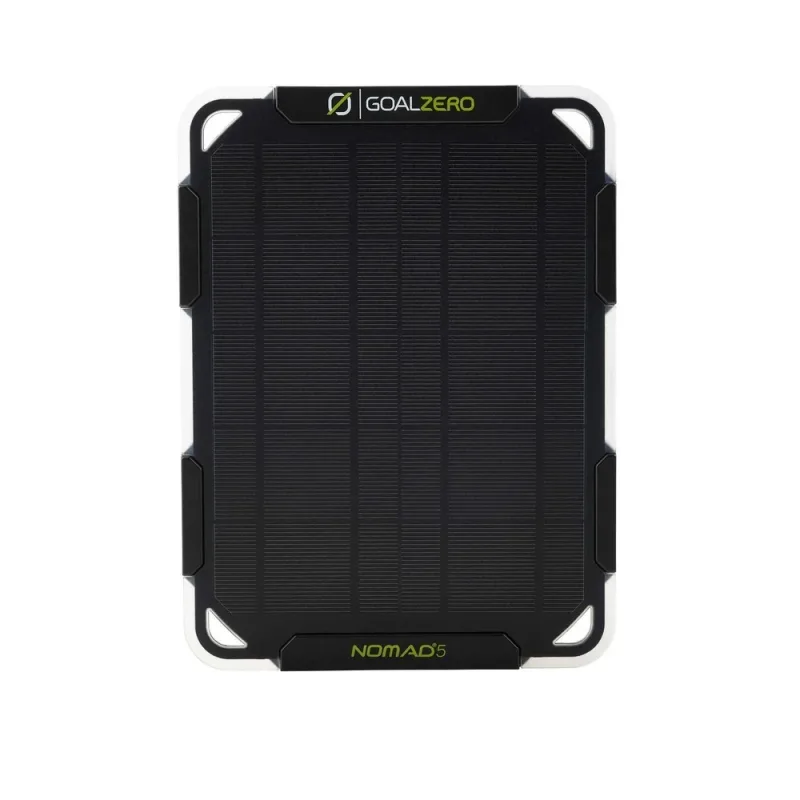
Panel and station matching trips up more people than any other part of this. A Yeti 200X + Nomad 20 Solar Generator is a weekend kit — it'll top up a phone and a headlamp, not much more. Step up to a Yeti 200X + Nomad 50 Solar Generator and you get noticeably faster recharge in real sun. For a Yeti 3000X or Yeti 6000X, you want bigger panels: an Nomad 200 or a pair of Boulder panels. The Yeti 500X + Boulder 50 Solar Generator is a good starter bundle if you plan to leave a panel mounted on a shed roof. Camping? The Nomad 5 and Nomad 10 are light enough to clip to a pack, and the Nomad 5 + Flip 12 + Chroma Kit covers a tent light and a phone in one grab.
Cables and Connectors That Actually Fit
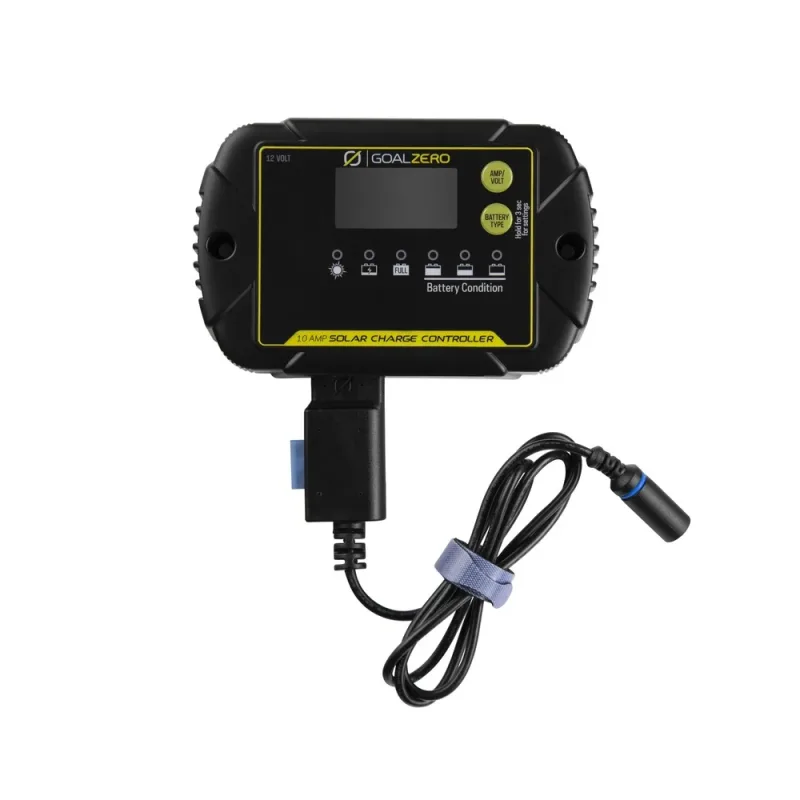
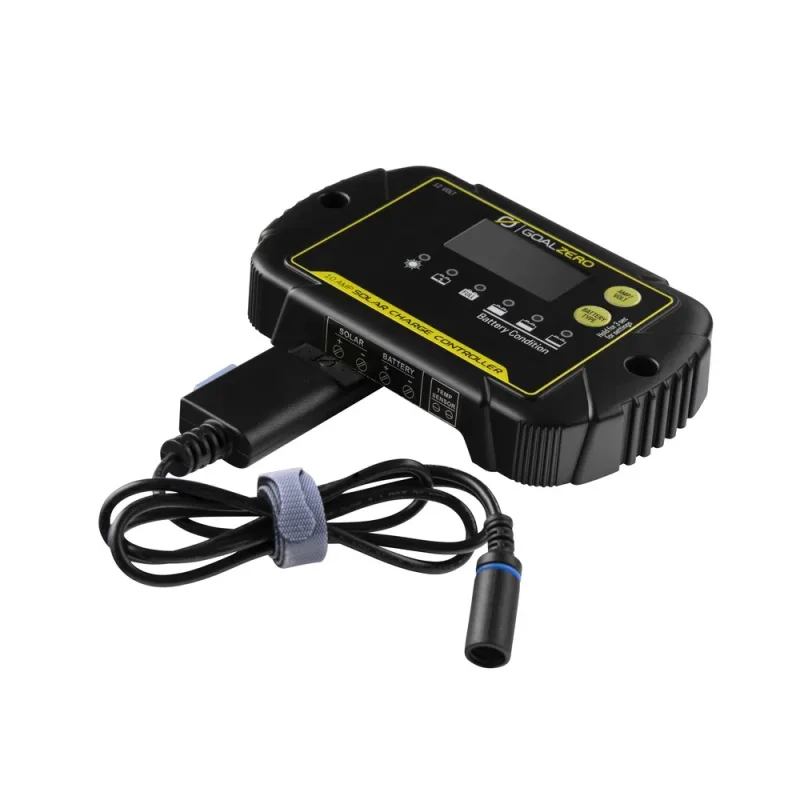
Here's the part nobody tells you: the panel you bought may not reach the station where you want to put it. An HPP+ 15 ft. or 30 ft. Solar Extension Cable solves that without voltage drop ruining your afternoon. If you're running cable through a wall or a camper shell, the HPP+ Solar Bulkhead Inlet gives you a clean pass-through instead of a window cracked open with a cord pinched in it. Chaining two or three panels? The 3x HPP+ Solar Parallel Combiner lets you do it without buying a second charge controller. Speaking of which — the 10-Amp Charge Controller is worth having on hand if you're mixing panel sizes or running a lead-acid battery alongside your Yeti. Small thing, saves a lot of guessing.
Expanding and Integrating
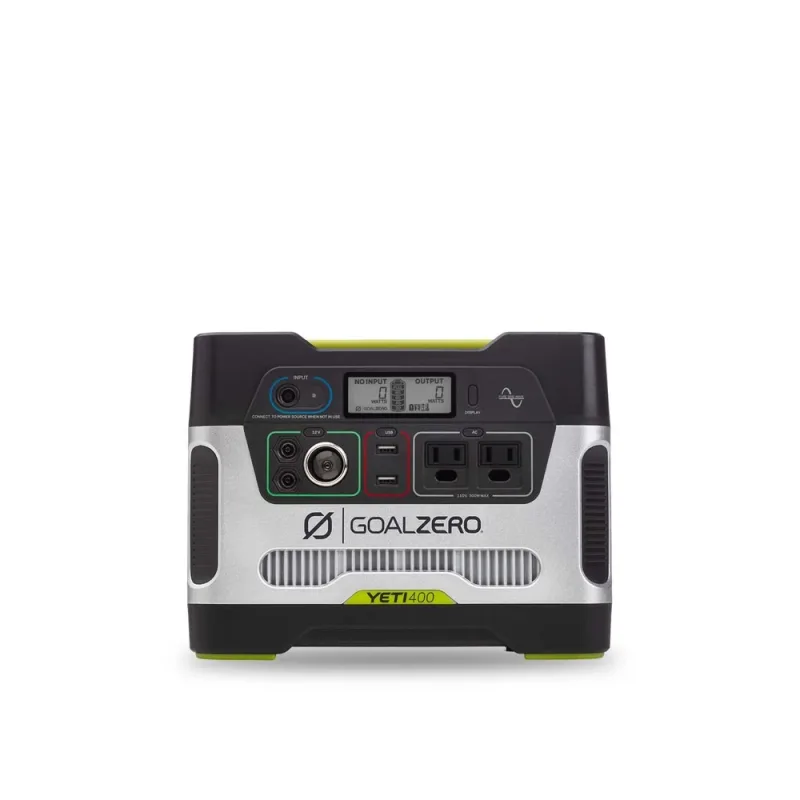
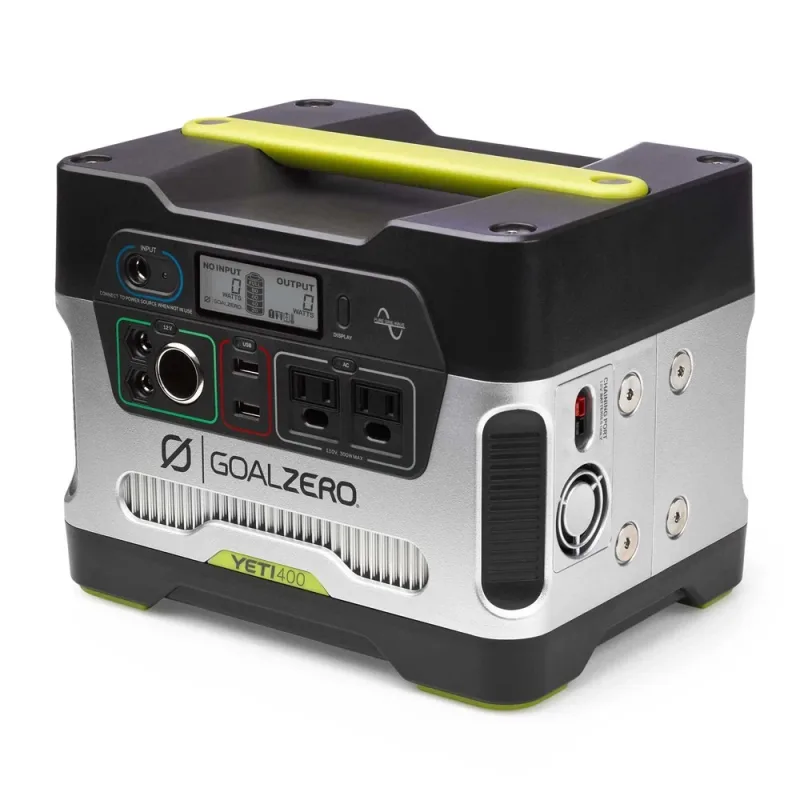
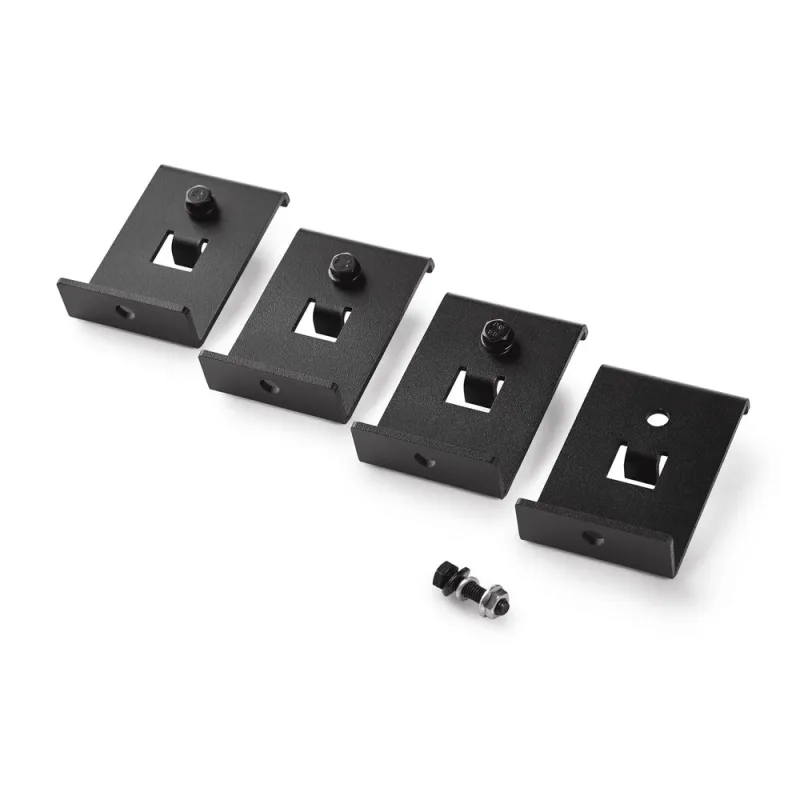
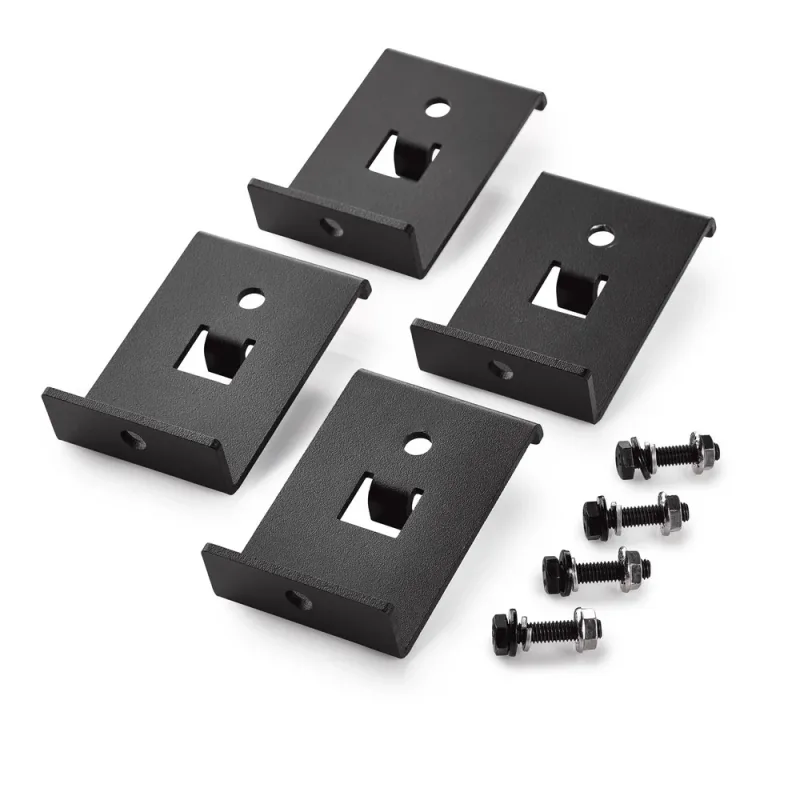
You don't have to buy the big system on day one. A 4800Wh Yeti Expansion Kit with HIK adds capacity to an existing Yeti later, which is how a lot of people actually build these systems — start with a Yeti 400 or Yeti 150 for lights and phones, then bolt on capacity when the budget allows. The Yeti Link Expansion Module V3 and Yeti Link Vehicle Integration Kit V3 let you charge from your truck's alternator while you drive, which is genuinely useful if you're hauling gear to a job site or a trailhead. Mounting matters too: Boulder Mounting Brackets (4 Pack) keep a panel from becoming a kite in a windstorm.
Small Lights, Big Difference
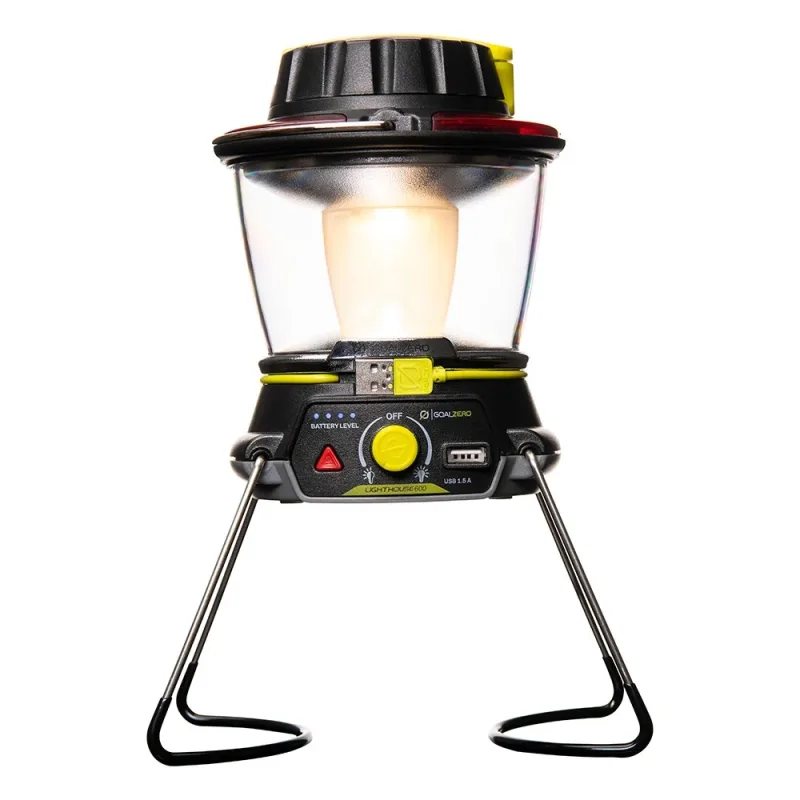
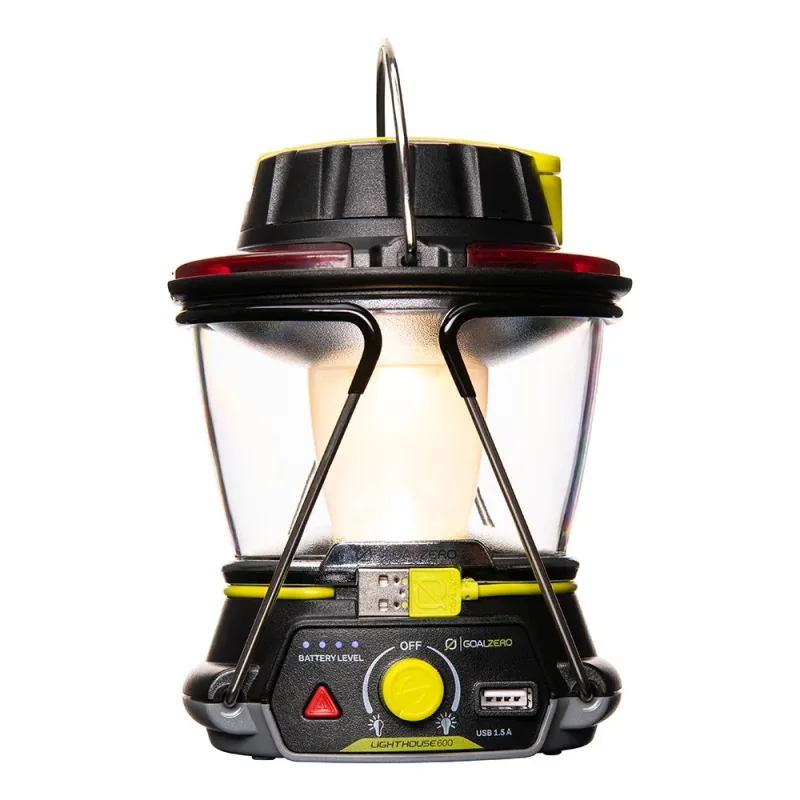
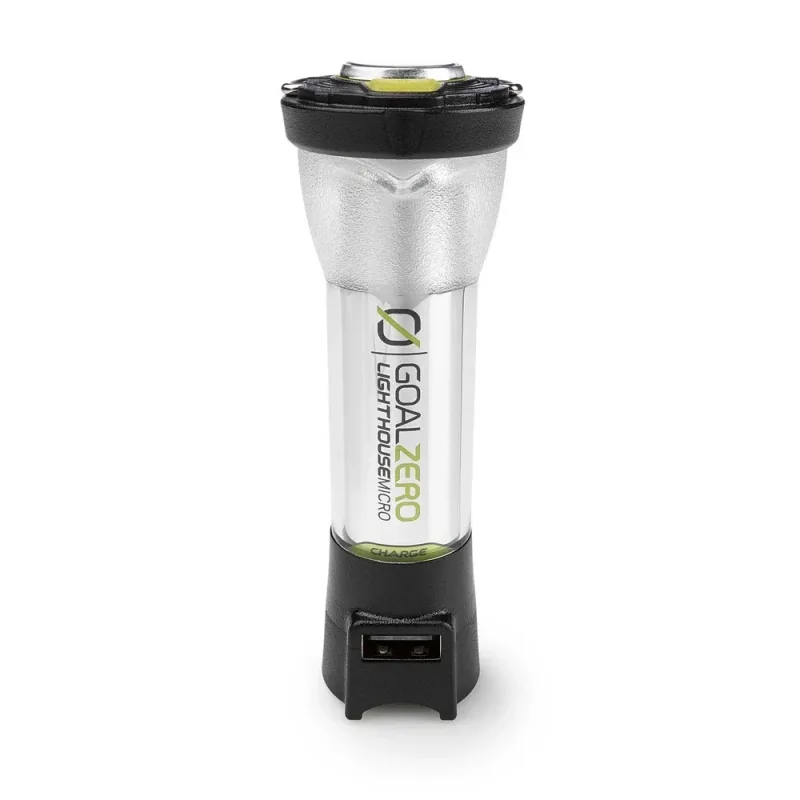
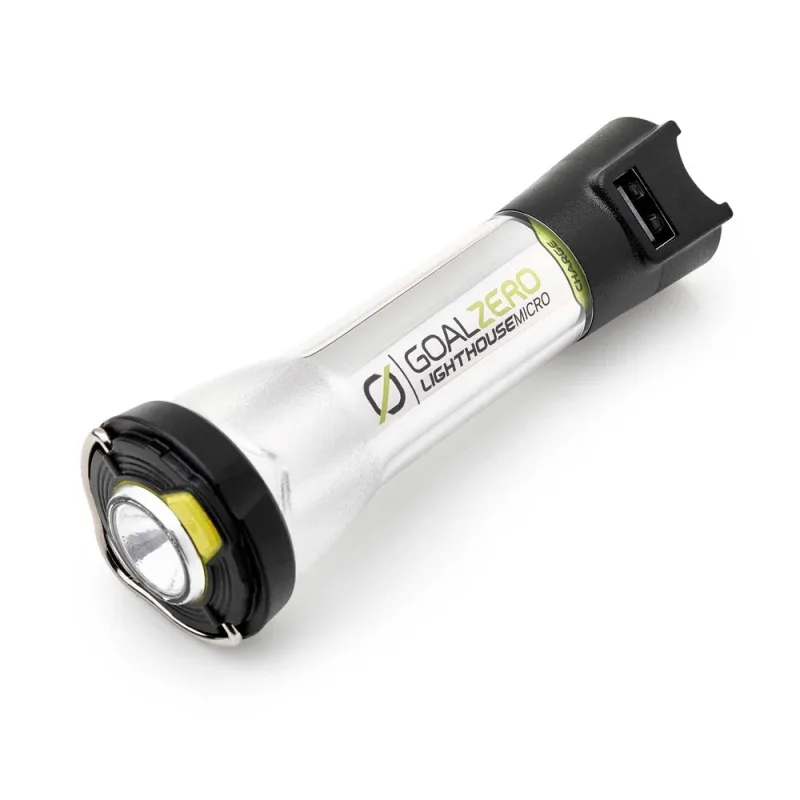
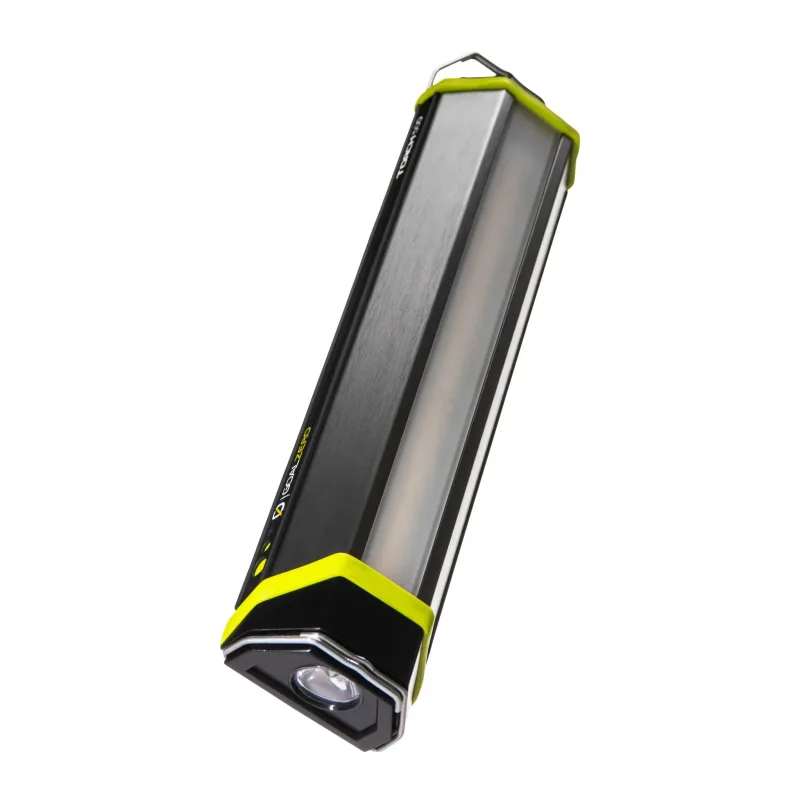
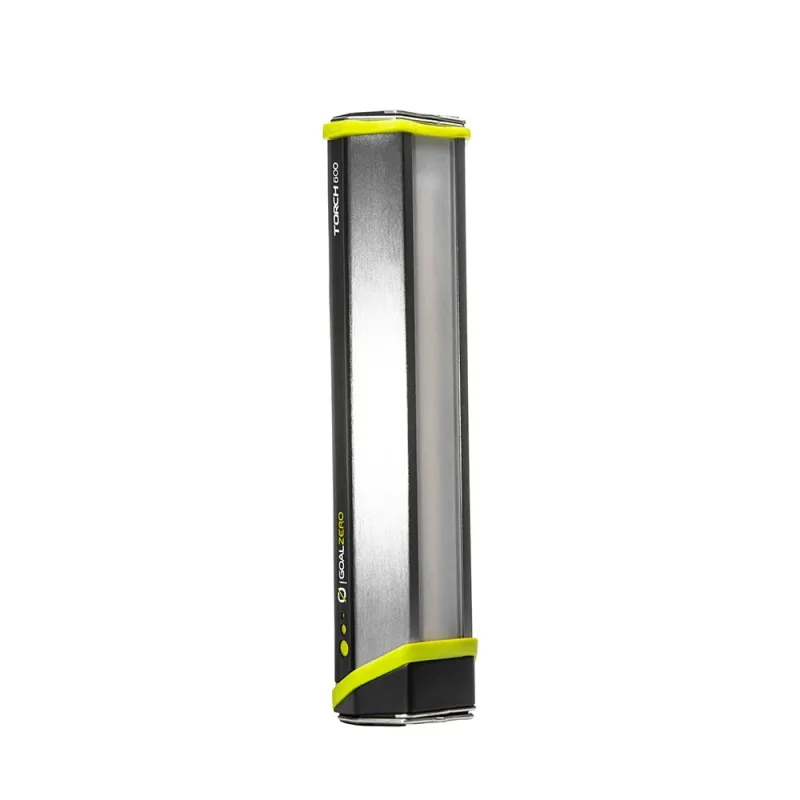
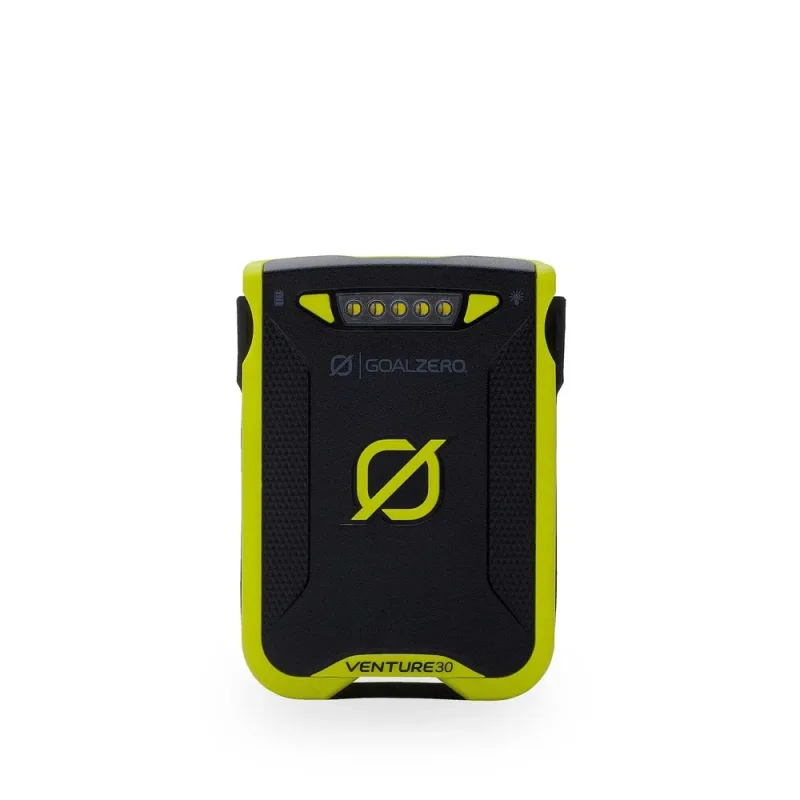
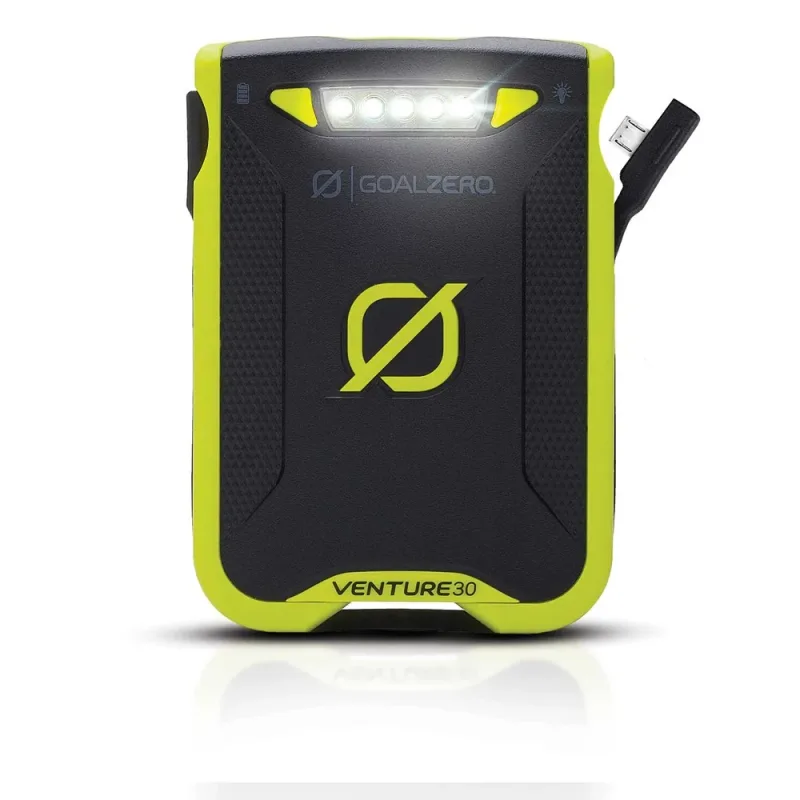
Lanterns are the cheapest upgrade to any backup setup. A Lighthouse 600 Lantern & USB Power Hub lights a room and charges a phone at the same time. The Lighthouse Micro Charge USB Rechargeable Lantern clips to a tent loop or a belt. For a grab-and-go bag, a Torch 500 Multi-Purpose Light plus a Venture 30 Power Bank covers most of what you'd need for a night without power. Keep a Three Pack USB to Lightning 4-Inch Cable in the same bag — short cables don't tangle, and you'll thank yourself later. Start with the watt-hour number you wrote down, pick the station that matches it, and add panels and cables as you go.