Understanding Your Goal Zero Power System
Building a reliable off-grid or backup power setup starts with understanding how the three core pieces fit together: a Yeti power station stores energy, a Nomad or Boulder solar panel collects it, and the connecting cables and expansion modules let you grow the system over time. Whether you are keeping a few phones charged on a camping trip or running essential appliances during an outage, the same principles apply.
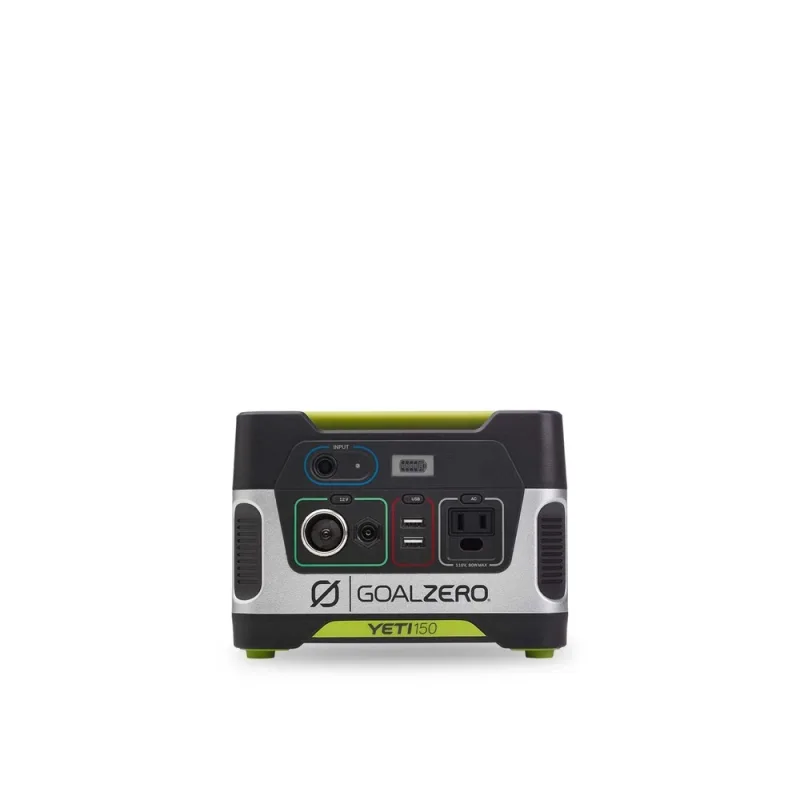
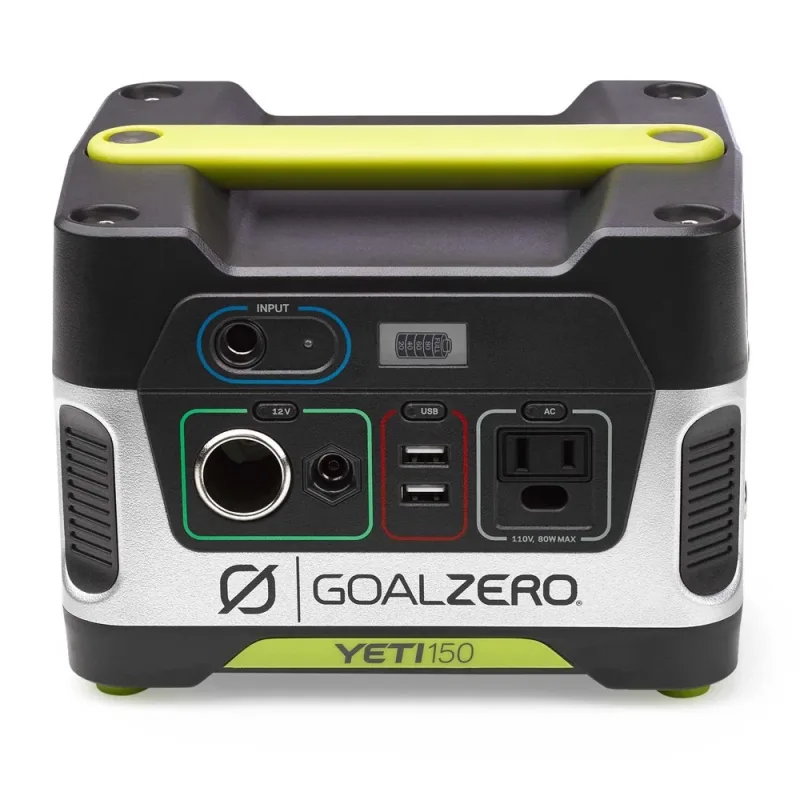
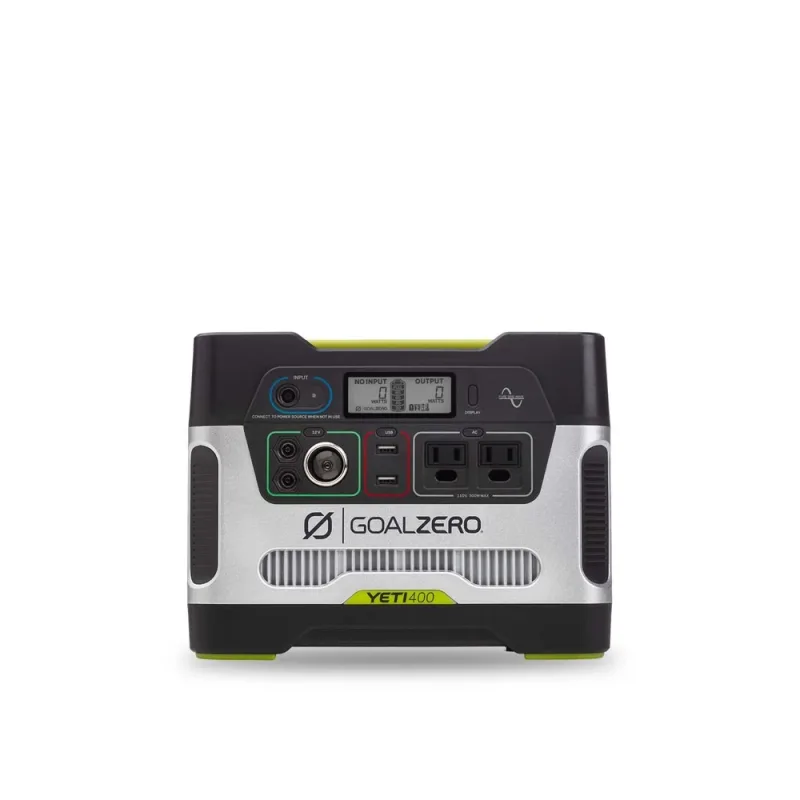
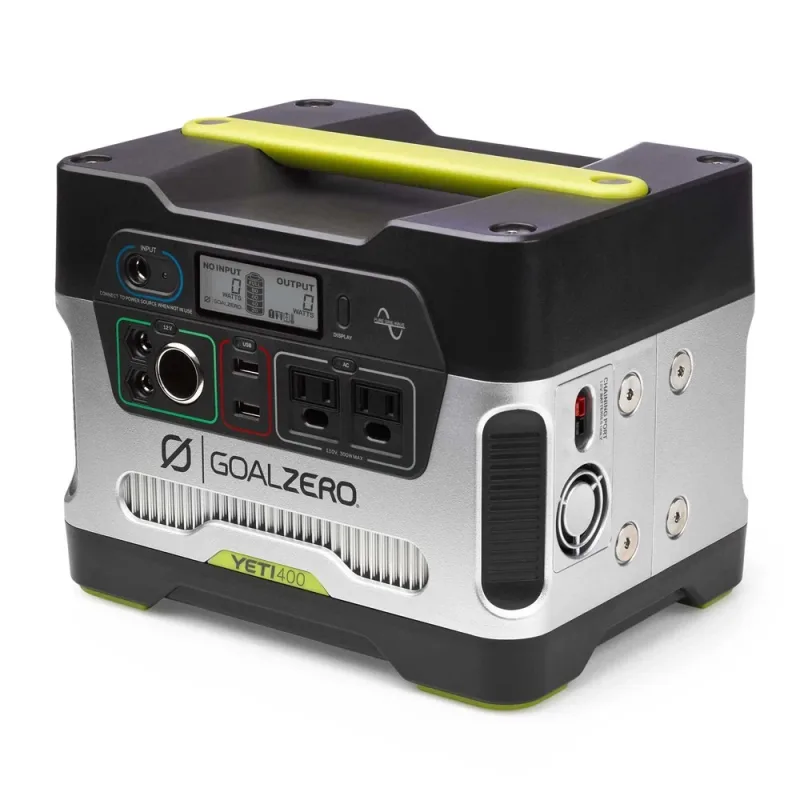
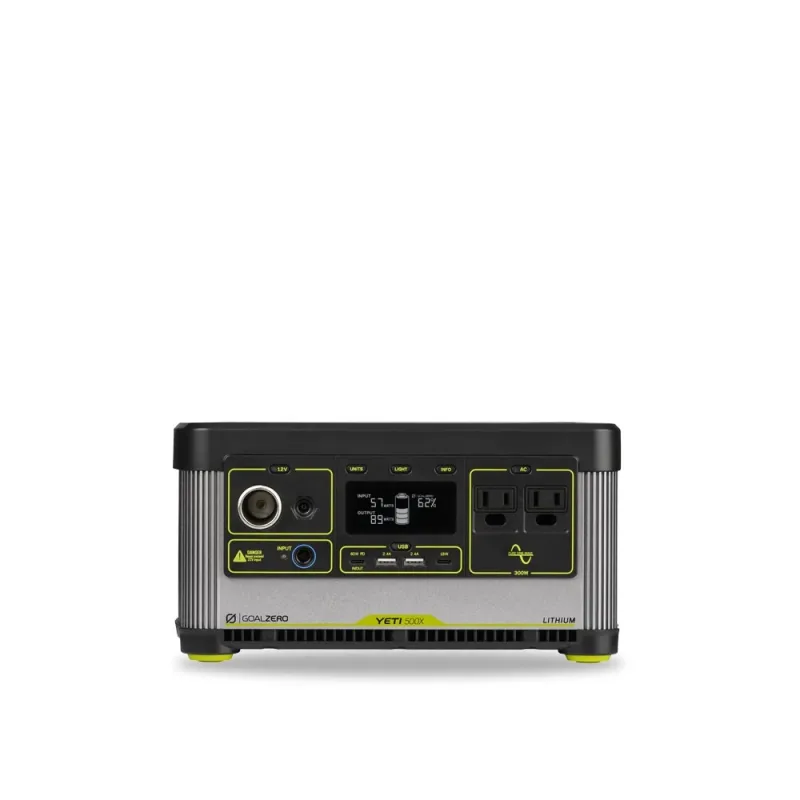
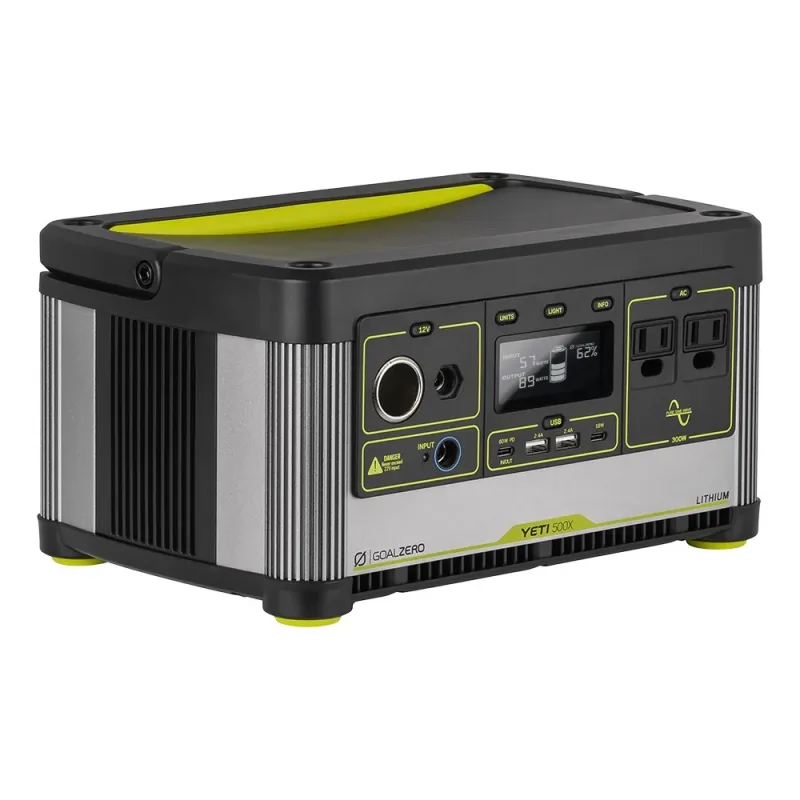
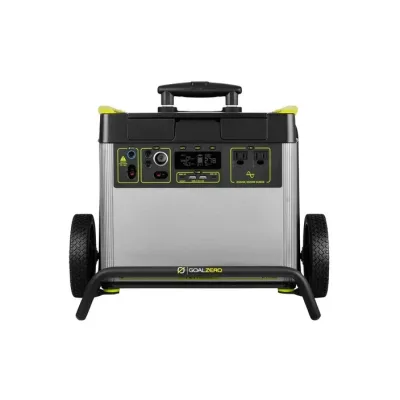
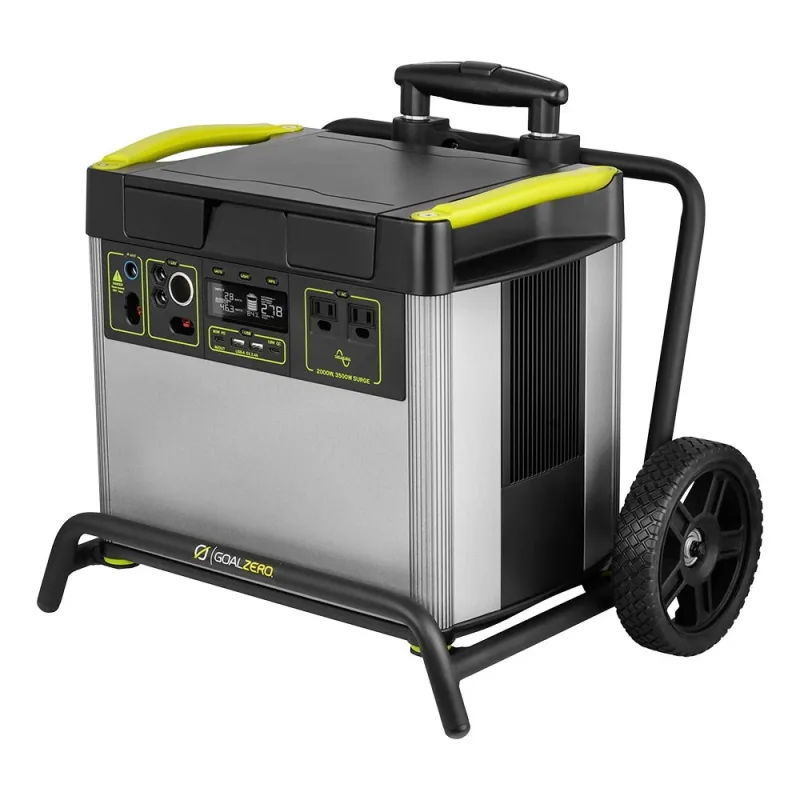
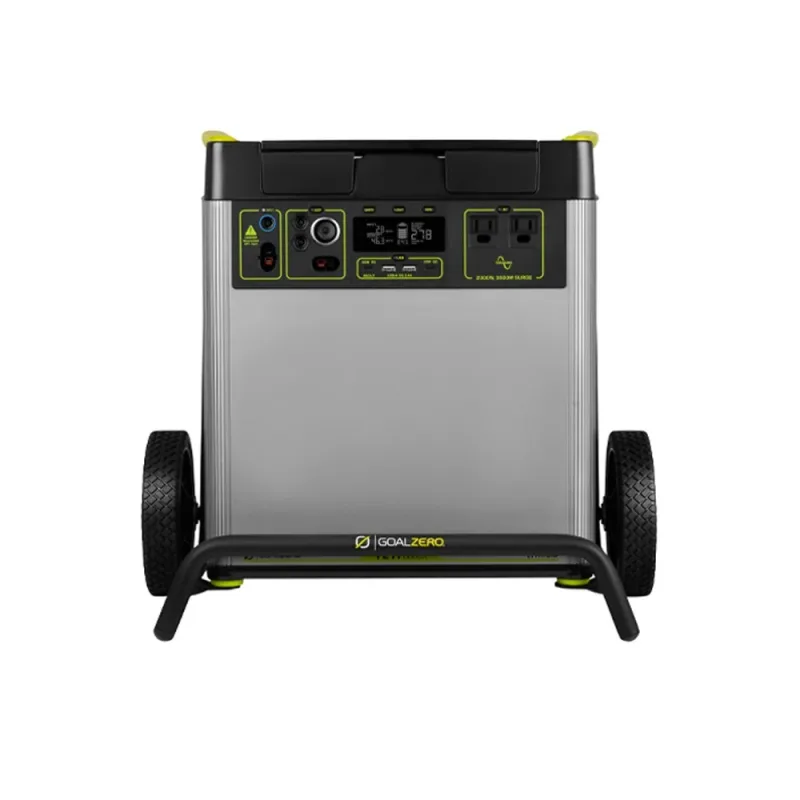
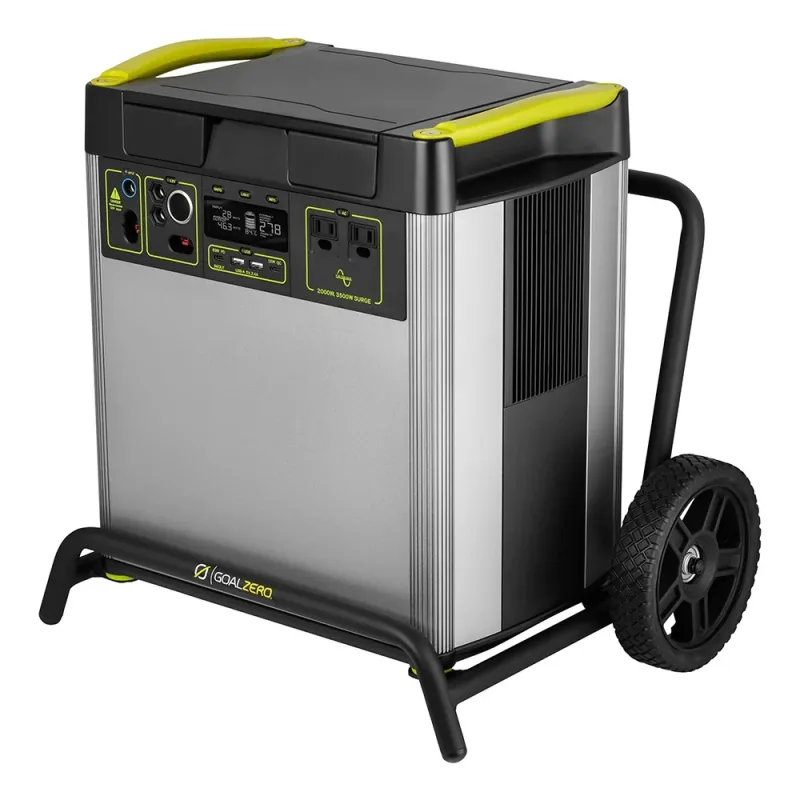
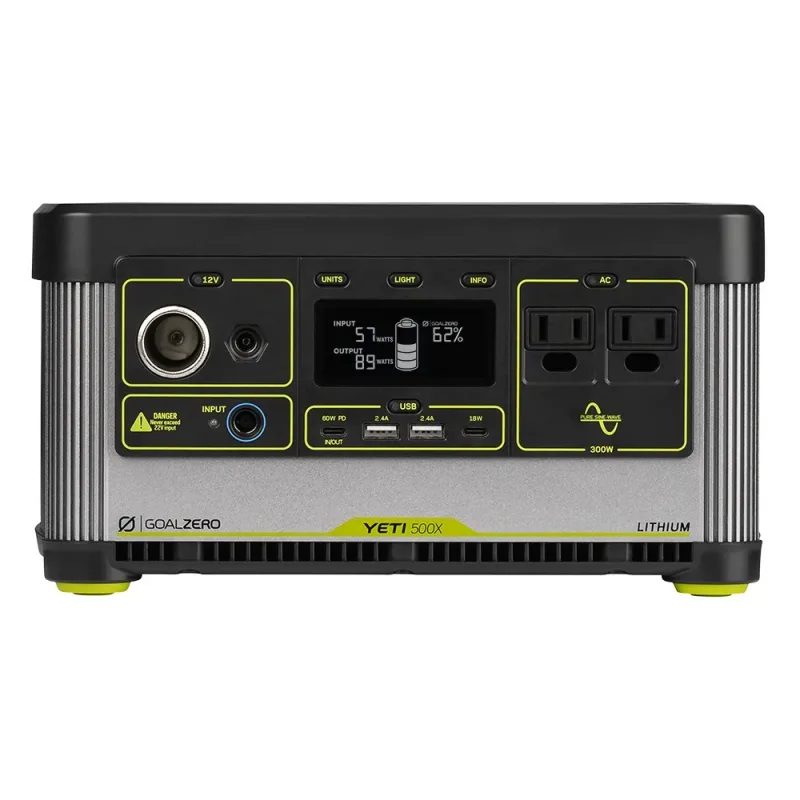
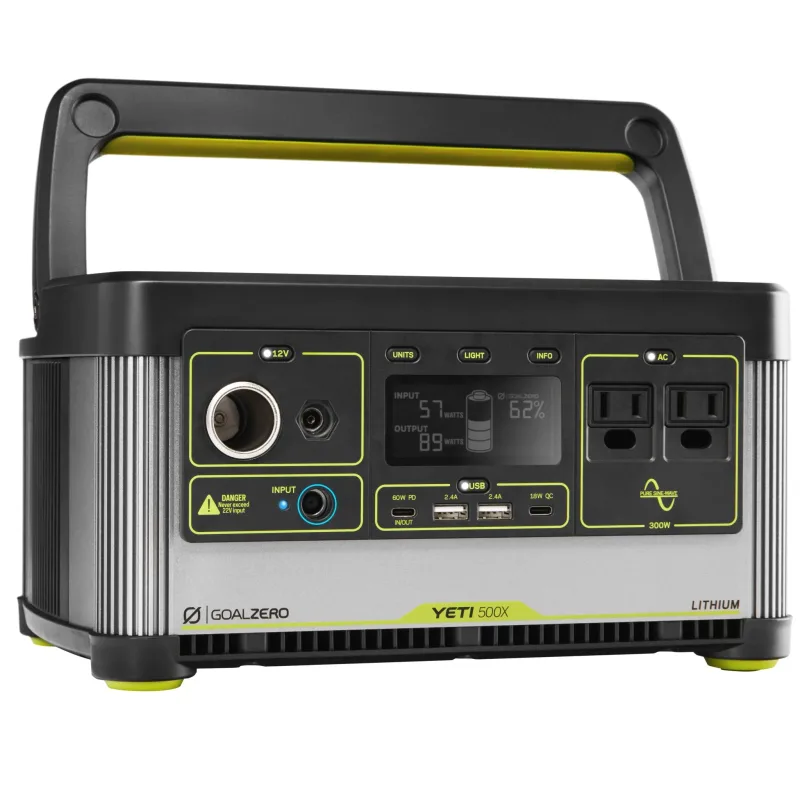
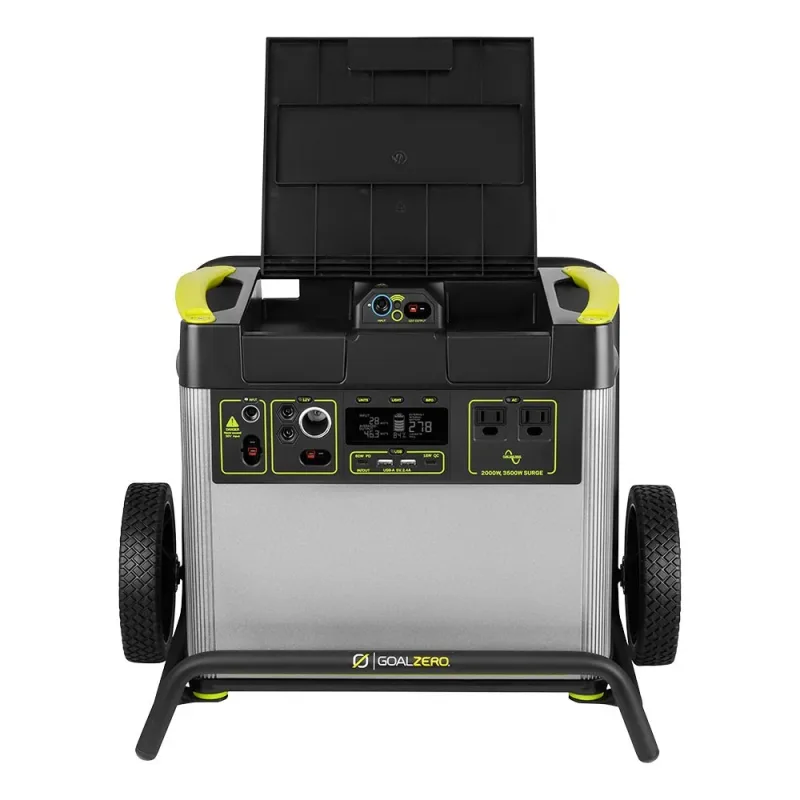
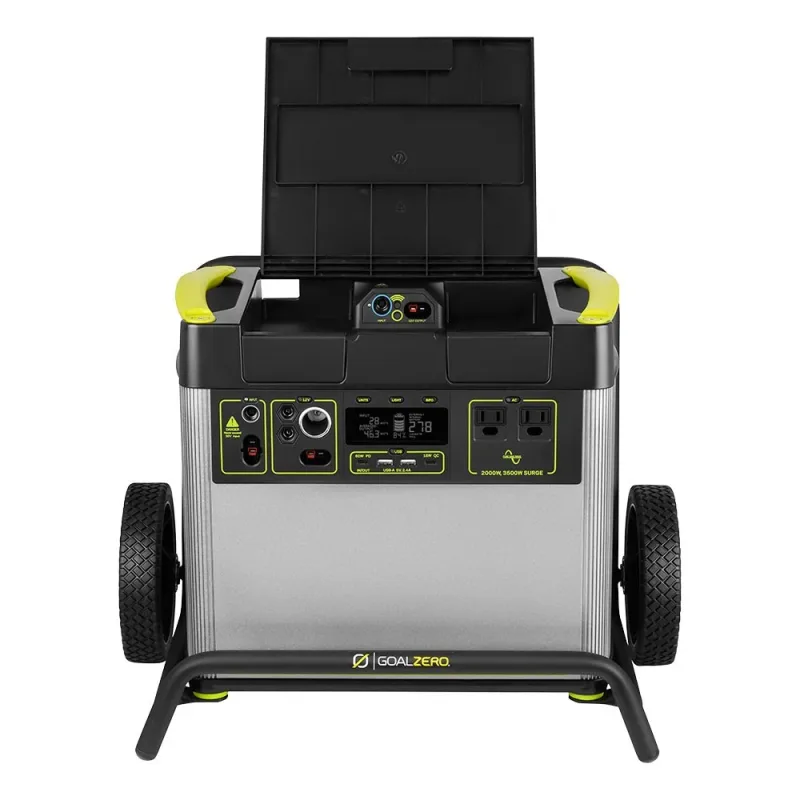
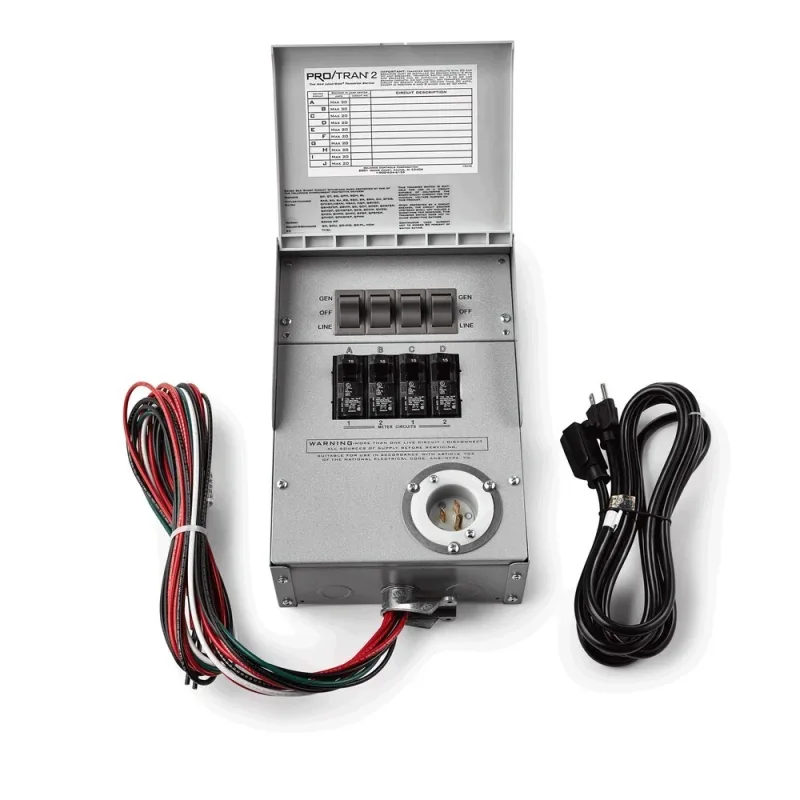
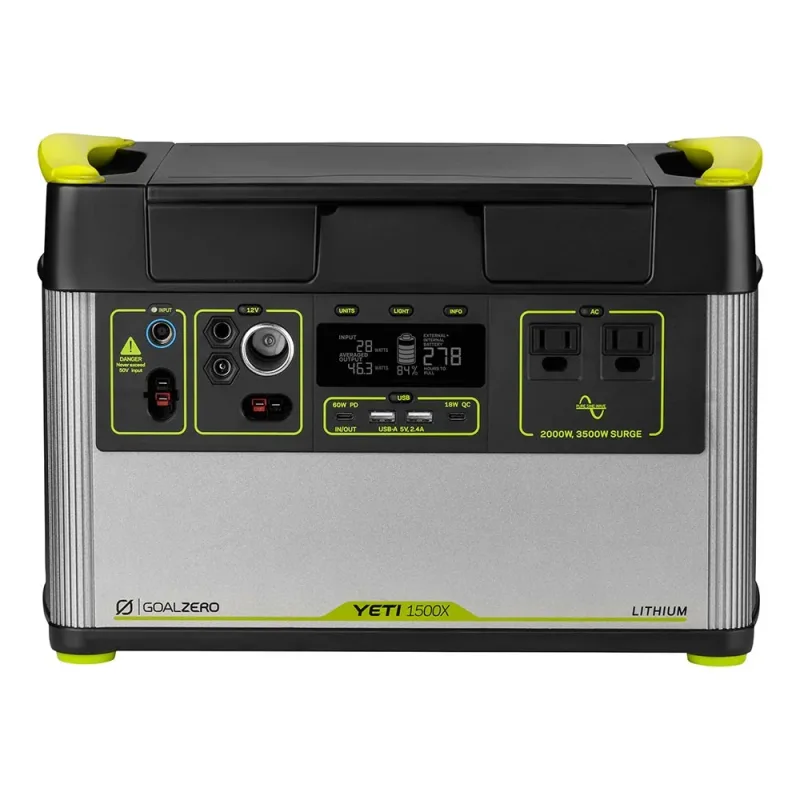
The Yeti line is the heart of the system. Smaller units like the Yeti 150 and Yeti 400 are great for lights, laptops, and phones, while mid-size stations such as the Yeti 500X handle longer weekends and small devices with ease. If you need serious capacity, the Yeti 3000X and Yeti 6000X can power larger appliances and even run a home circuit through a transfer switch.
Sizing Your Setup
The most common mistake is mismatching a panel to a station. A simple rule: match the panel's rated output to the station's recommended solar input so you recharge in a reasonable amount of time without over-paneling.
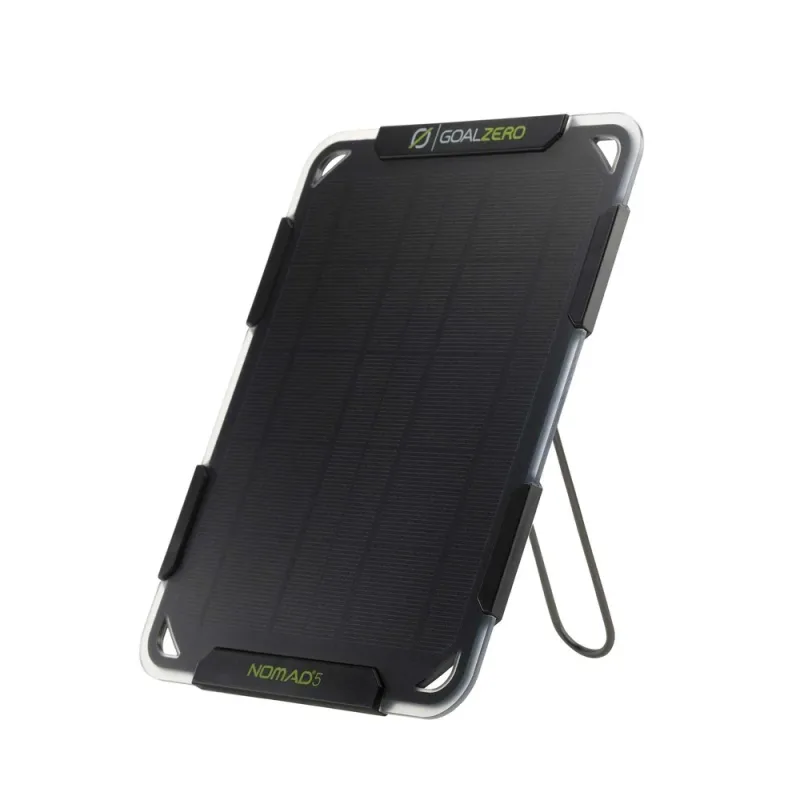
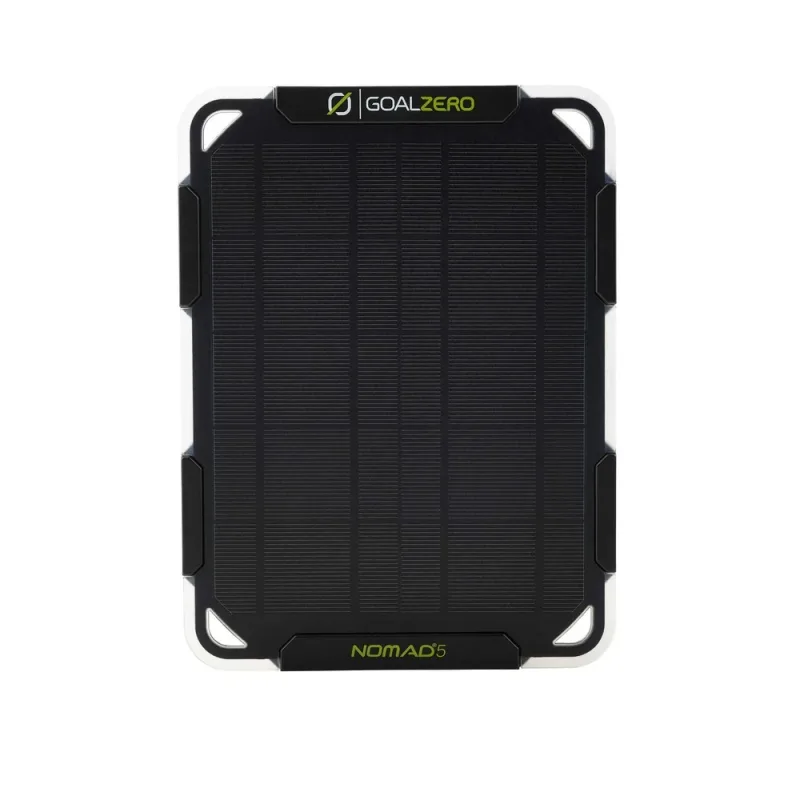
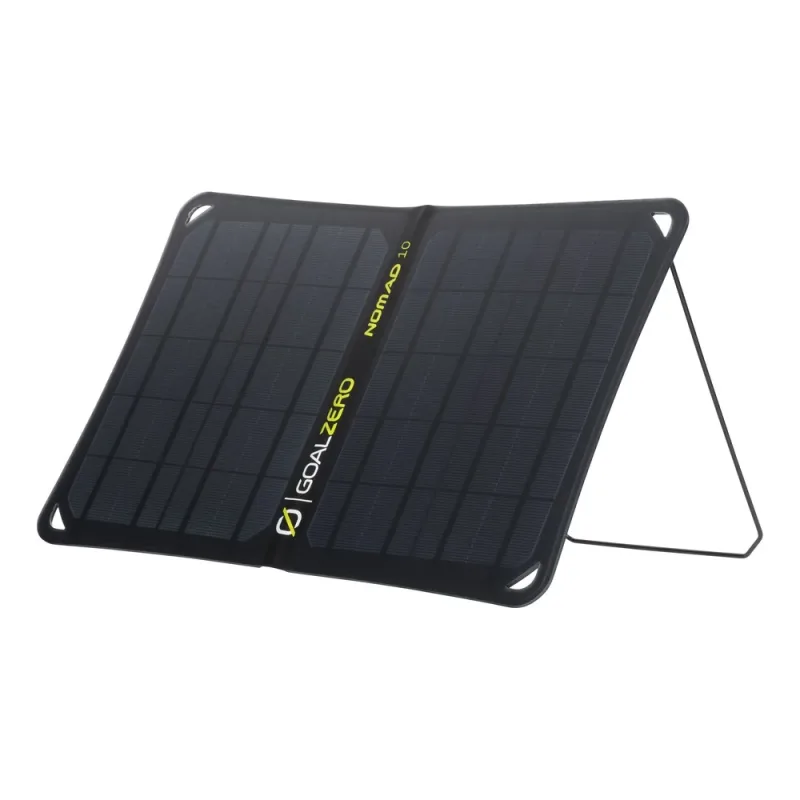
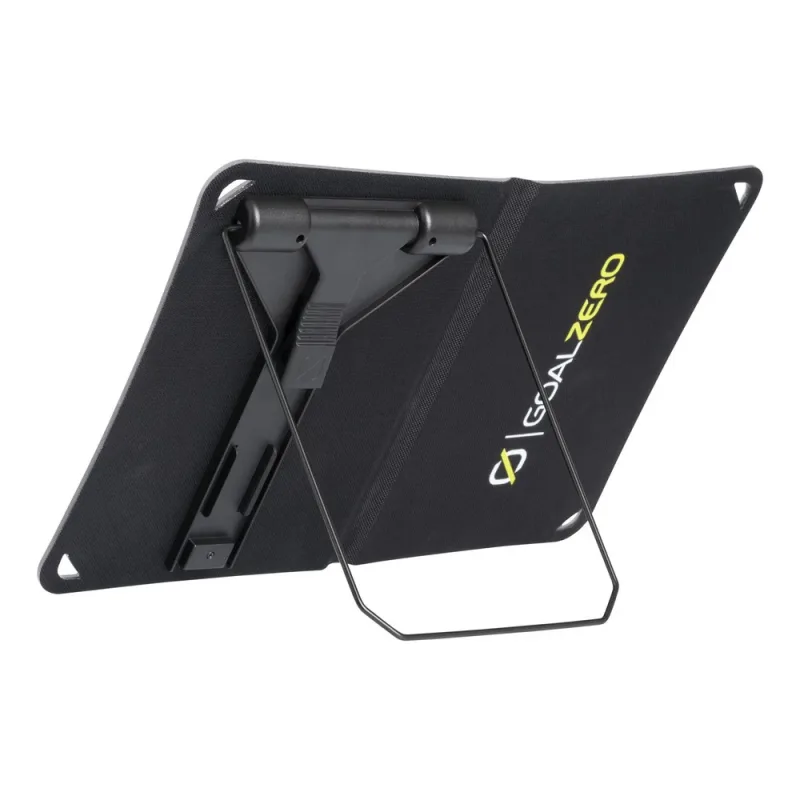
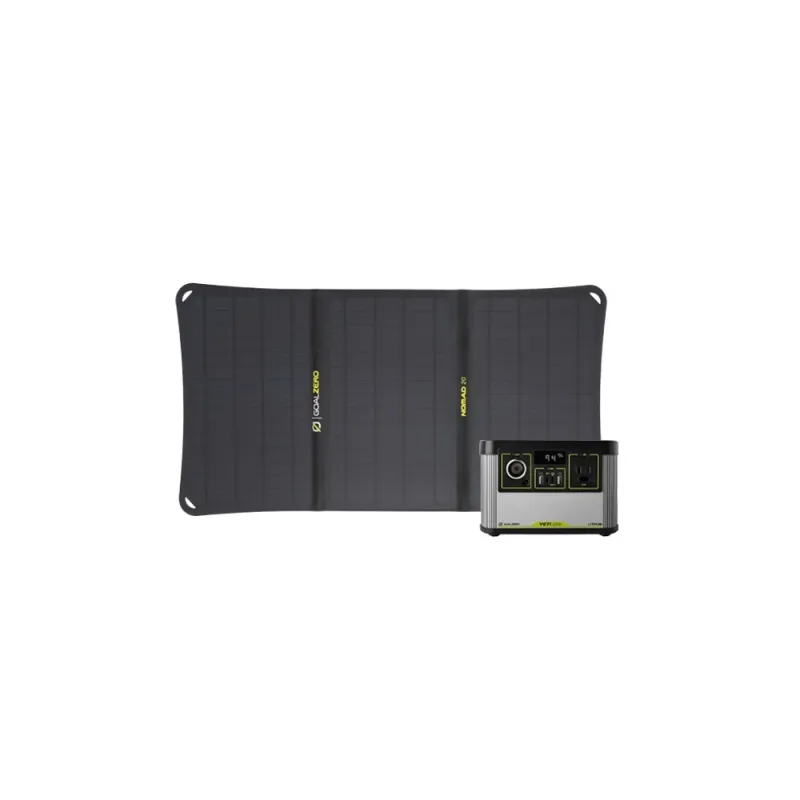
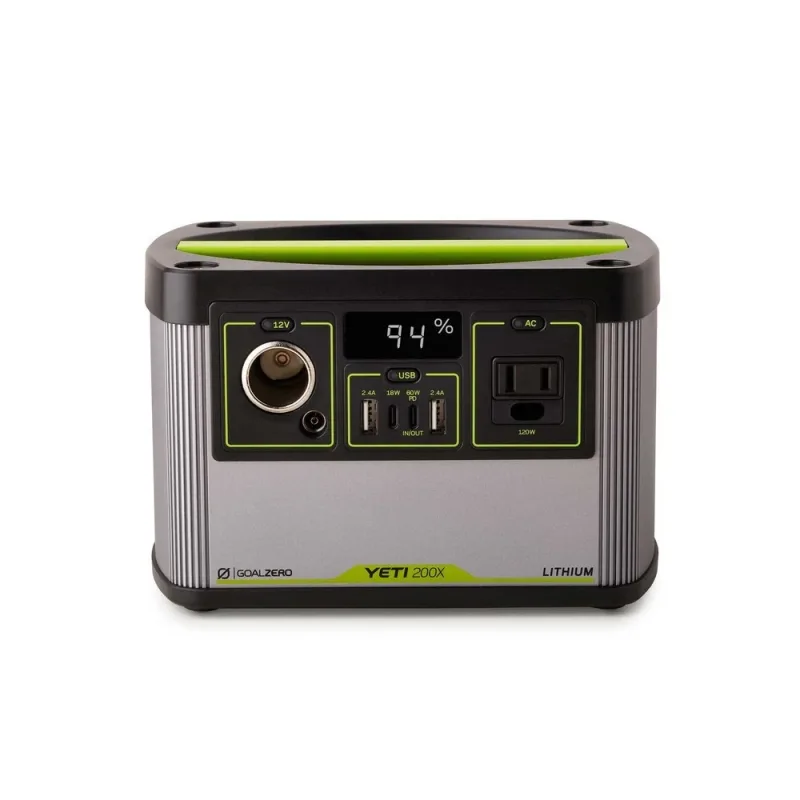
- Small and portable: The Nomad 5 and Nomad 10 are ideal for topping up power banks and phones on the move. The Yeti 200X + Nomad 20 Solar Generator bundle is a tidy starter kit.
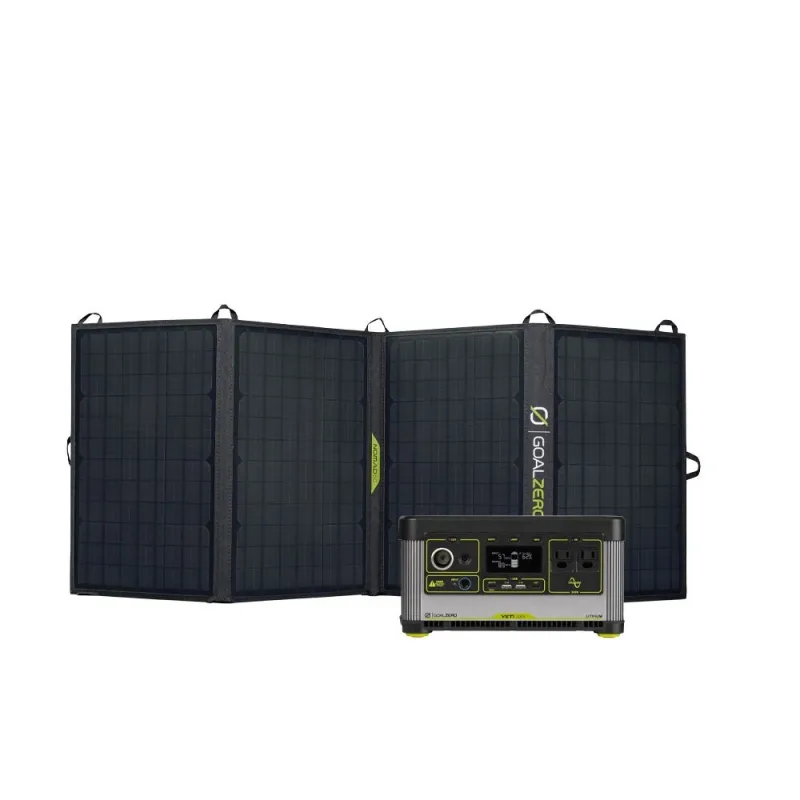
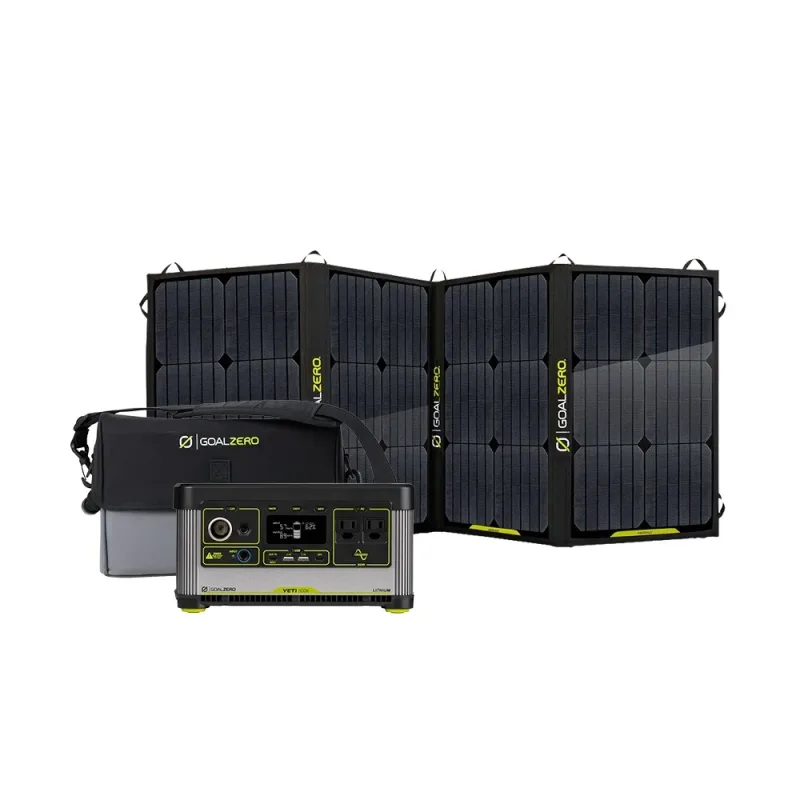
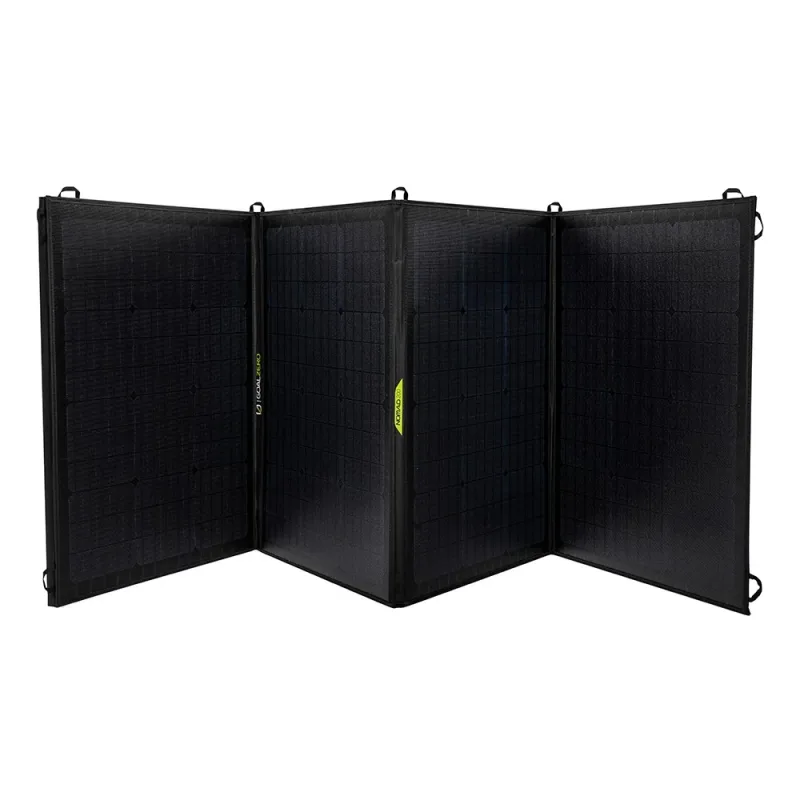
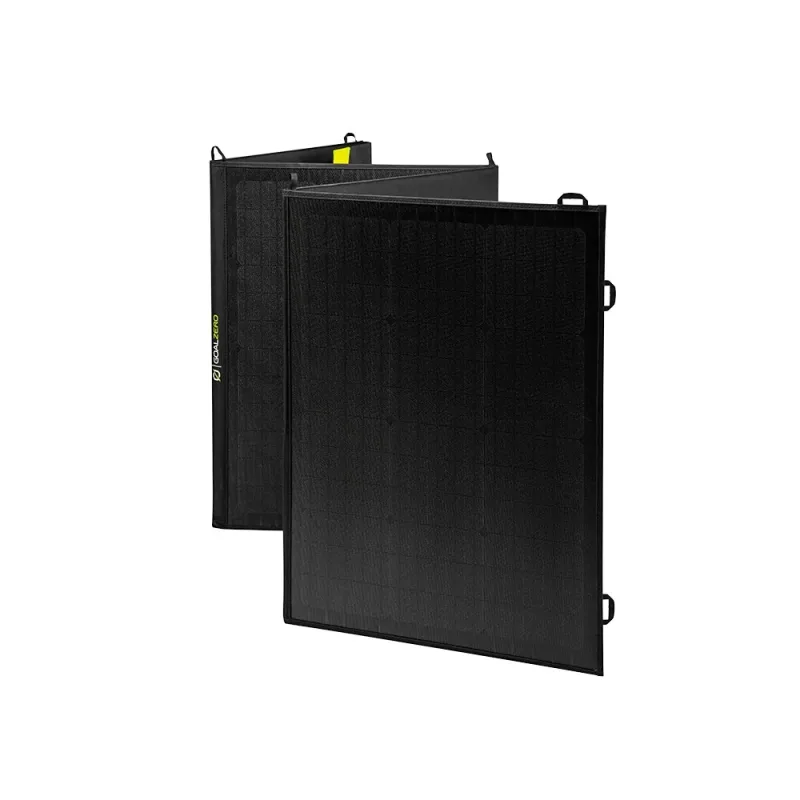
- Mid-range: Pair a Yeti 500X + Nomad 50 Solar Generator for weekend trips, or step up to the Yeti 500X + Nomad 100 Solar Generator for faster recharge times.
- Large and stationary: The Nomad 200 is built for bigger stations and longer solar days.
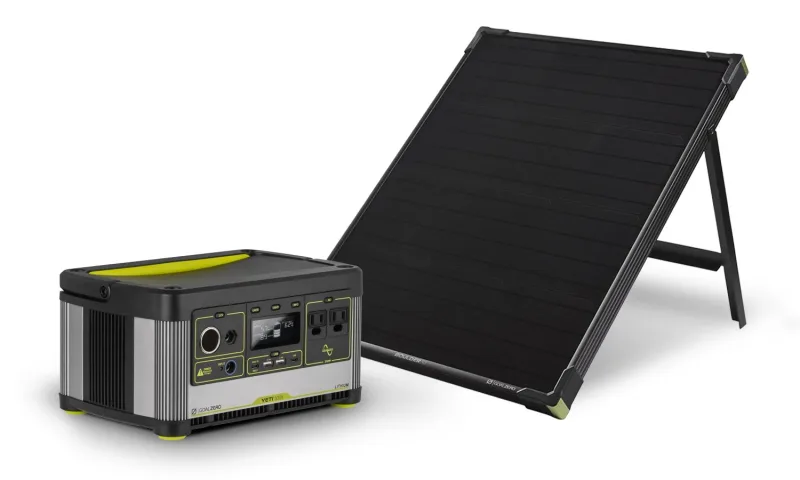
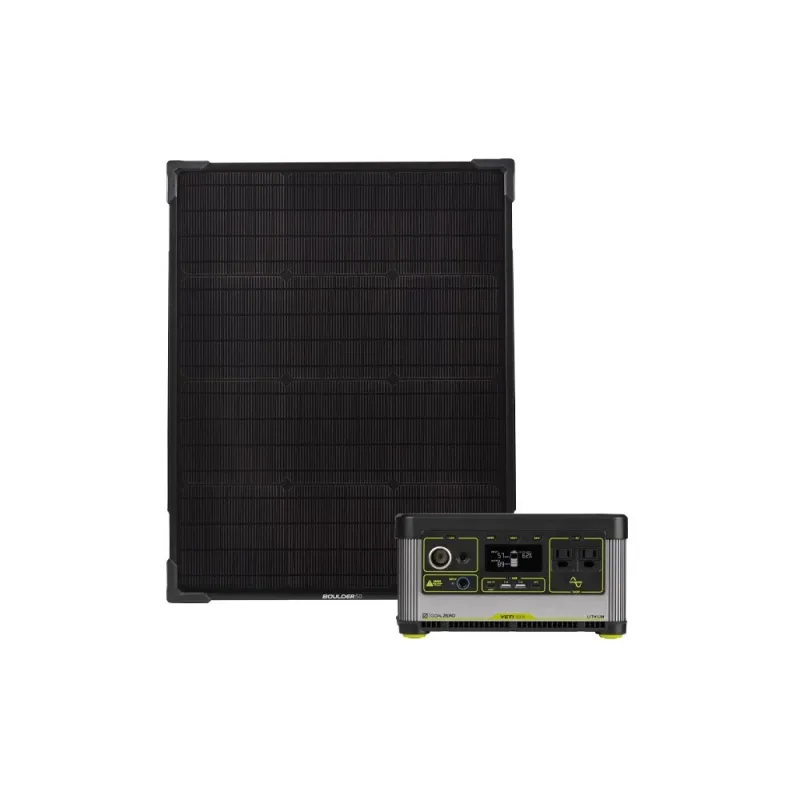
If you prefer a folding panel with a different form factor, the Yeti 500X + Boulder 50 Solar Generator pairs a rugged Boulder panel with the same dependable Yeti station.
Expanding Capacity Over Time
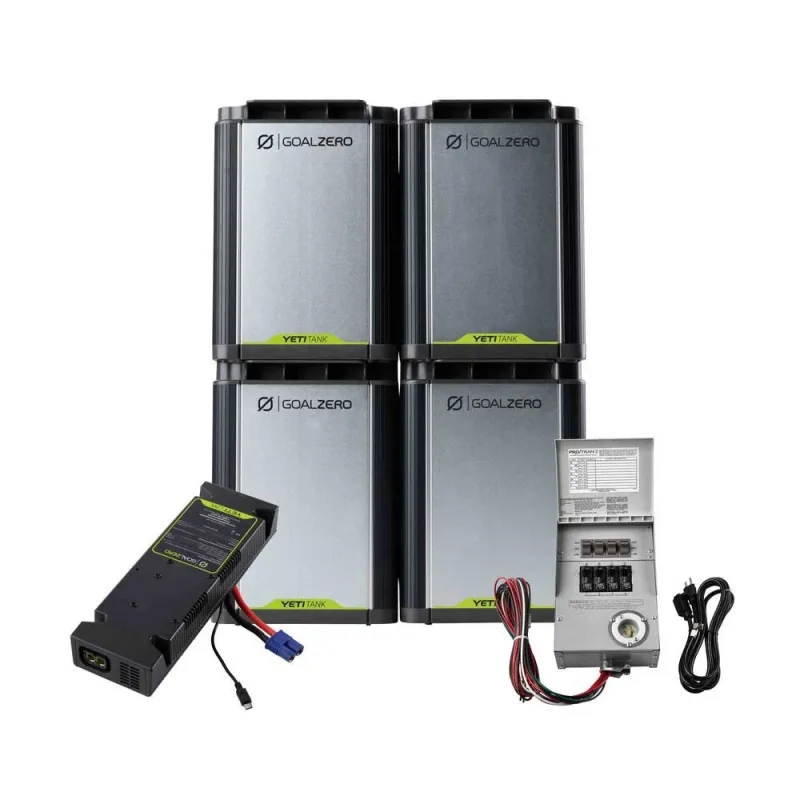
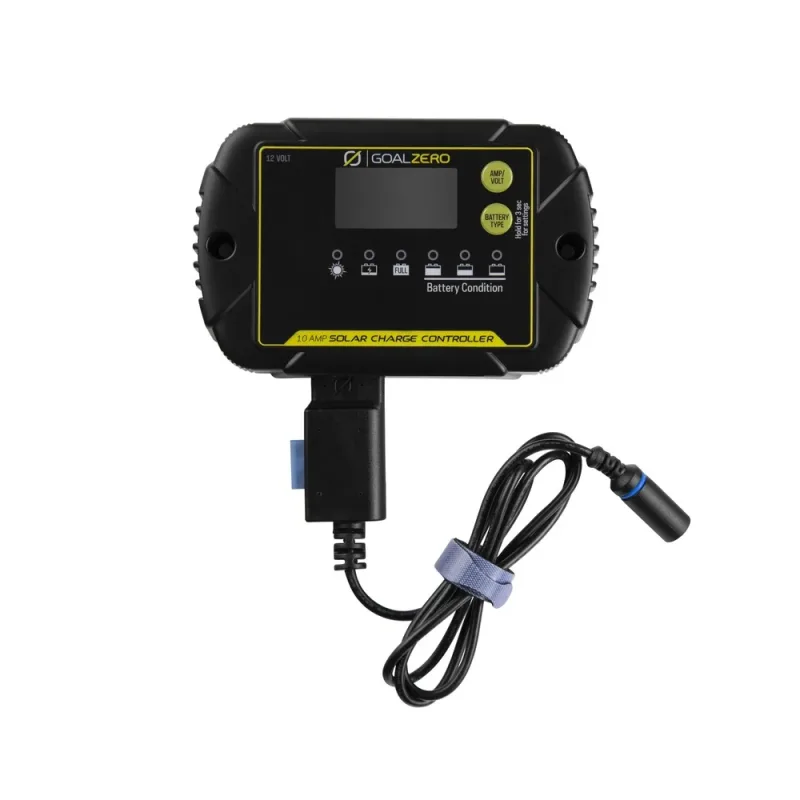
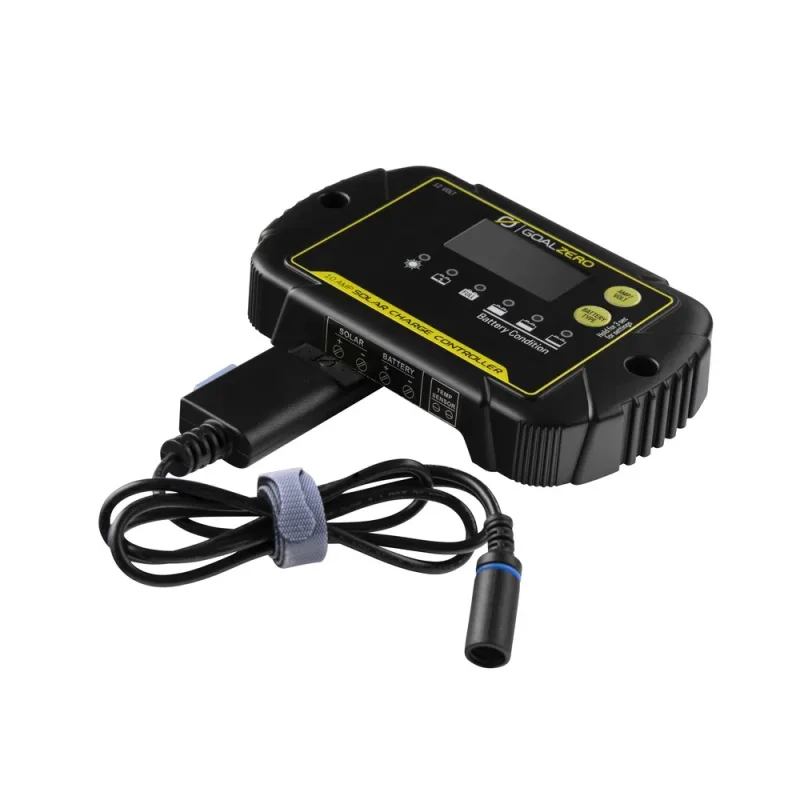
One of the best things about the Yeti ecosystem is that you do not have to buy your final system on day one. You can add capacity later with expansion modules and integration kits. The 4800Wh Yeti Expansion Kit with HIK is a straightforward way to add a large battery bank to a compatible station, and the 10-Amp Charge Controller helps you manage charging when you are using third-party panels.
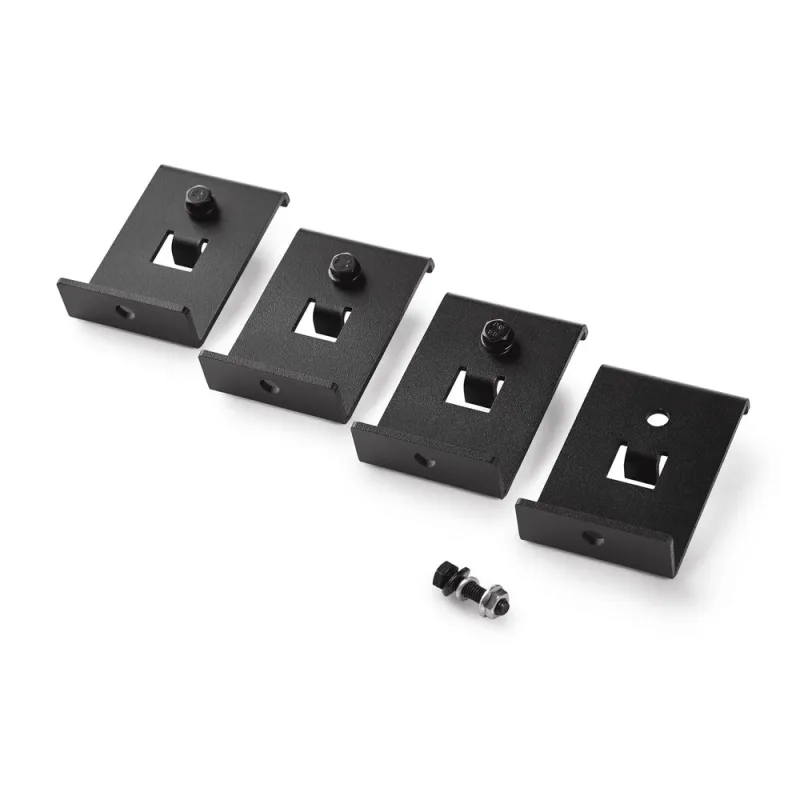
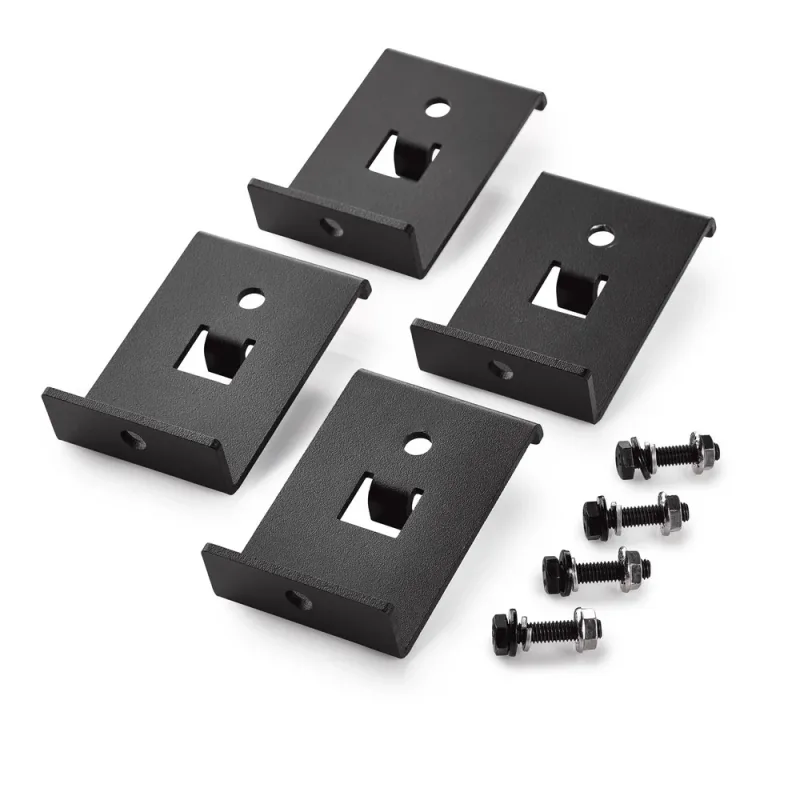
For vehicle-based setups, a Vehicle Integration Kit lets you charge while you drive, and HPP+ cables connect panels and stations safely. Mounting hardware matters too: the Boulder Mounting Brackets (4 Pack) make it easy to secure panels to a roof rack or trailer.
Home Backup Essentials
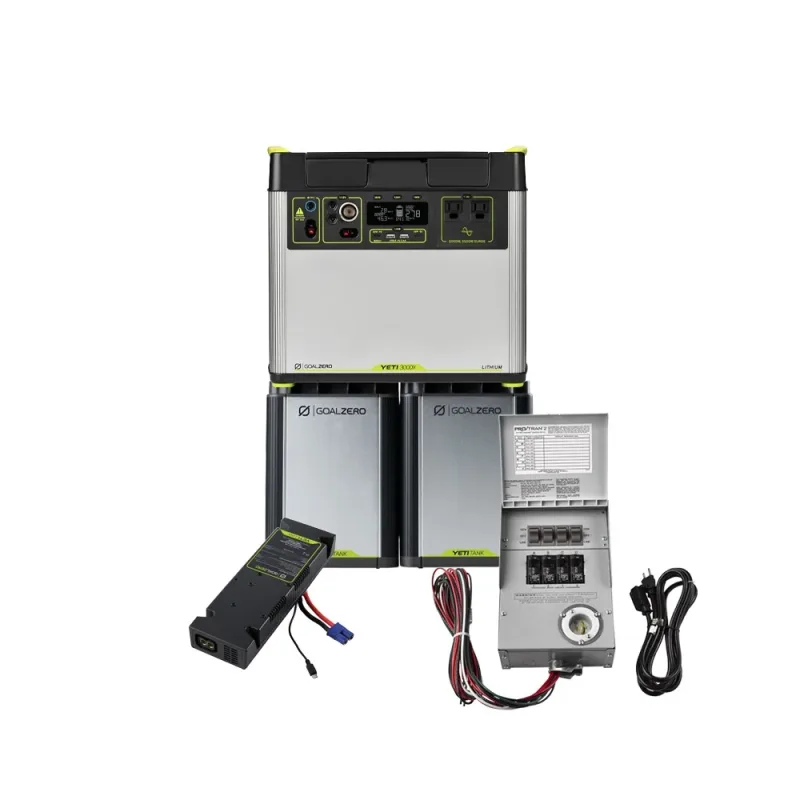
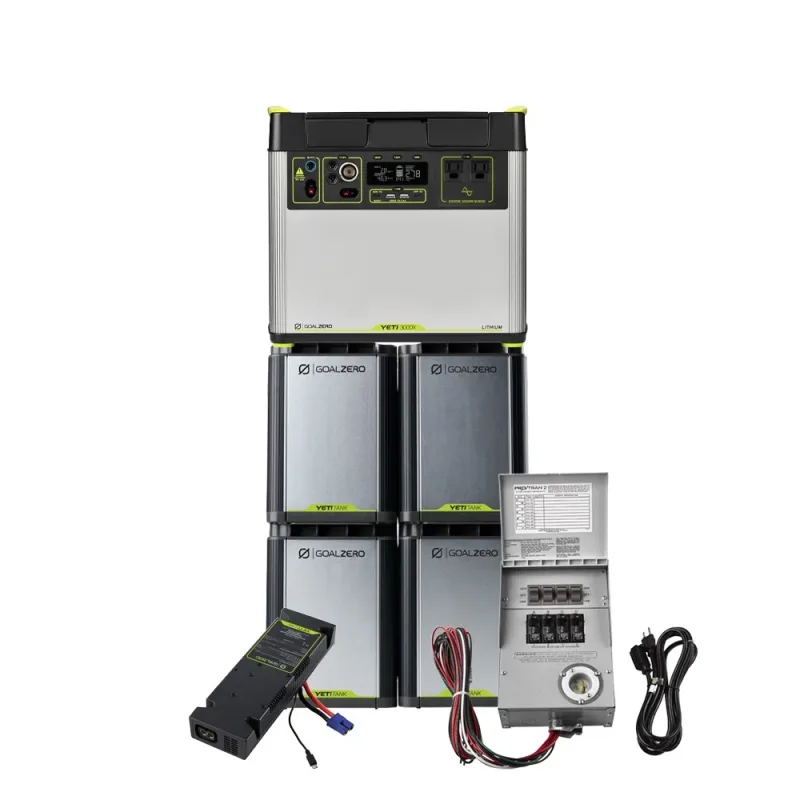
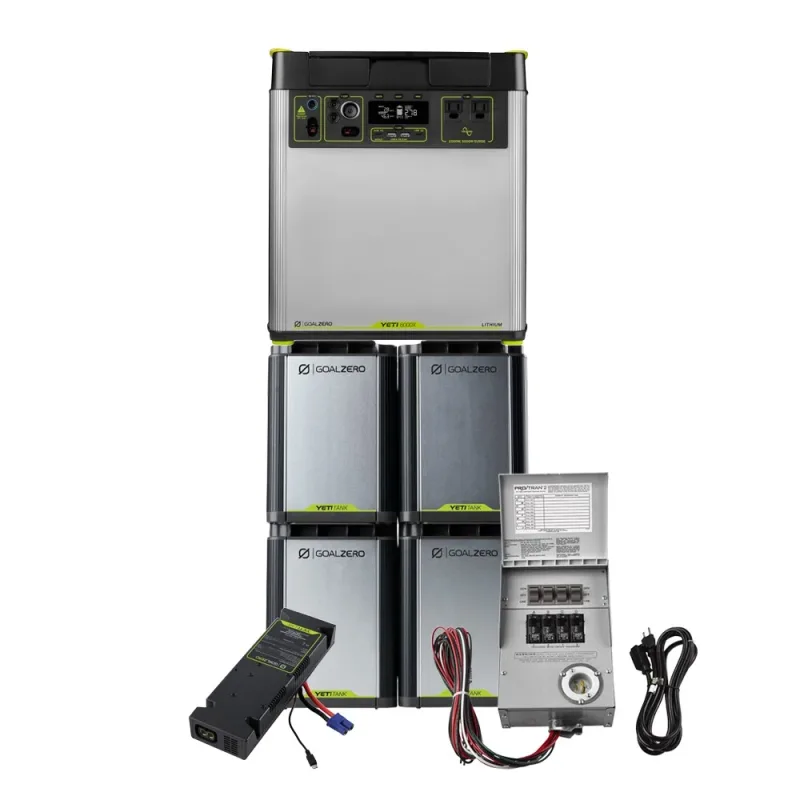
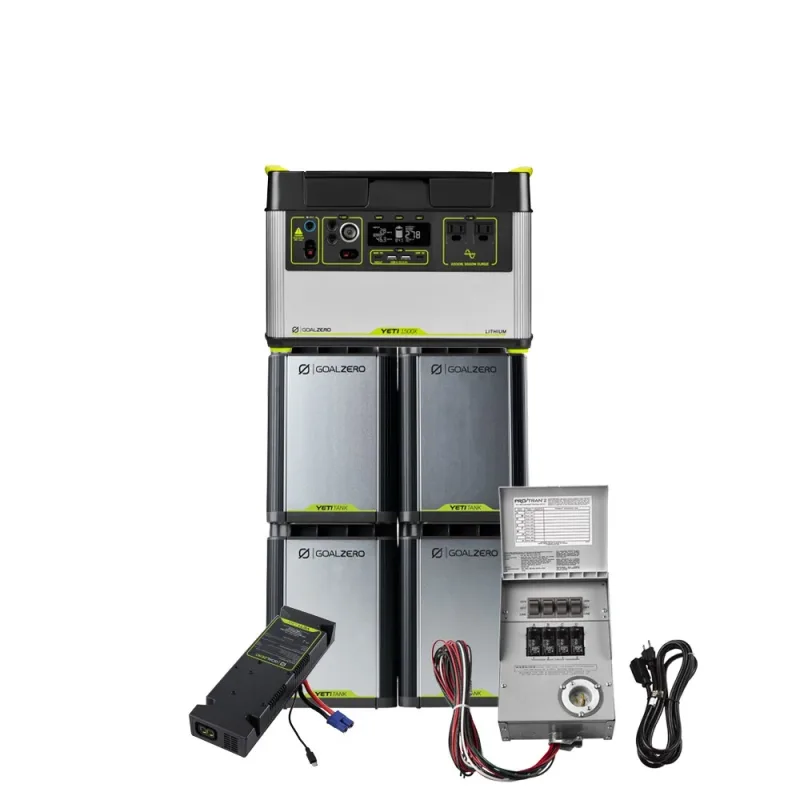
For whole-home or critical-circuit backup, Goal Zero offers pre-configured Home Backup Systems in several capacities. The 5400Wh Home Backup System covers essential circuits like a fridge, lights, and internet, while the 7800Wh Home Backup System and 10800Wh Home Backup System scale up for larger homes or longer outages. The 6300Wh Home Backup System sits neatly in the middle of the range.
If you want a smaller, room-by-room approach, the BioLite Range 400 is a compact option for keeping a few essentials running. Whichever size you choose, plan your critical loads first, then size the battery to cover them for the duration you care about.
Portable Lighting and Accessories
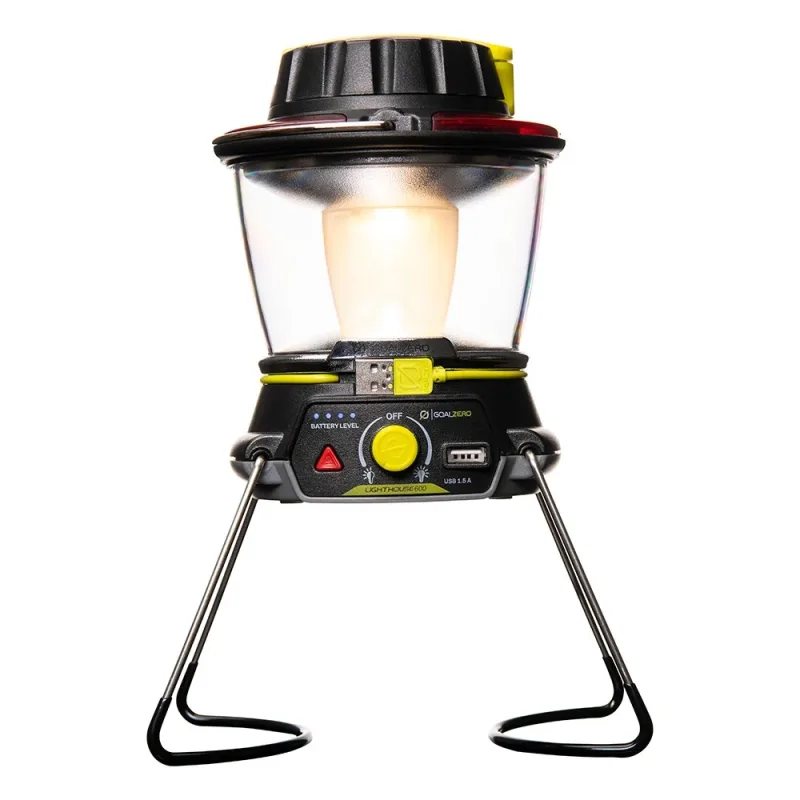
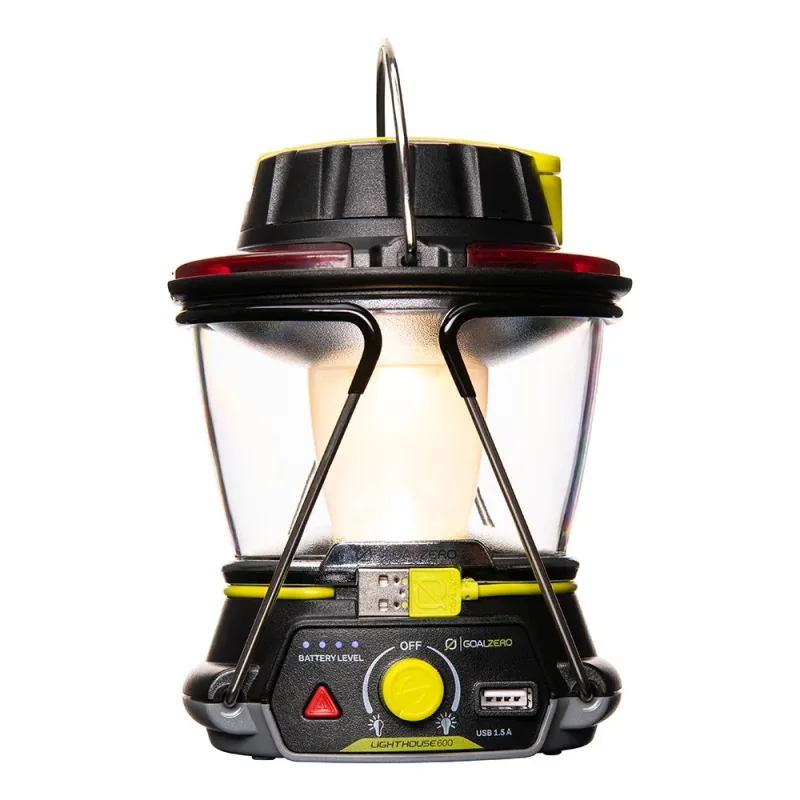
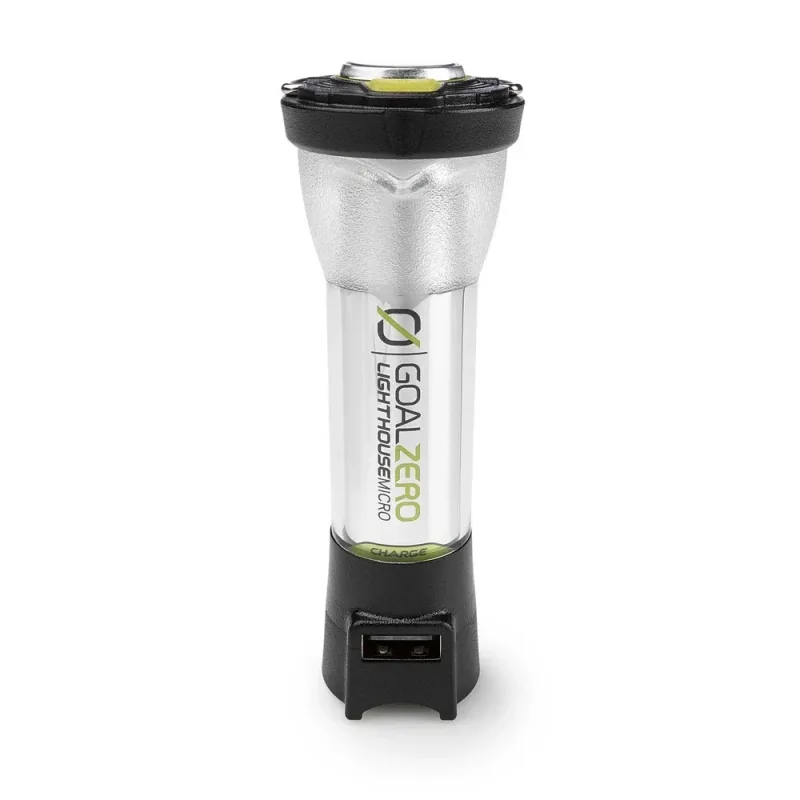
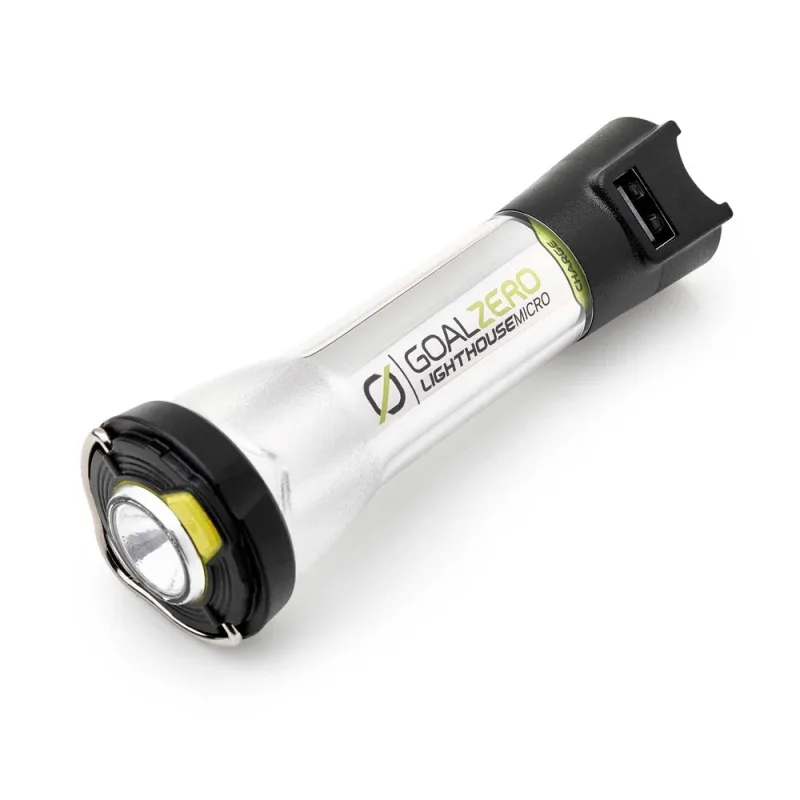
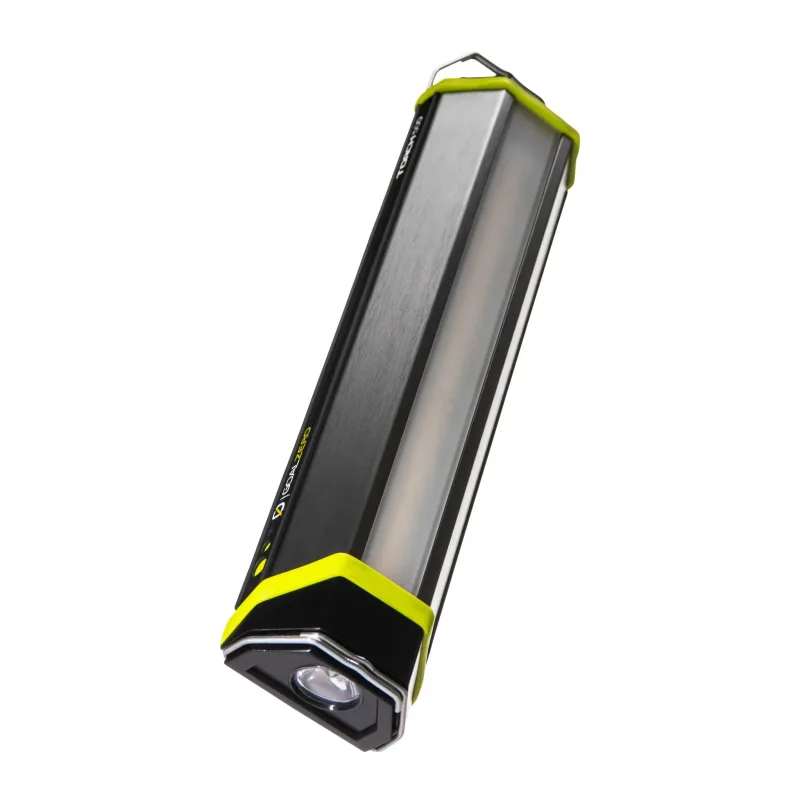
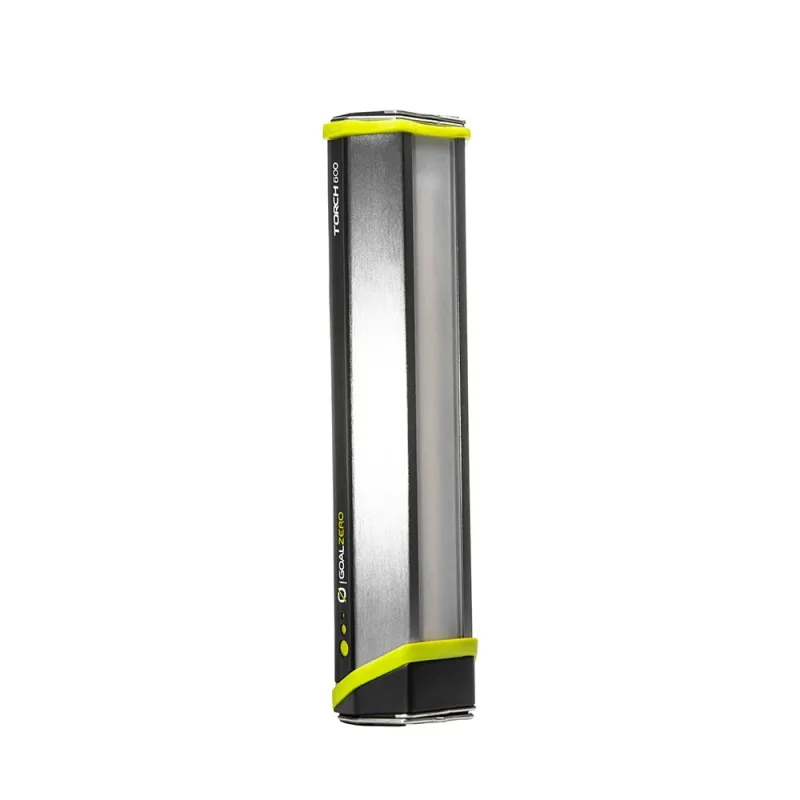
Lighting is often the first thing people reach for when the grid goes down. The Lighthouse 600 Lantern & USB Power Hub doubles as a lantern and a charging hub, while the Lighthouse Micro Charge USB Rechargeable Lantern clips easily to a tent or backpack. For a focused beam, the Torch 500 Multi-Purpose Light is a versatile pick.
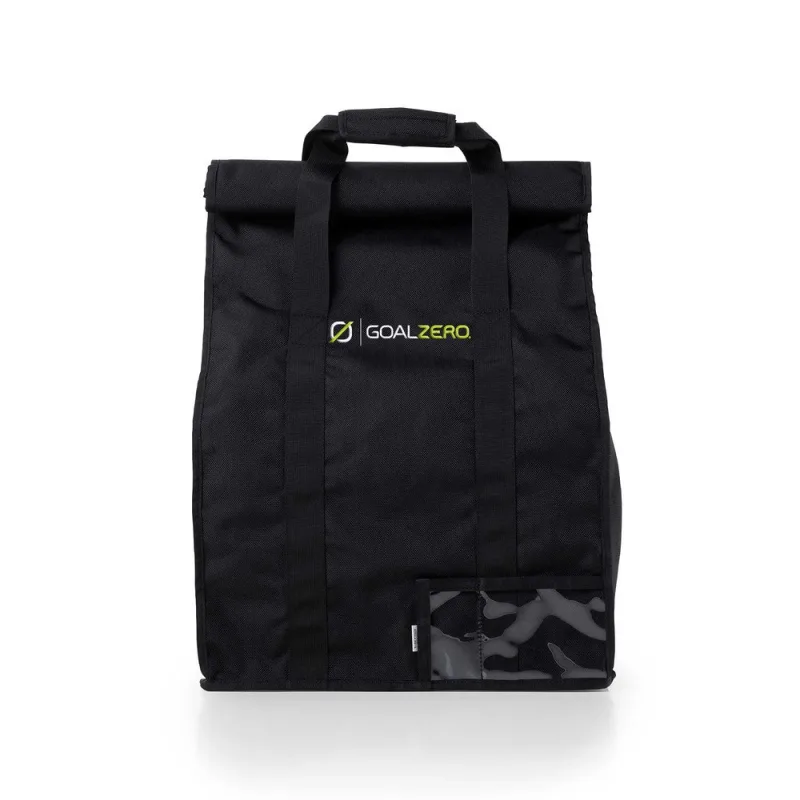
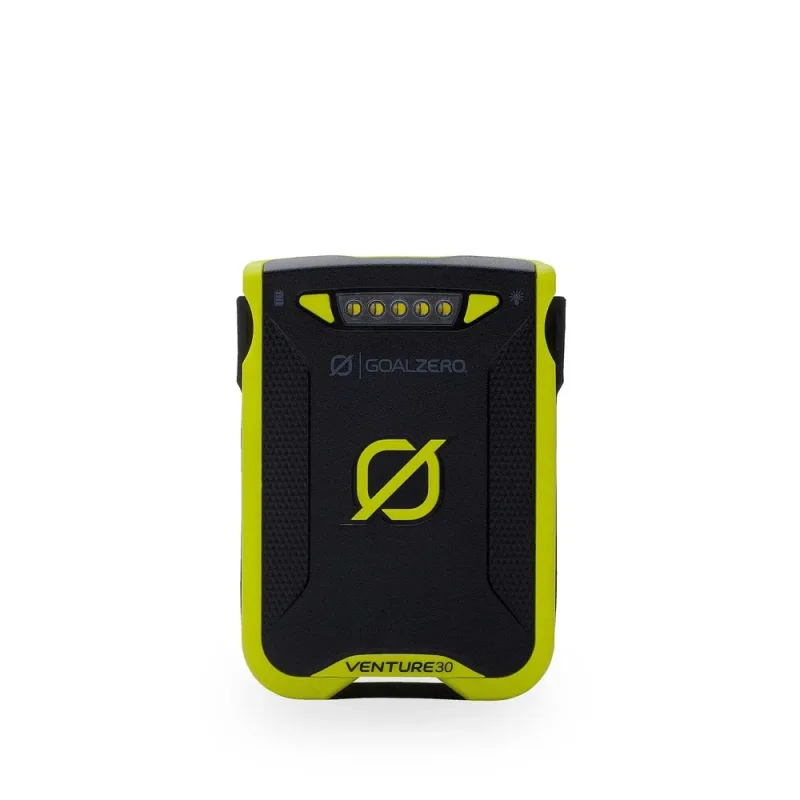
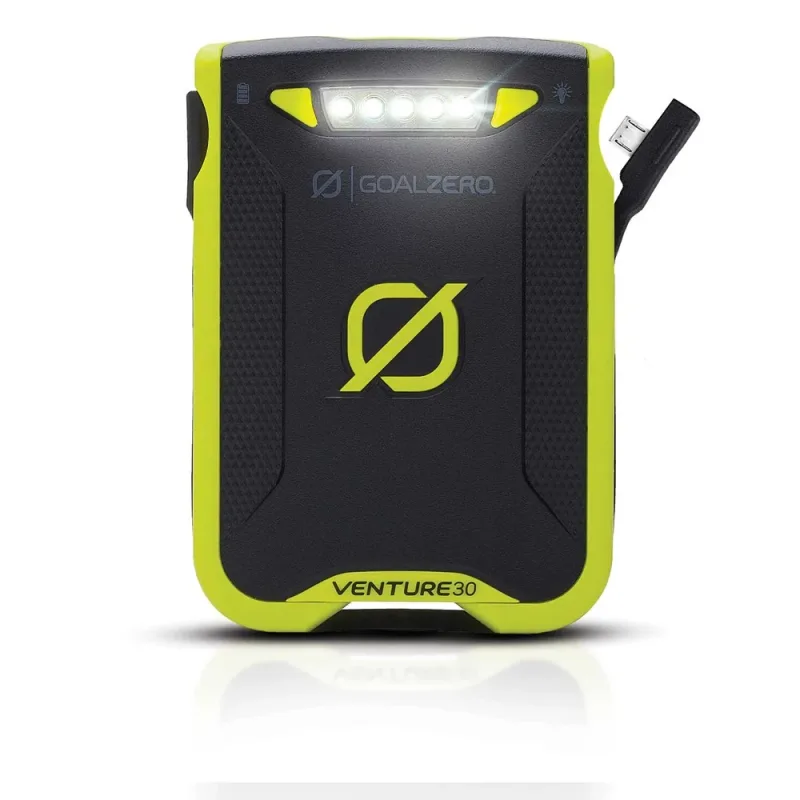
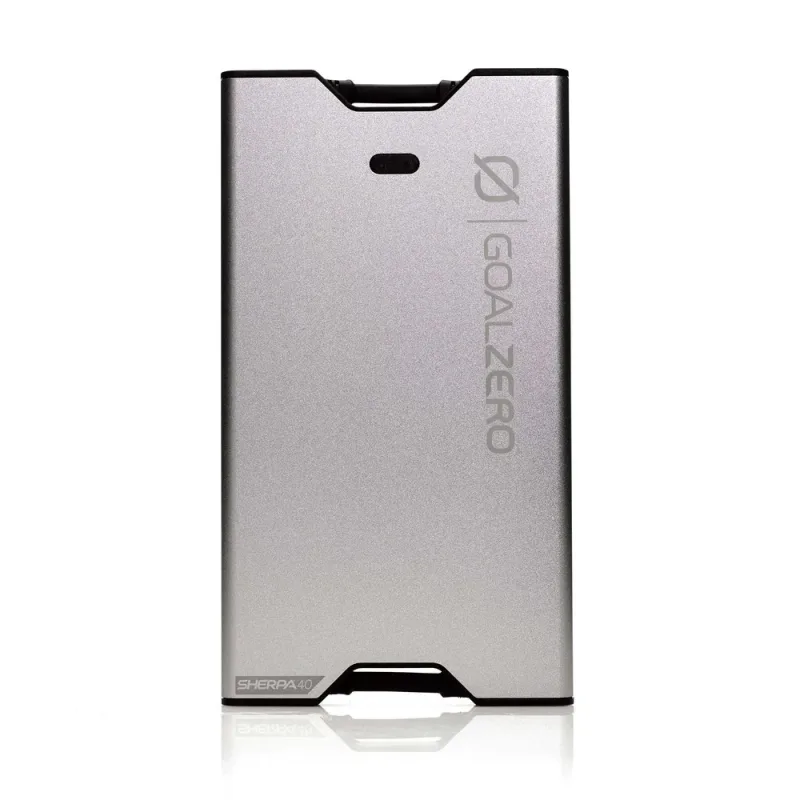
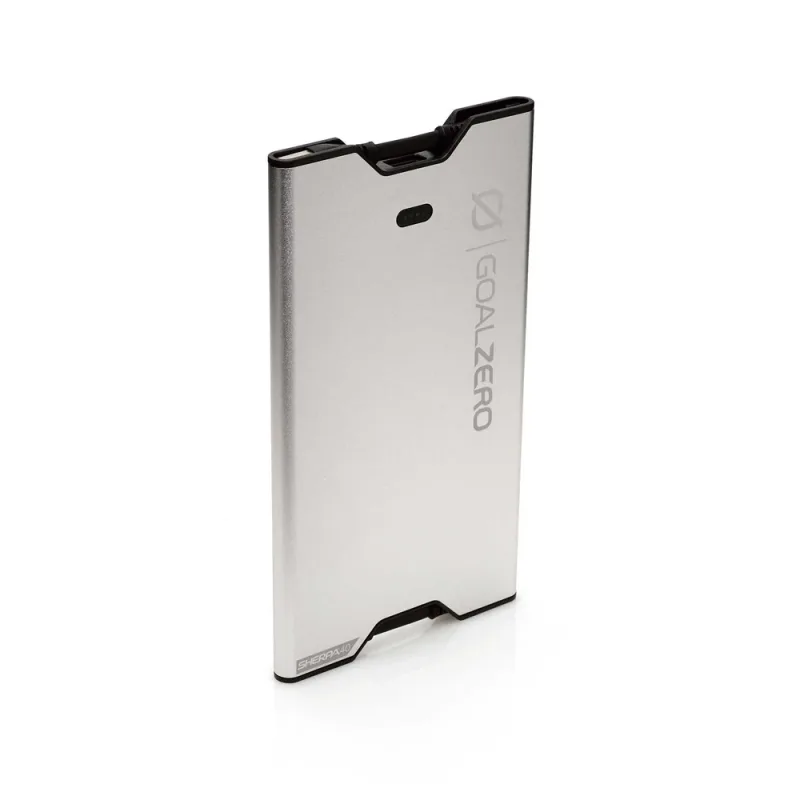
Do not overlook the small stuff. The Three Pack USB to Lightning 4-Inch Cable keeps short charging runs tidy, and a Yeti Faraday Case protects your station from electromagnetic pulses and rough storage. Power banks like the Venture 30 Power Bank and Sherpa 40 Power Bank are perfect for keeping your phone topped up away from the main station.
Putting It All Together
Start by listing what you need to power and for how long, then choose a Yeti station that covers that load. Add a Nomad or Boulder panel sized to recharge it in a day of good sun, and pick up expansion modules or home backup components as your needs grow. With a little planning, a Goal Zero system can serve as a dependable backup at home and a capable companion off the grid.