Portable Power Stations vs. Gas Generators for Home Backup
When the grid goes down, the first question most households ask is simple: how do we keep the fridge, the router, and a few lights running? Gas generators have long been the default answer, but a portable power station paired with a solar generator setup solves several problems gas units create. There is no fuel to store, no exhaust to vent, no pull cord to fight, and no annual maintenance ritual of oil changes and carburetor cleaning. A battery-based system also runs silently, which matters if you live in an apartment, a condo, or a neighborhood with quiet hours.
The trade-off is capacity. A gas generator can run for days on a single can of fuel, while a battery system runs until the stored energy is gone. That is why solar input matters: with a panel connected, a power station can recharge during the day and keep essential loads alive indefinitely as long as the sun shows up. For most homes, the practical approach is a station sized for critical loads, plus enough solar to refill it daily.
Matching Capacity to Your Needs
Capacity is measured in watt-hours (Wh), and the right number depends on what you want to run and for how long. A phone, laptop, and LED lamp might draw 50-100W total. A full-size refrigerator cycles at roughly 100-200W average. A sump pump or furnace blower can spike higher but runs intermittently.
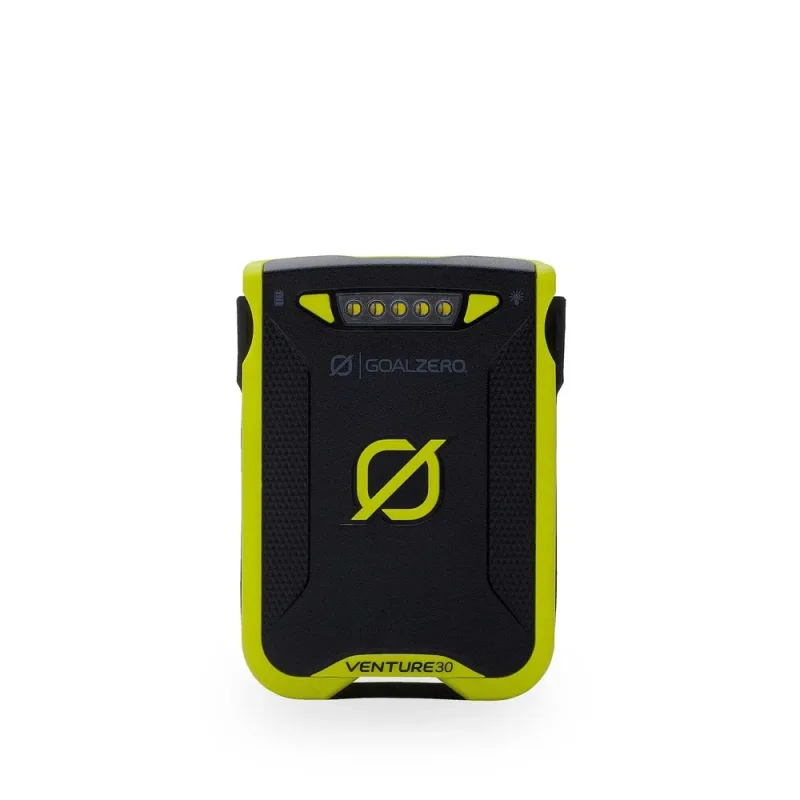
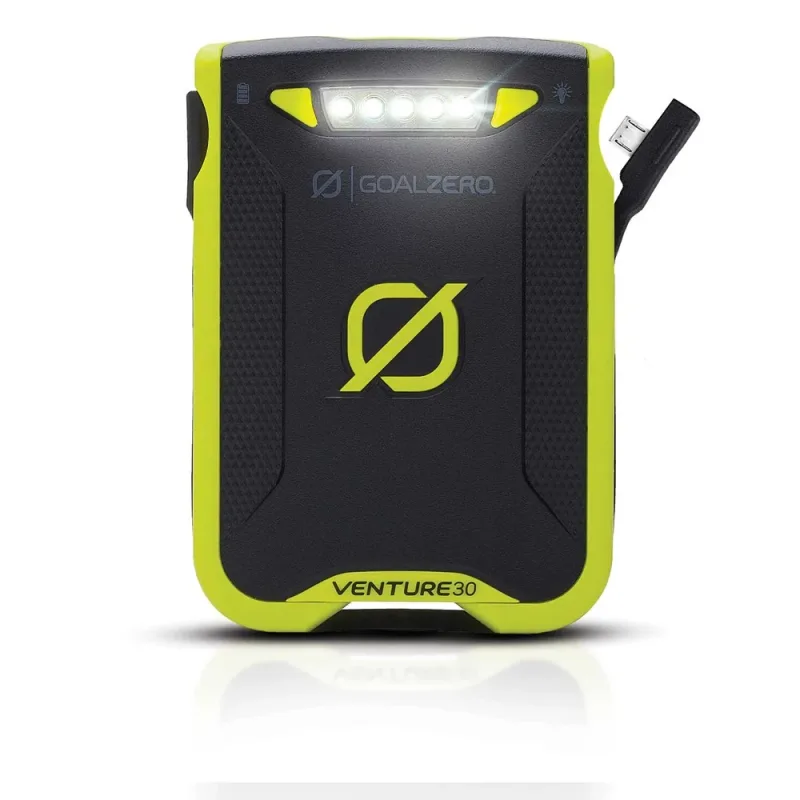
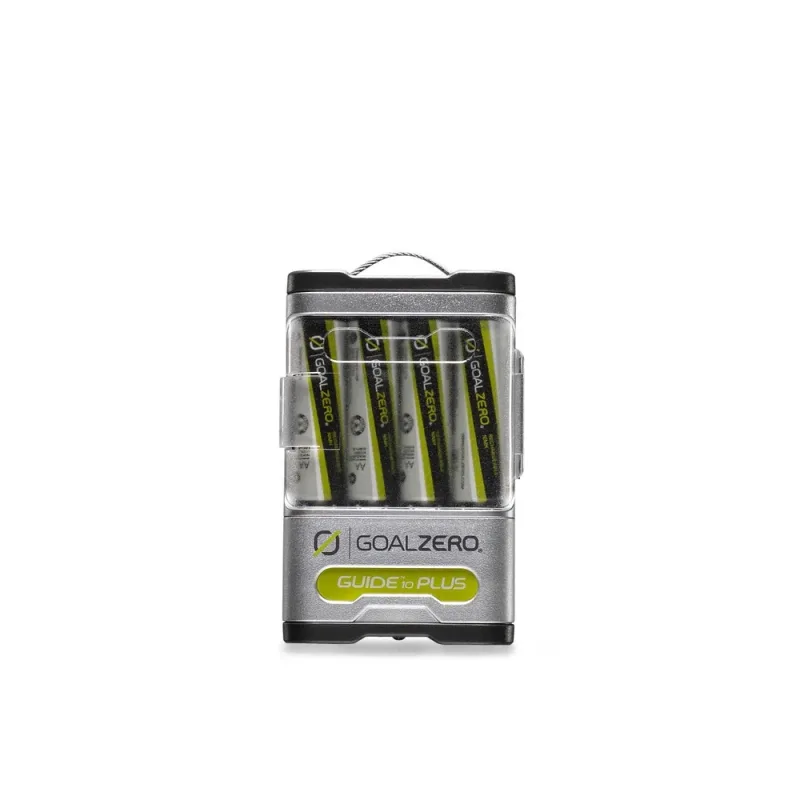
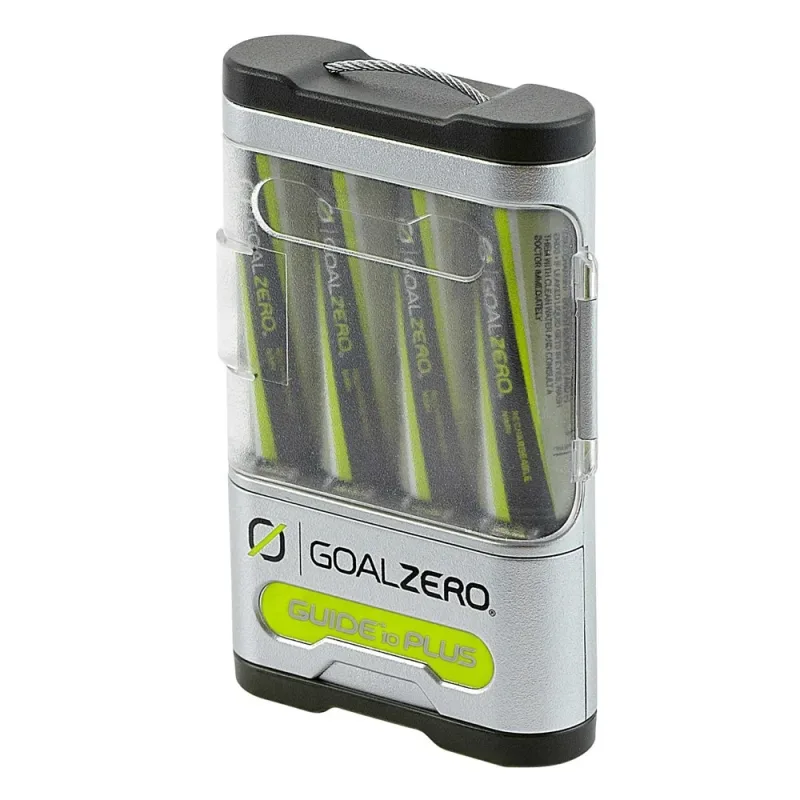
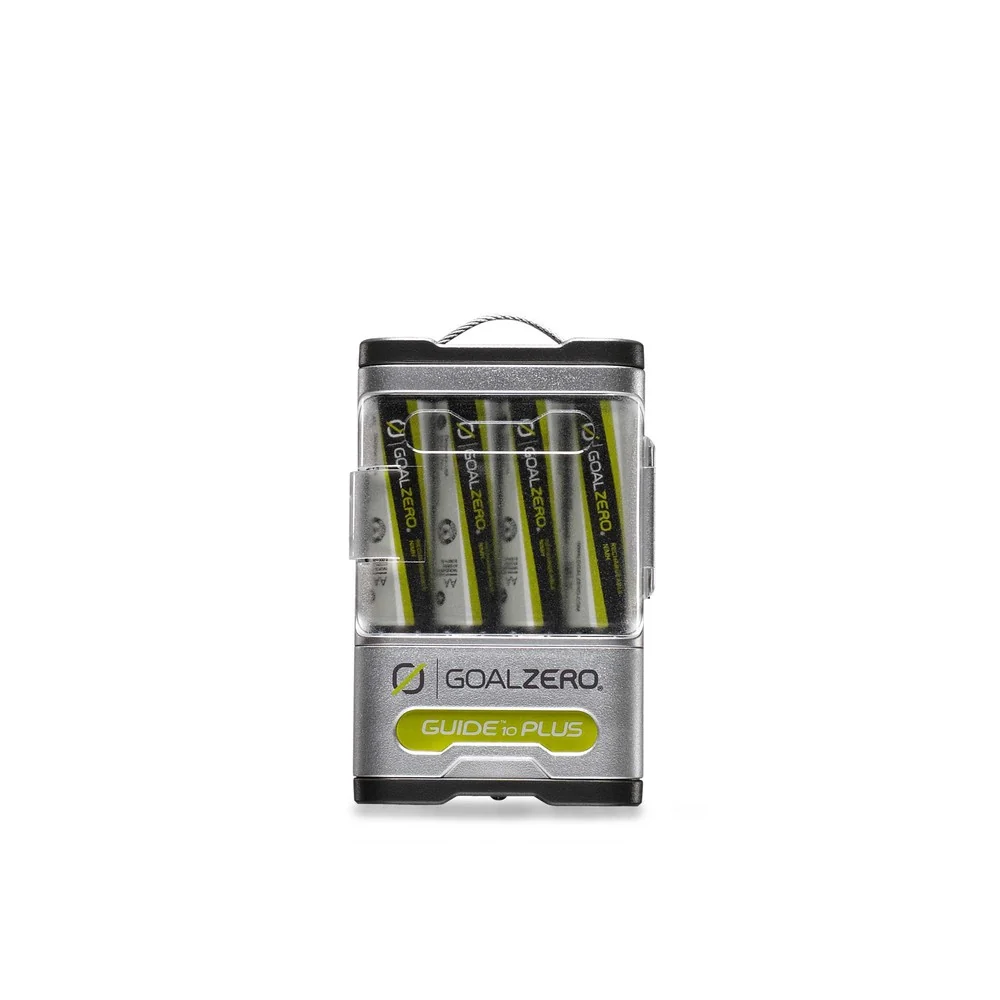
- Small essentials: Phones, tablets, lights, and a fan. Look at compact stations and power banks such as the Venture 30 Power Bank or the Guide 10 Plus Power Bank for grab-and-go charging.
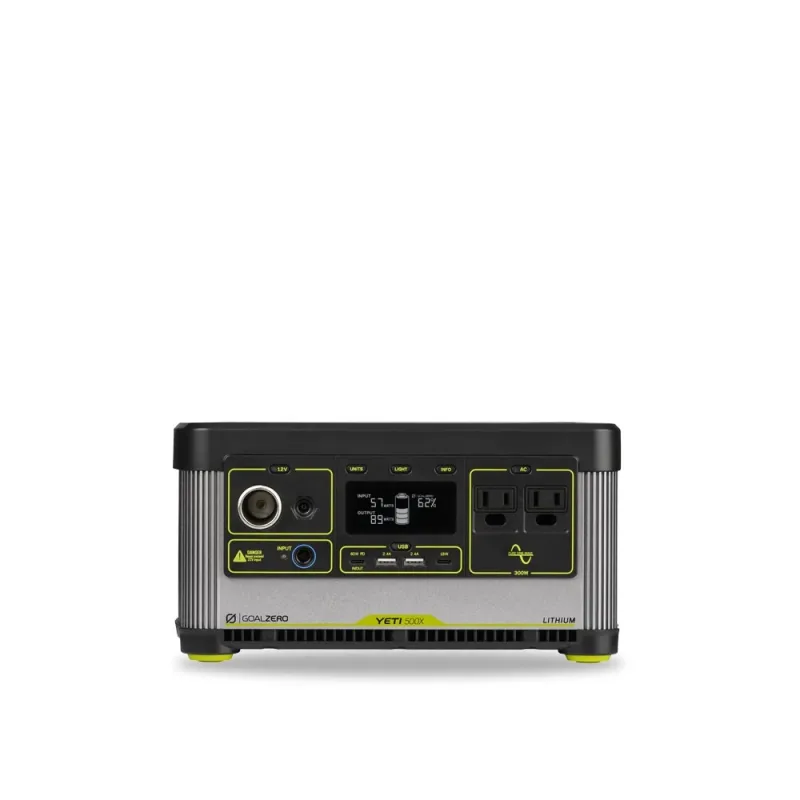
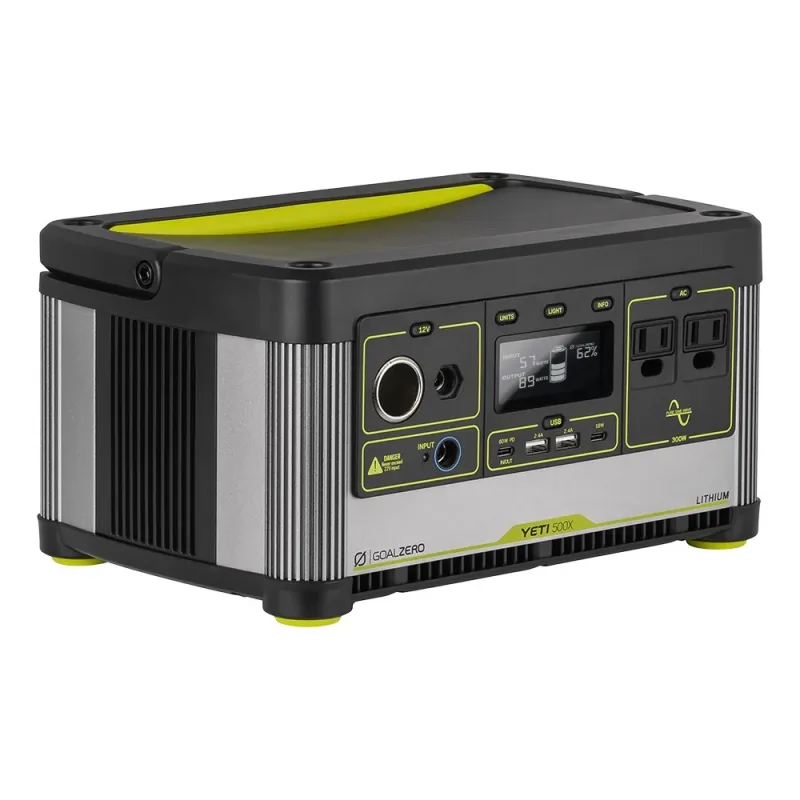
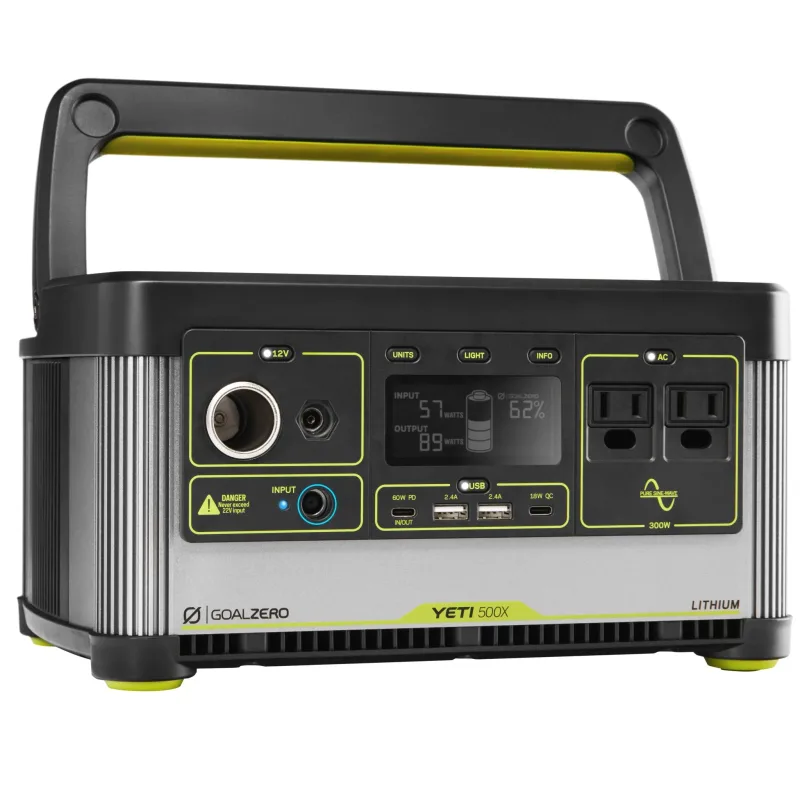
- Short outages: Router, laptop, lights, and a small fridge. A mid-size station like the Yeti 500X covers a few hours of mixed loads comfortably.
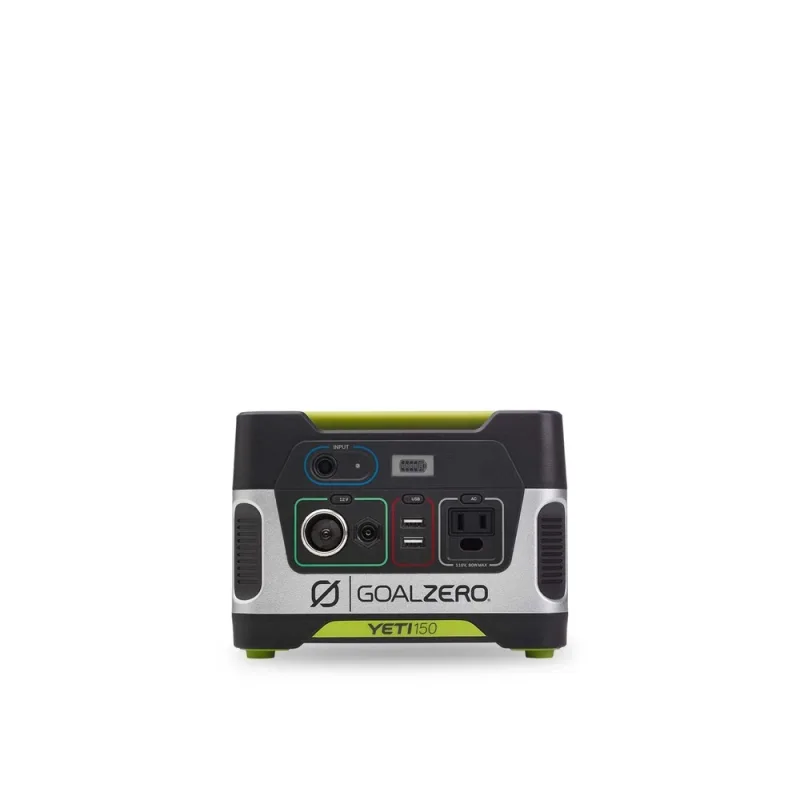
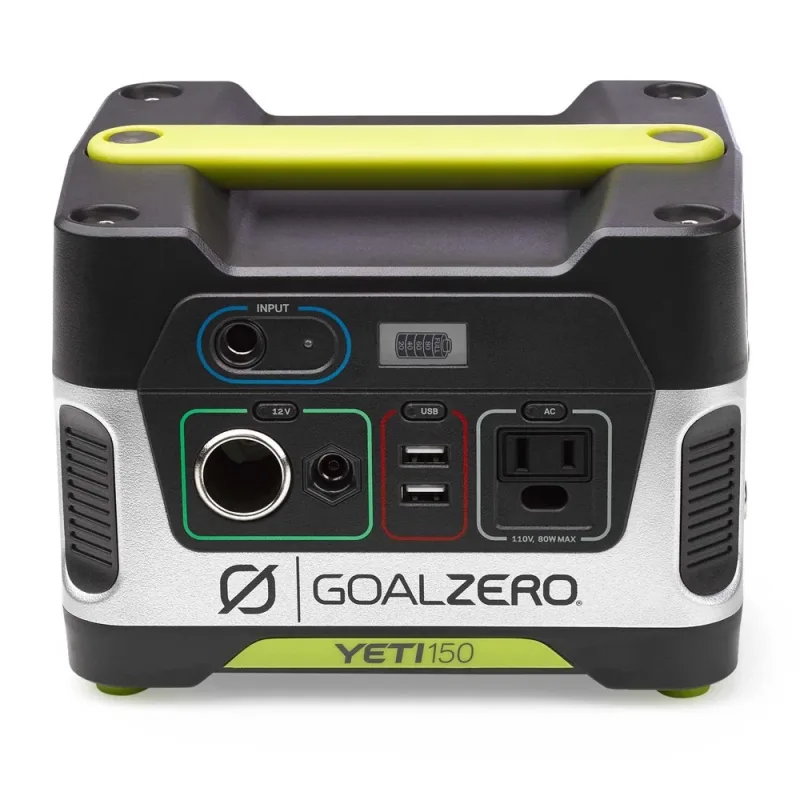
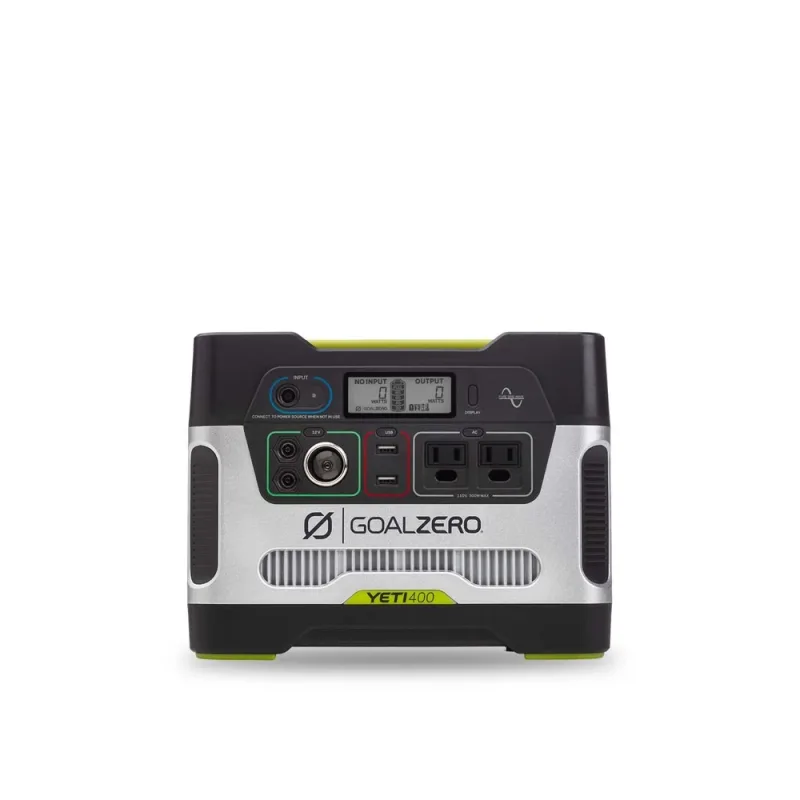
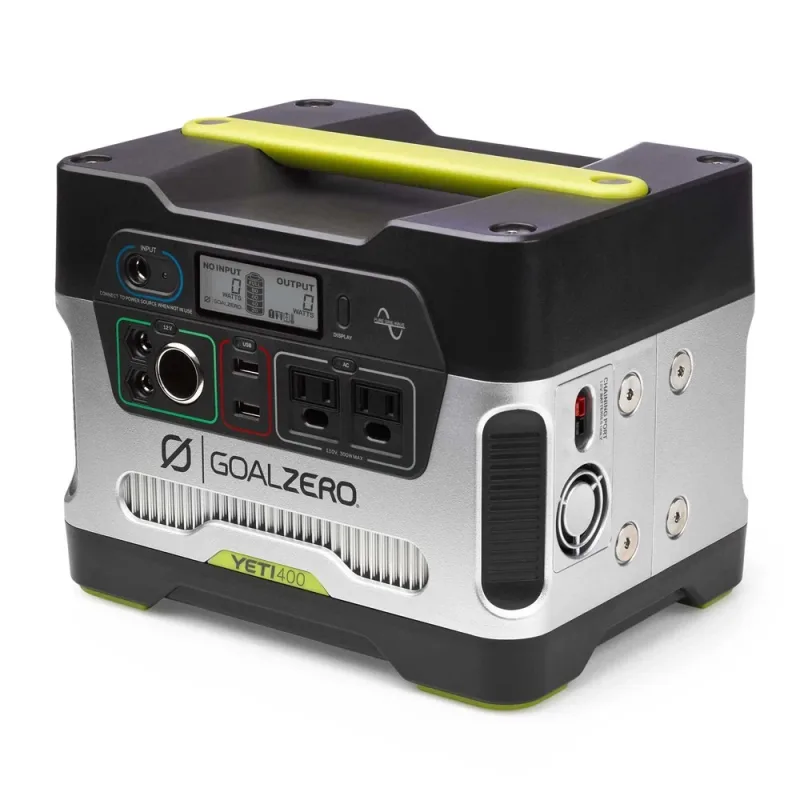
- Overnight coverage: Fridge, freezer, CPAP, and lights. Step up to the Yeti 150 or Yeti 400 for longer runtime on low-draw devices.
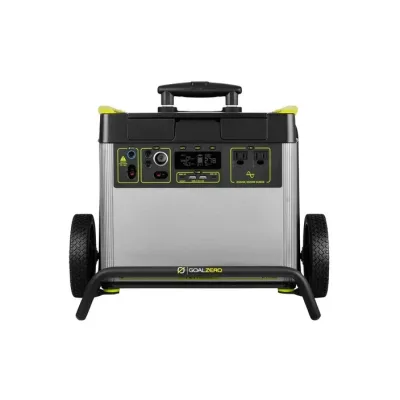
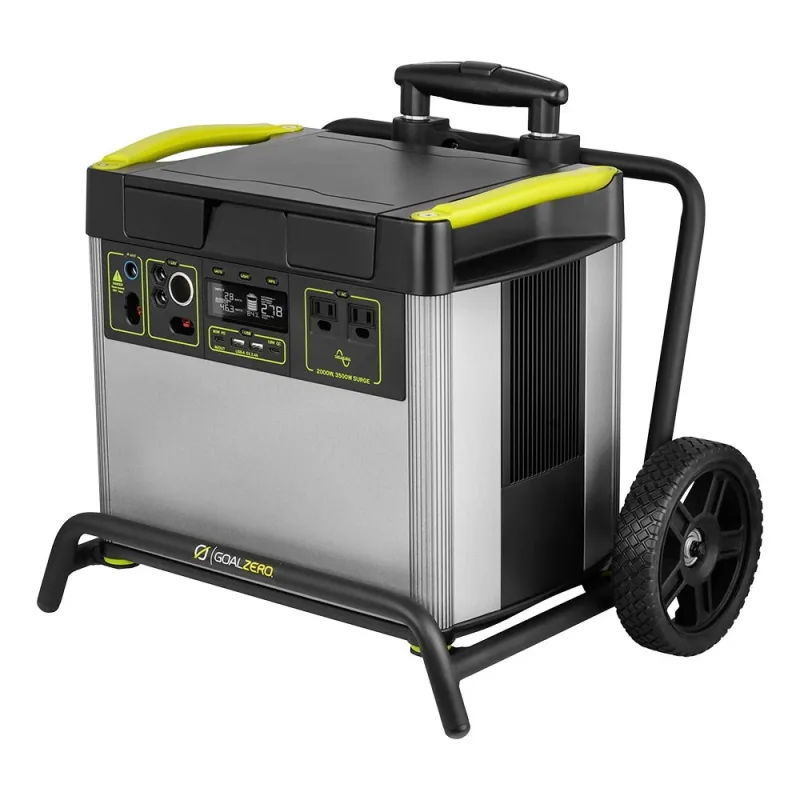
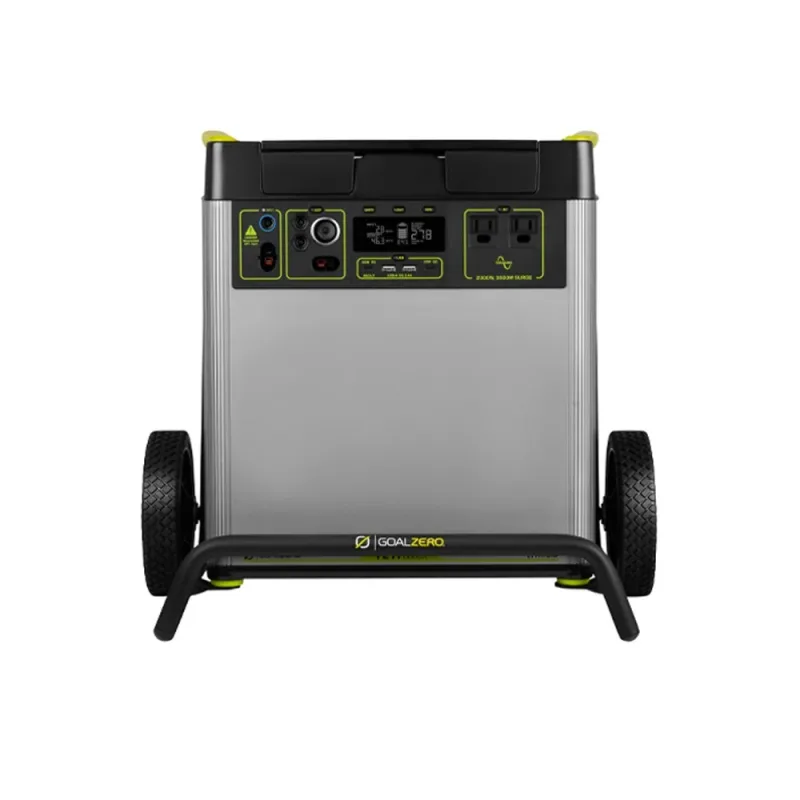
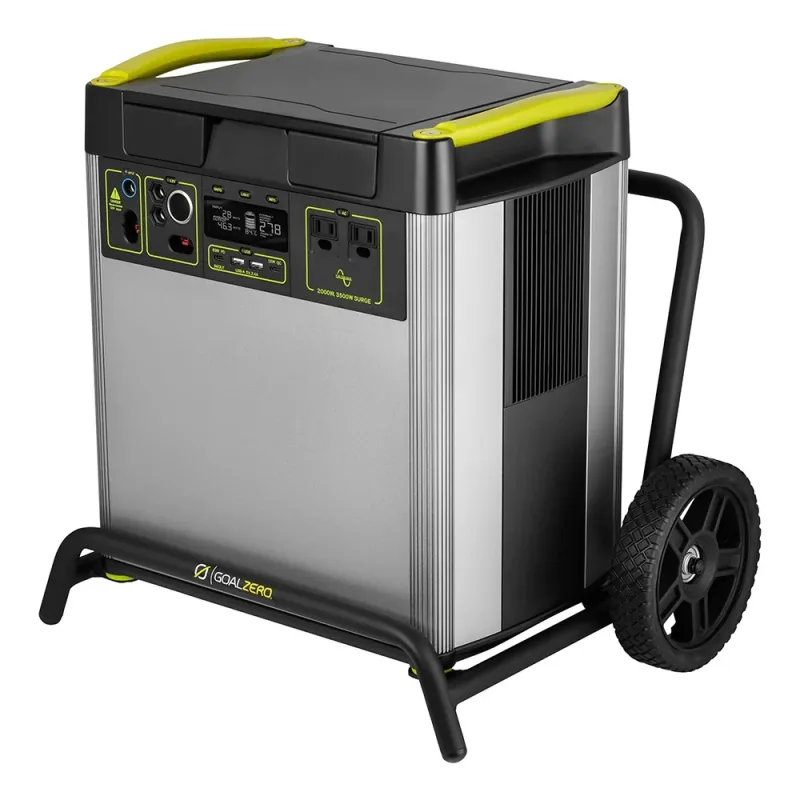
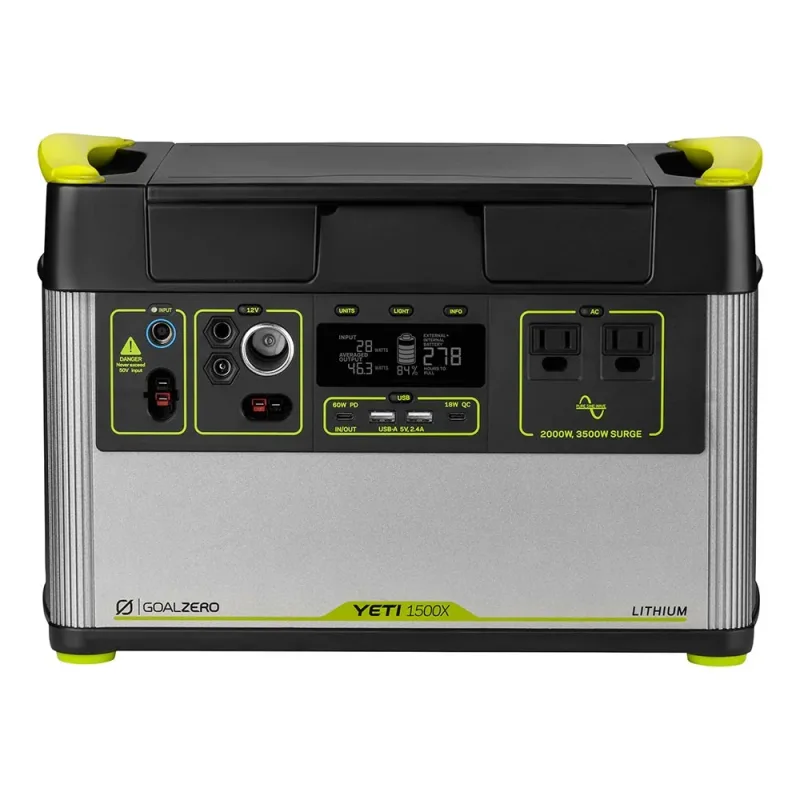
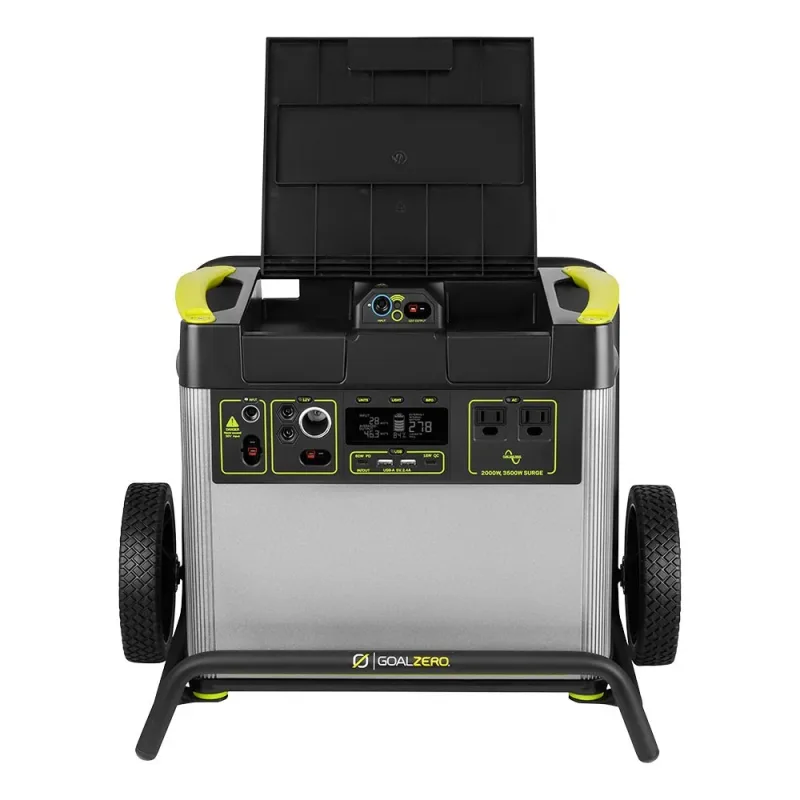
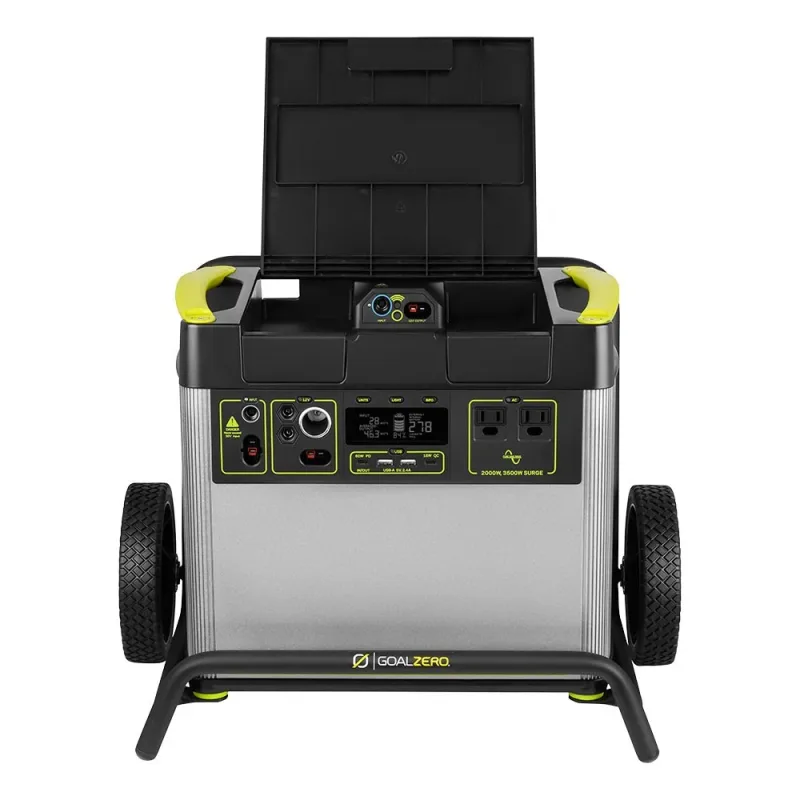
- Multi-day backup: Whole-home essentials during extended outages. Larger units like the Yeti 3000X and Yeti 6000X are built for this tier.
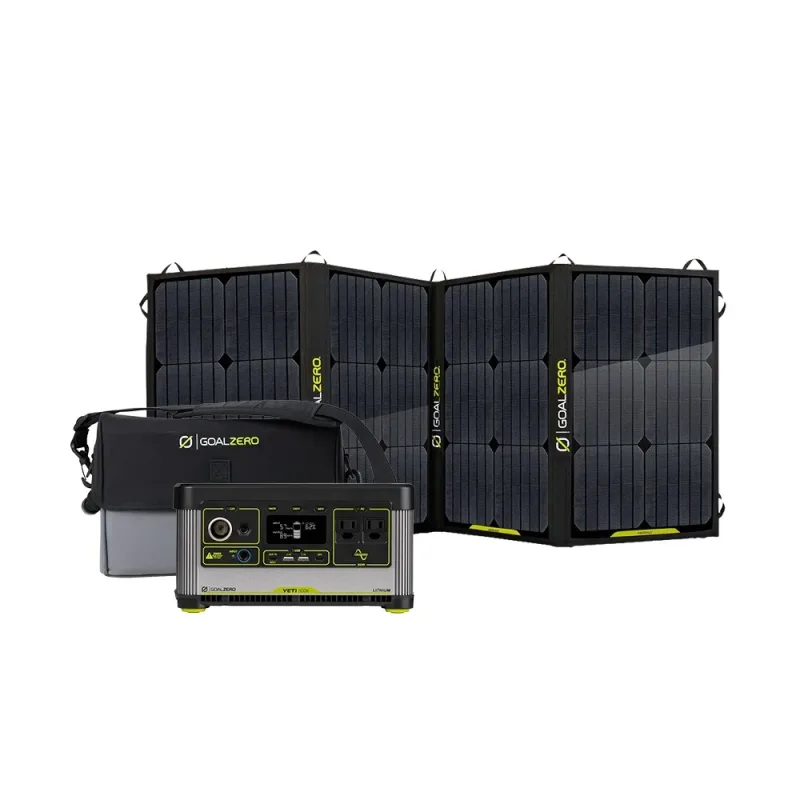
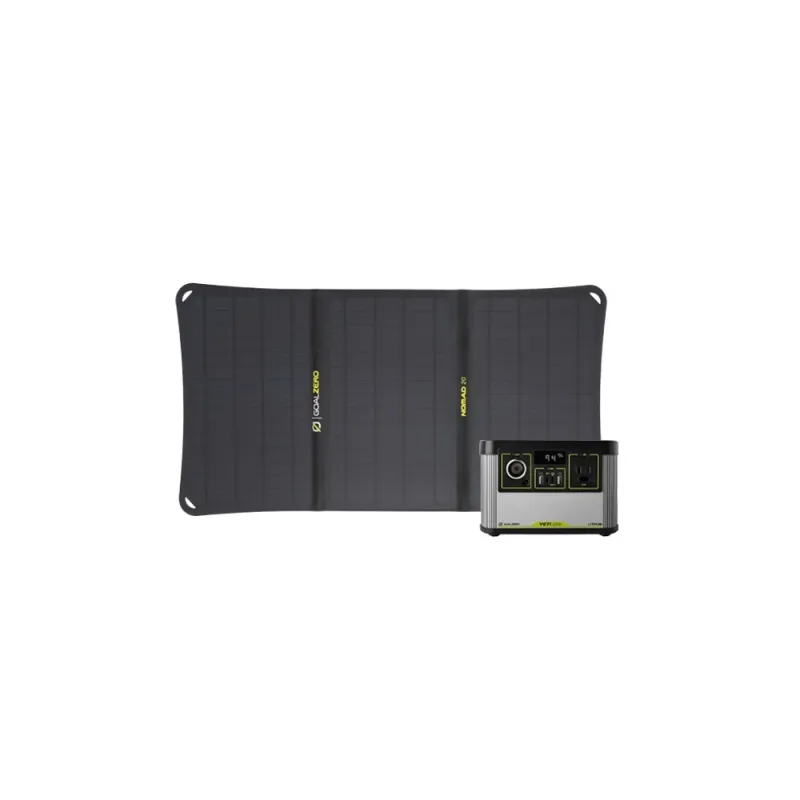
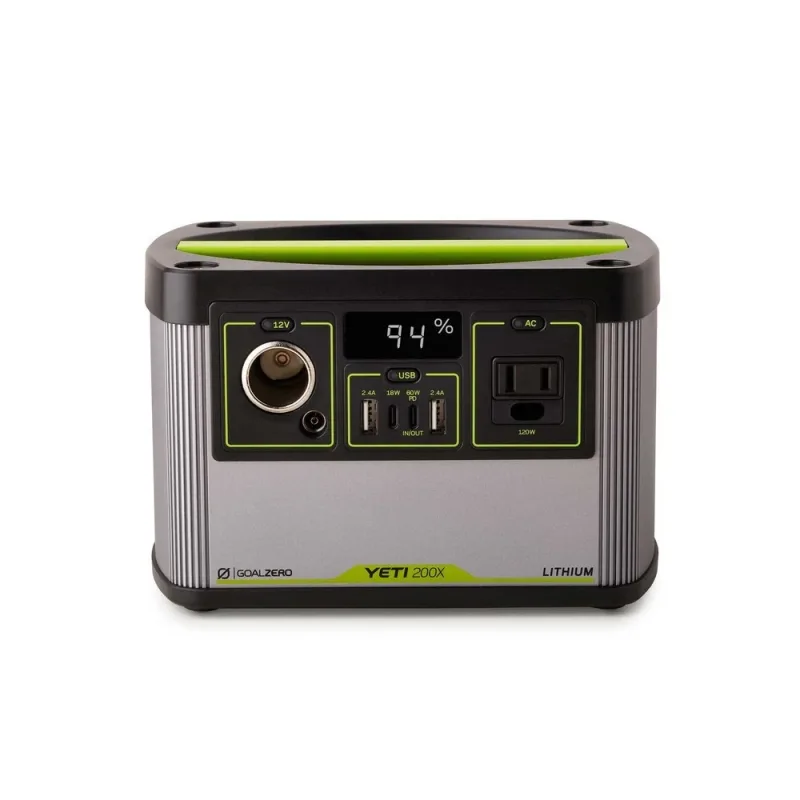
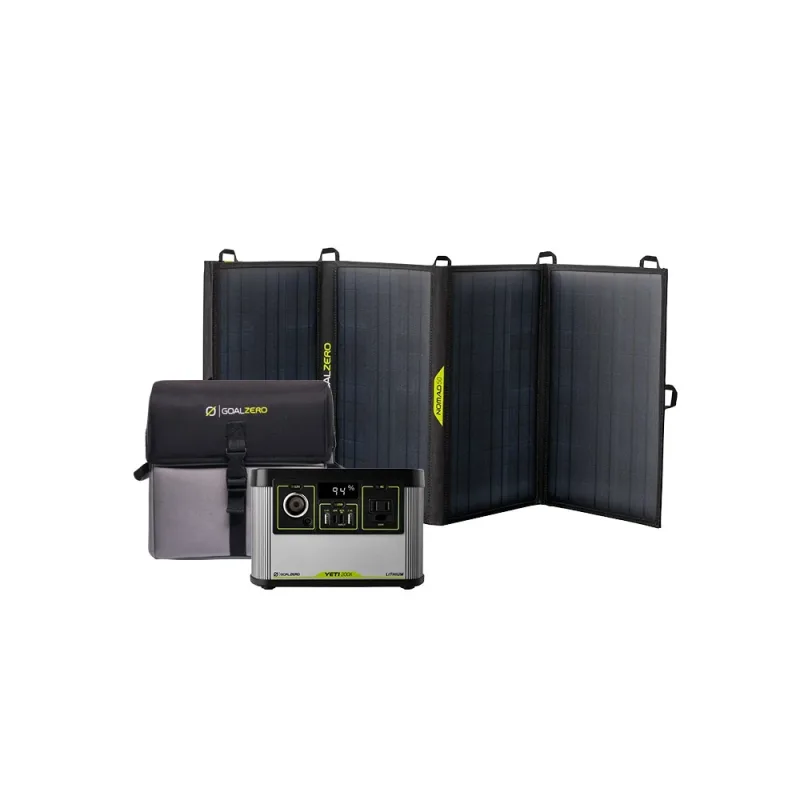
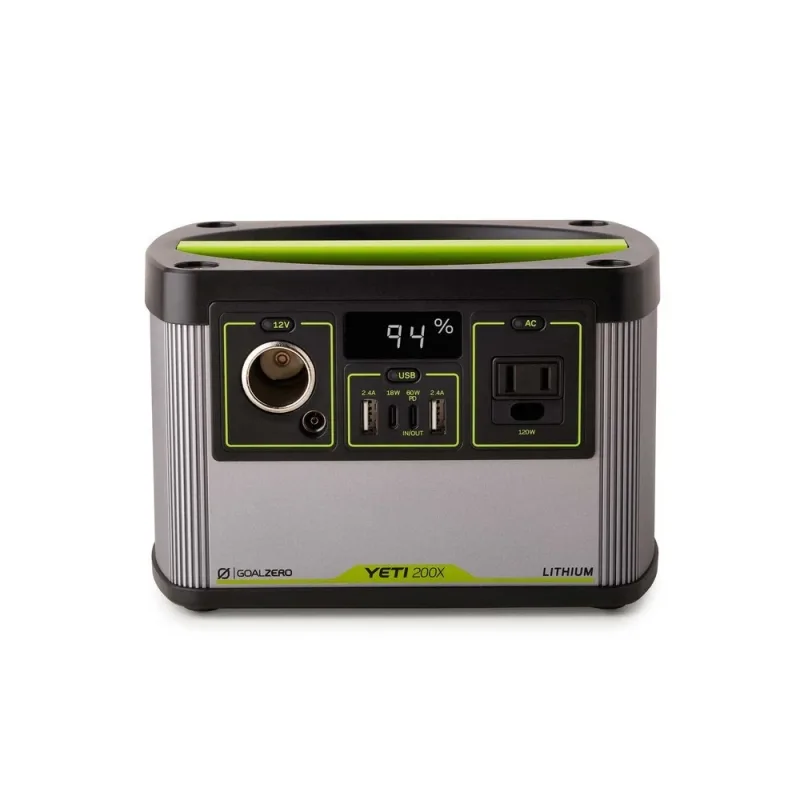
If you want a station and panel in one purchase, bundled kits remove the guesswork. The Yeti 500X + Nomad 100 Solar Generator is a strong all-rounder, while the Yeti 200X + Nomad 20 Solar Generator and Yeti 200X + Nomad 50 Solar Generator suit lighter, more portable setups.
Building a Solar Setup
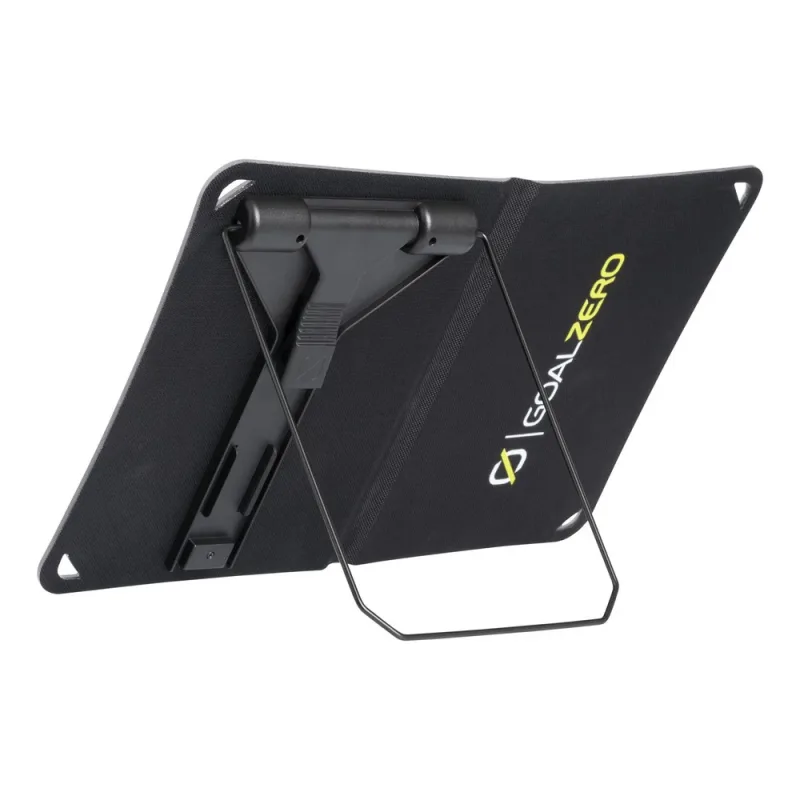
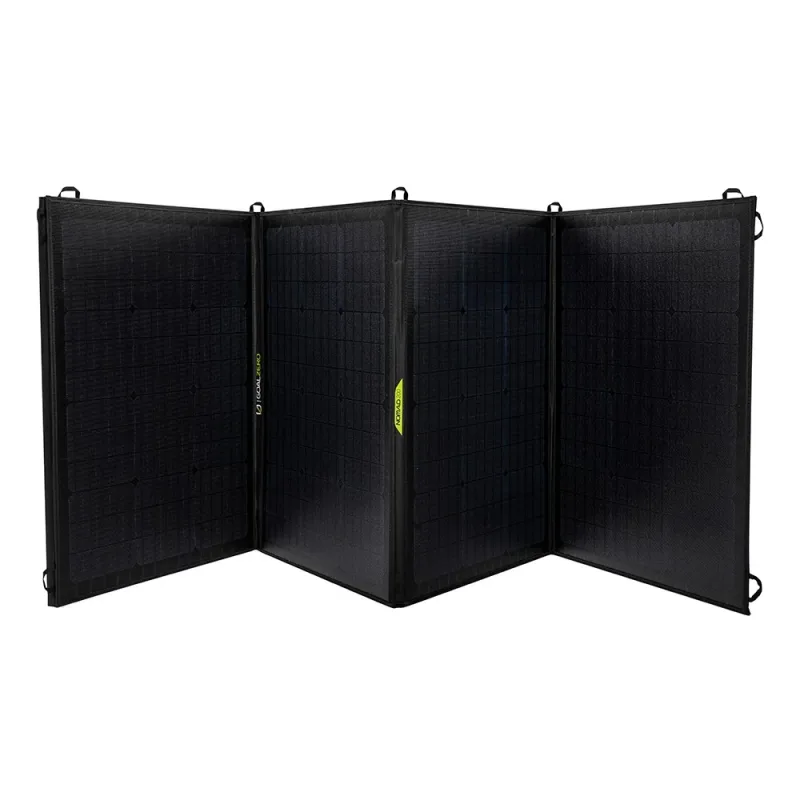
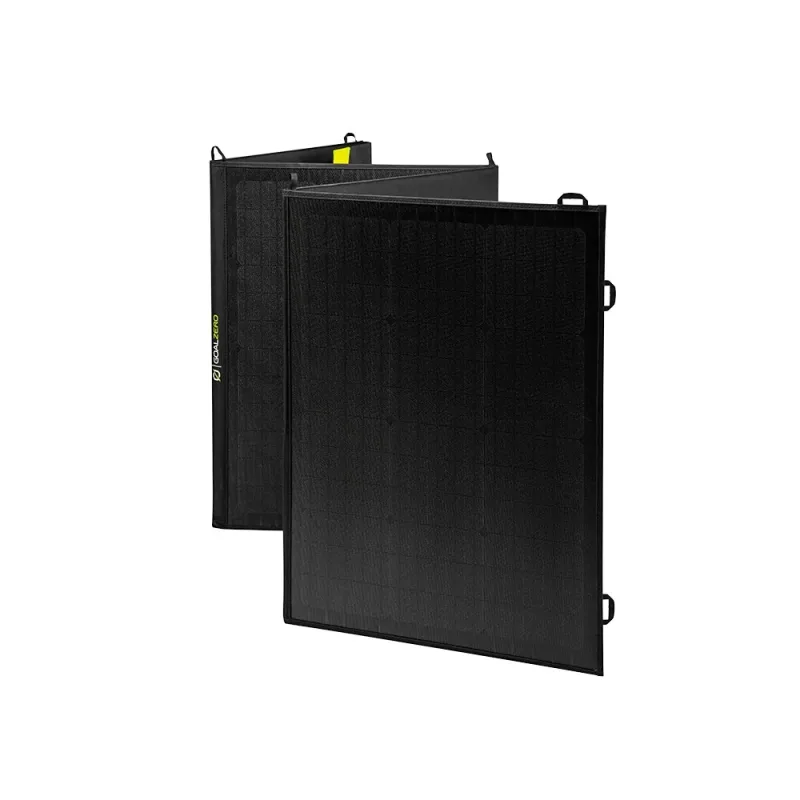
Solar panels are rated by wattage under ideal sun. Real-world output is usually 60-80% of the rating, so plan accordingly. Panels come in two broad styles: foldable Nomad panels for travel and rigid Boulder panels for permanent or semi-permanent mounting.
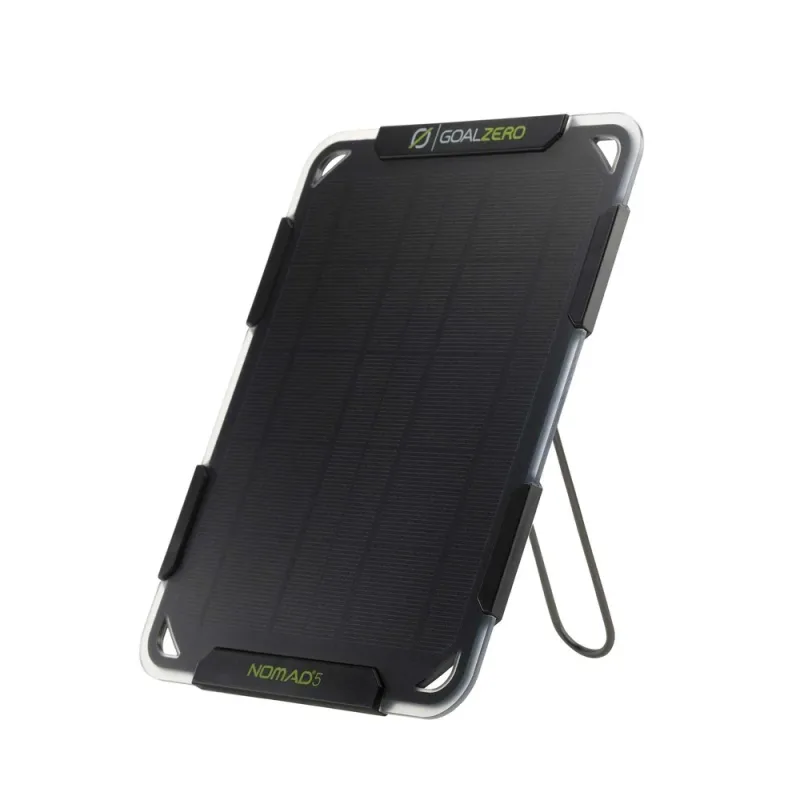
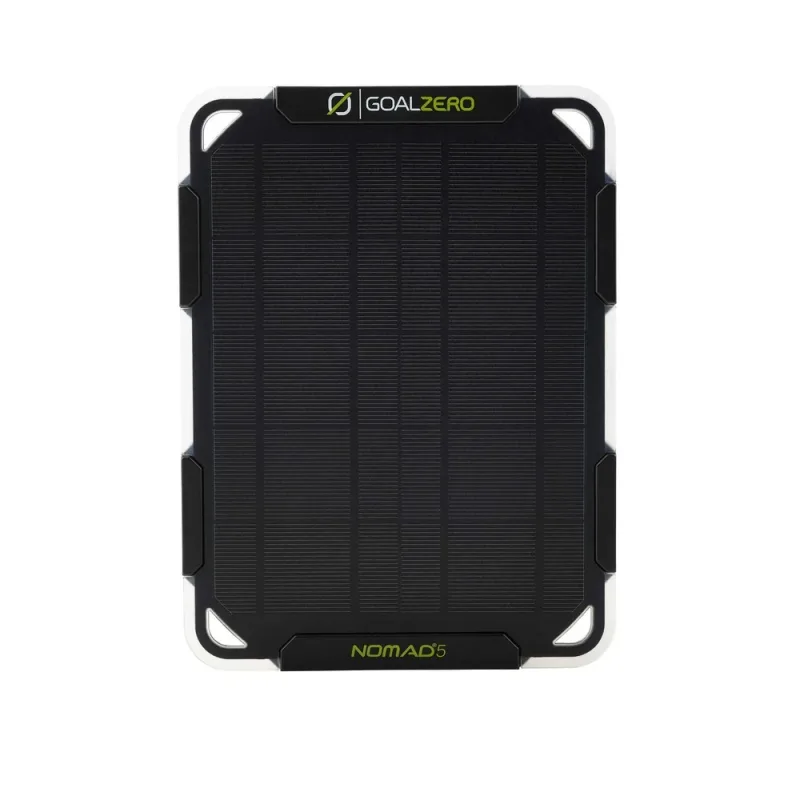
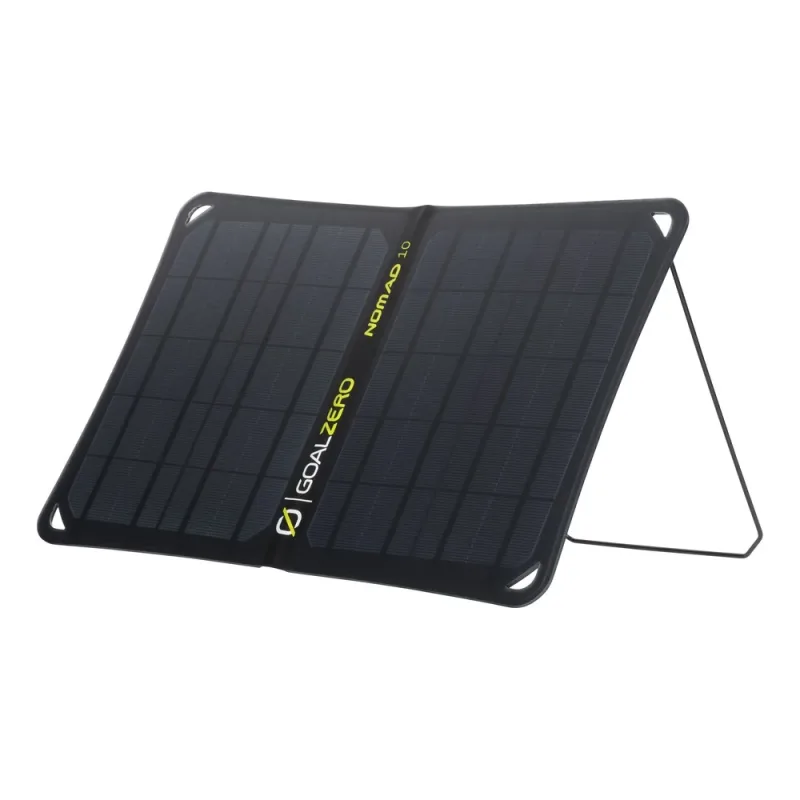
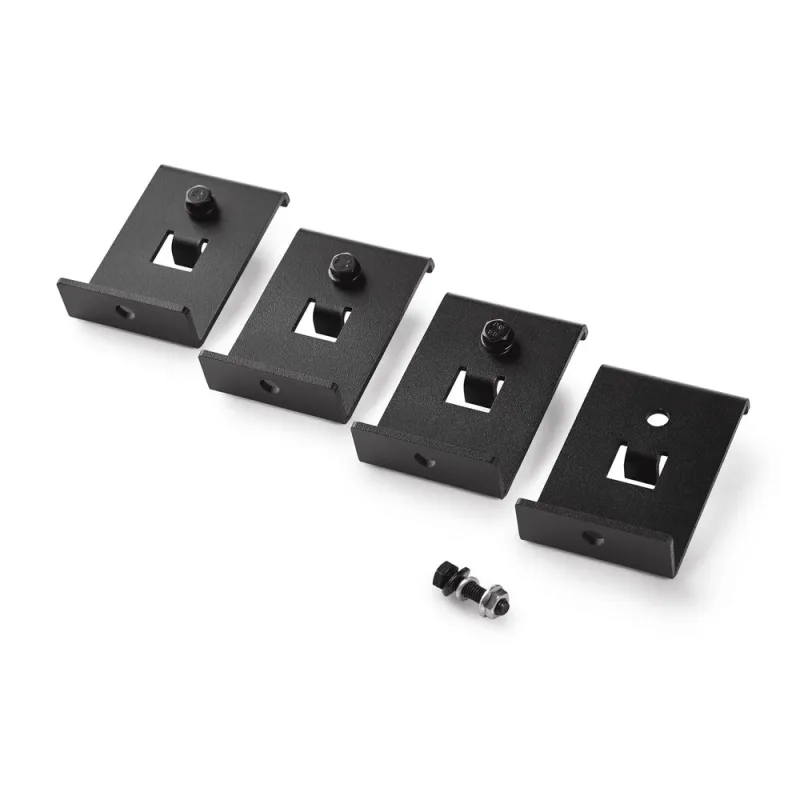
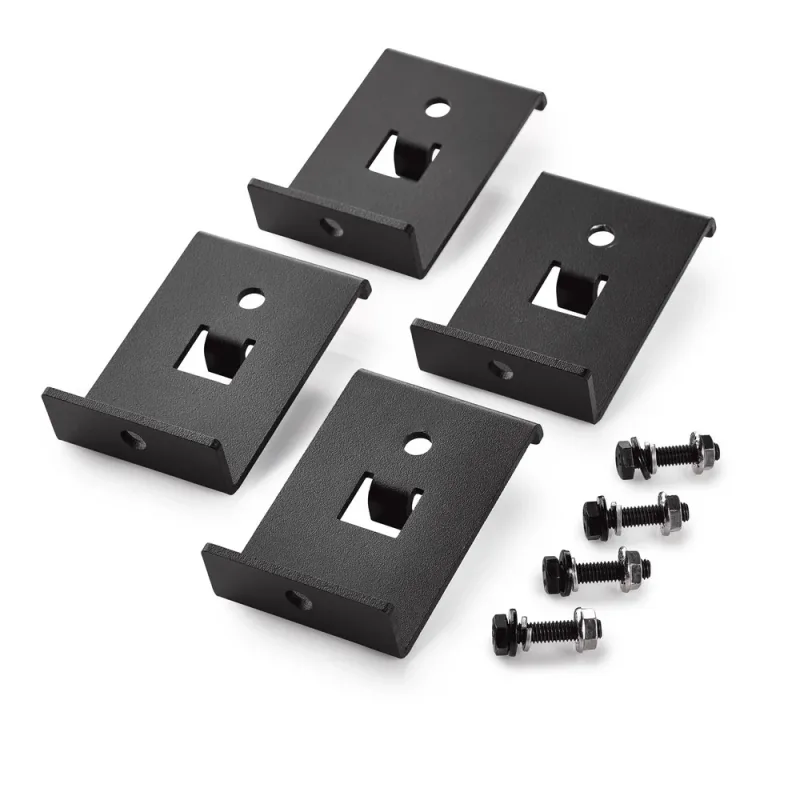
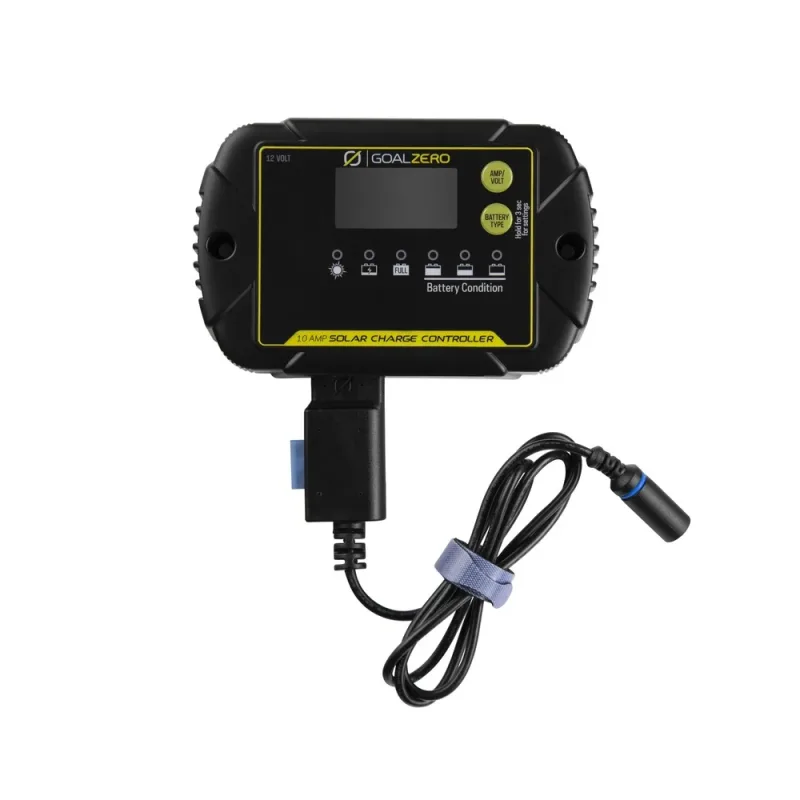
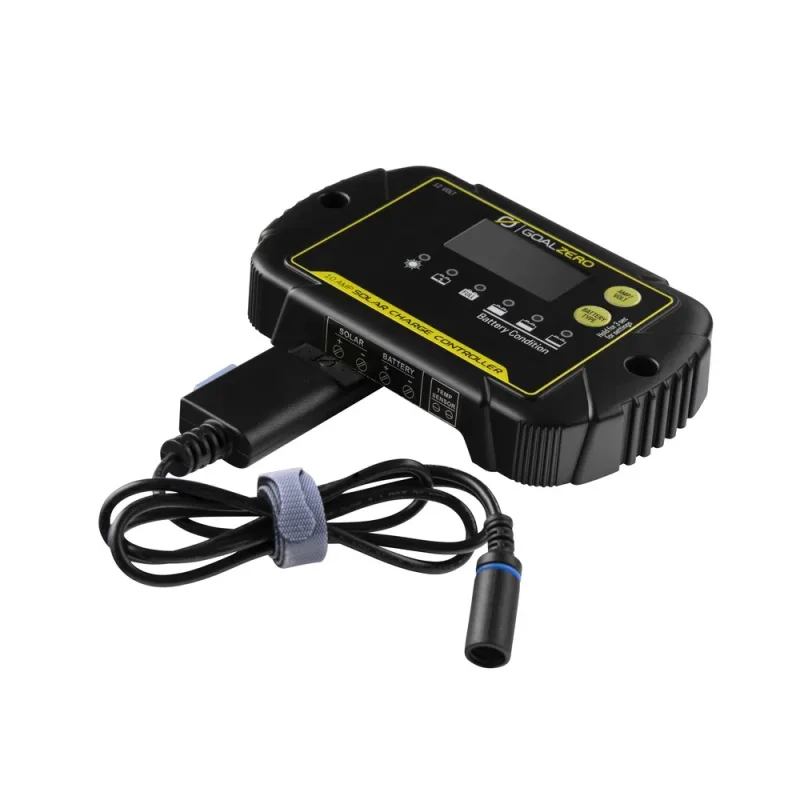
For a portable kit, the Nomad 5 and Nomad 10 are ideal for keeping small power banks topped up on hikes or weekend trips. The Nomad 200 delivers serious output for larger stations. On the rigid side, Boulder panels pair well with the Boulder Mounting Brackets (4 Pack) for roof or shed installations. If you are assembling your own array, the 10-Amp Charge Controller helps regulate charging safely.
Connecting panels to stations often requires the right cable. High Power Port (HPP) cables let you link multiple panels or extend the run from panel to station. Always match connector types and respect the station's maximum input voltage.
Expanding and Integrating
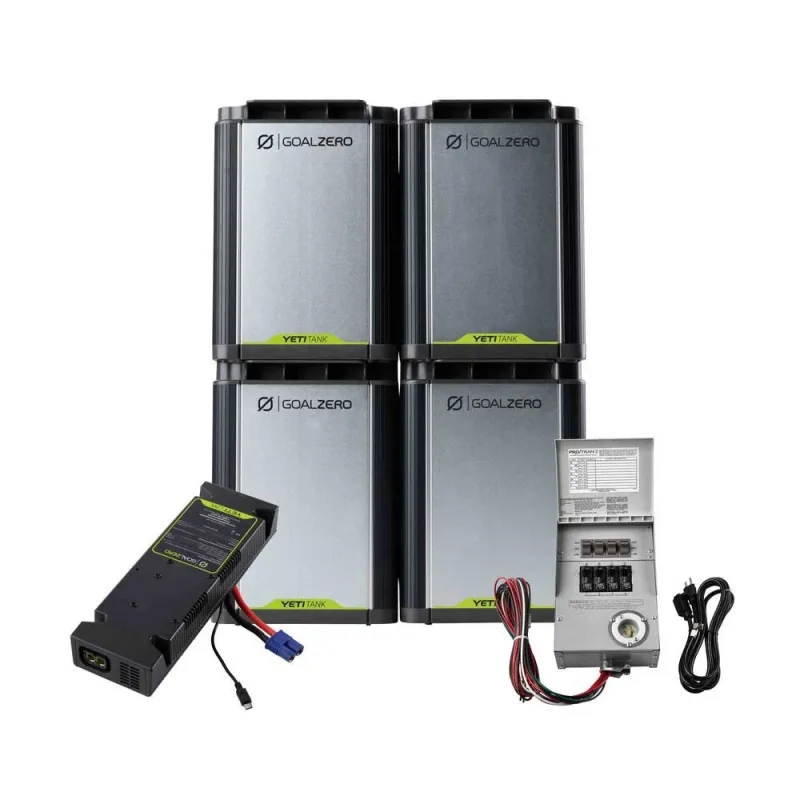
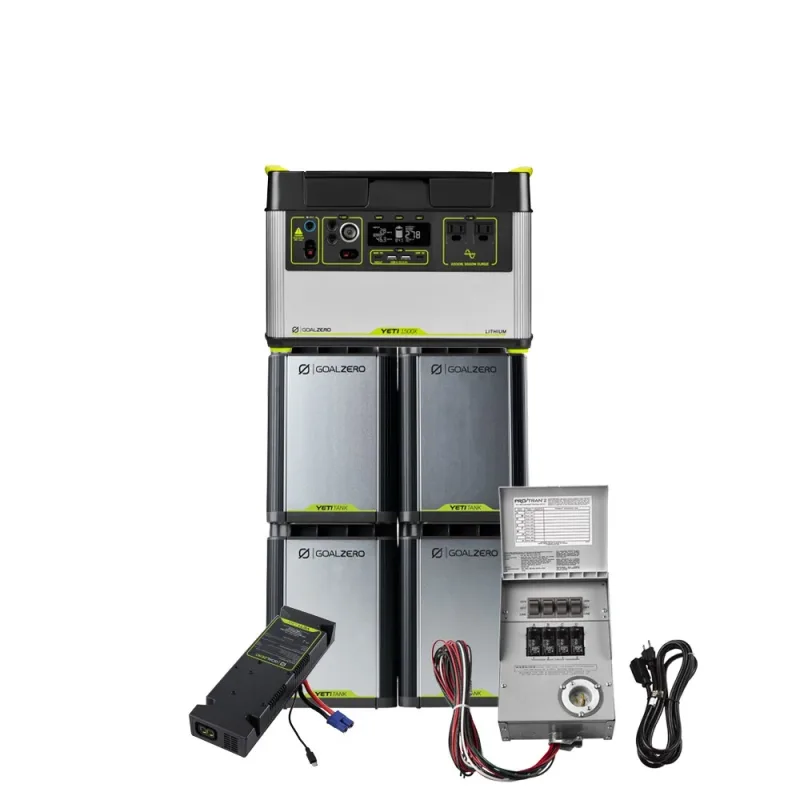
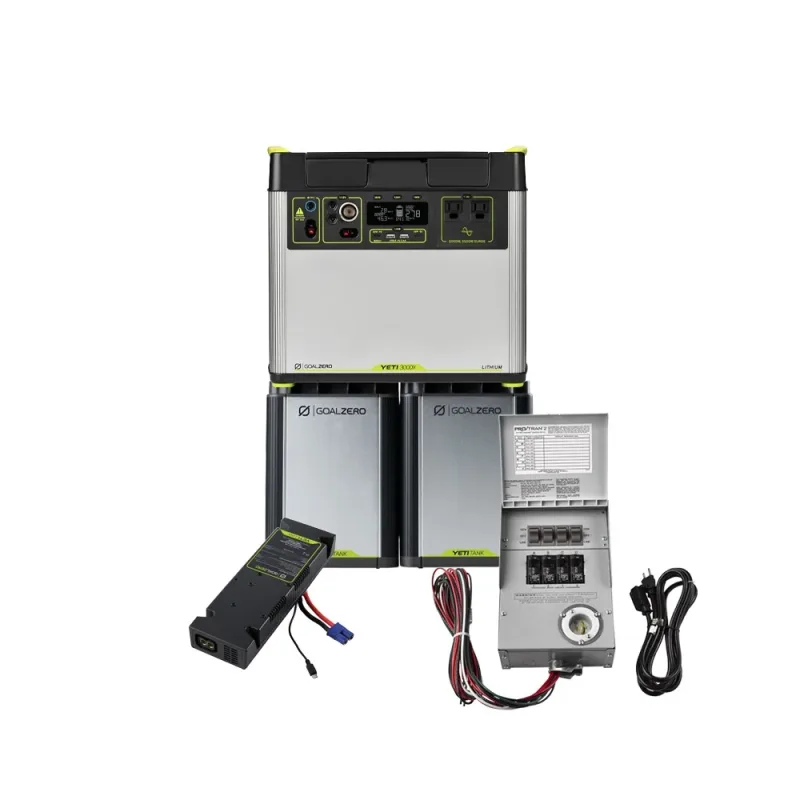
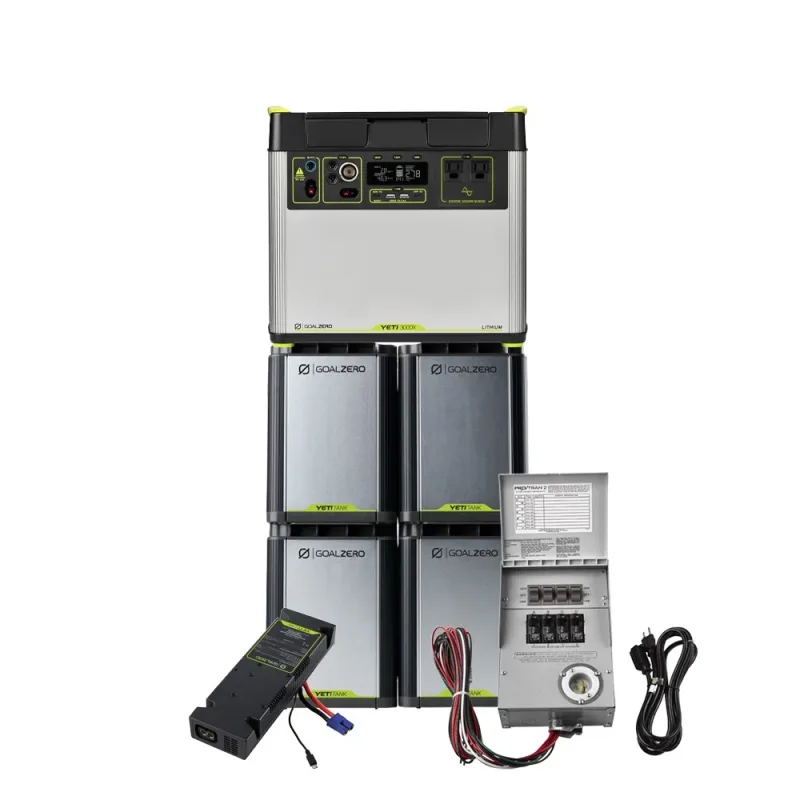
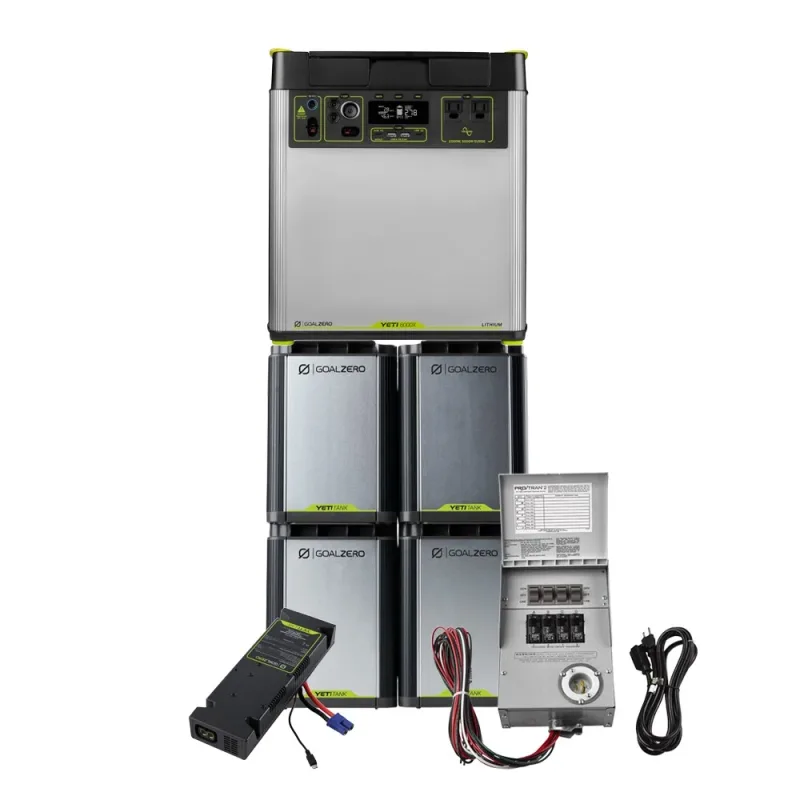
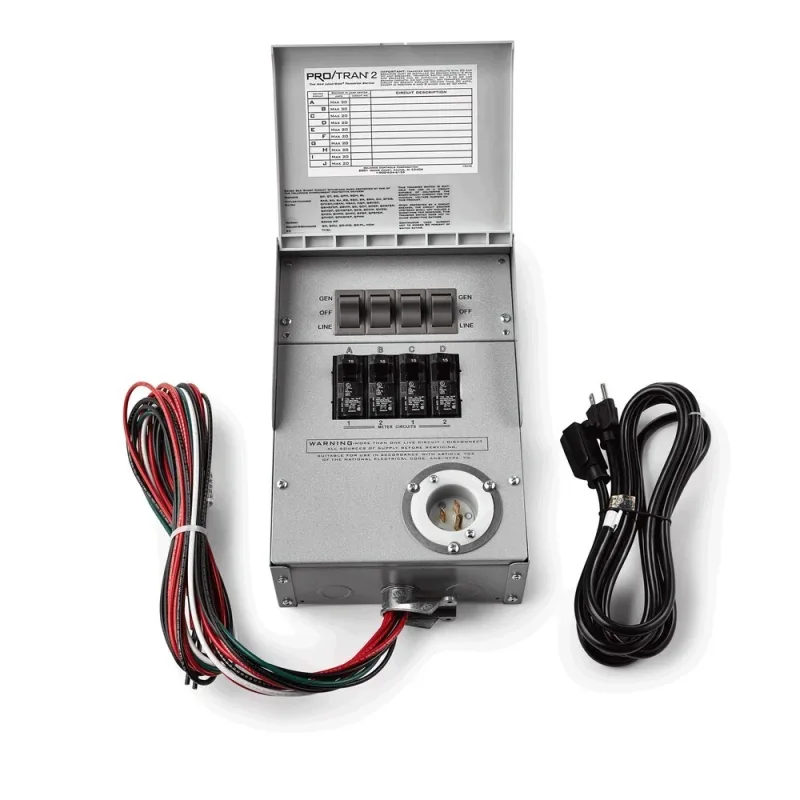
One of the biggest advantages of a modular system is growth. You can start small and add capacity later rather than buying a single oversized unit up front. The 4800Wh Yeti Expansion Kit with HIK adds substantial storage to a compatible station, and the 6300Wh Home Backup System, 5400Wh Home Backup System, 7800Wh Home Backup System, and 10800Wh Home Backup System scale that idea into whole-home territory.
Vehicle integration is another common upgrade. Charging from a car's 12V outlet keeps a station topped up on road trips, and larger alternator-charging setups can refill a station while you drive. This is especially useful for van life, overlanding, and emergency responders who need power away from home.
Essential Accessories
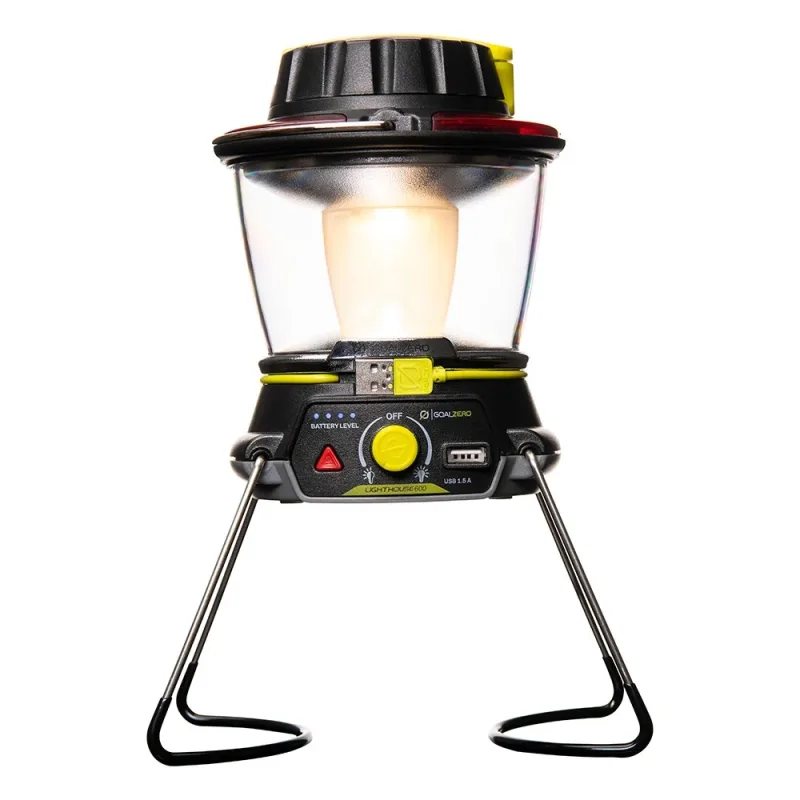
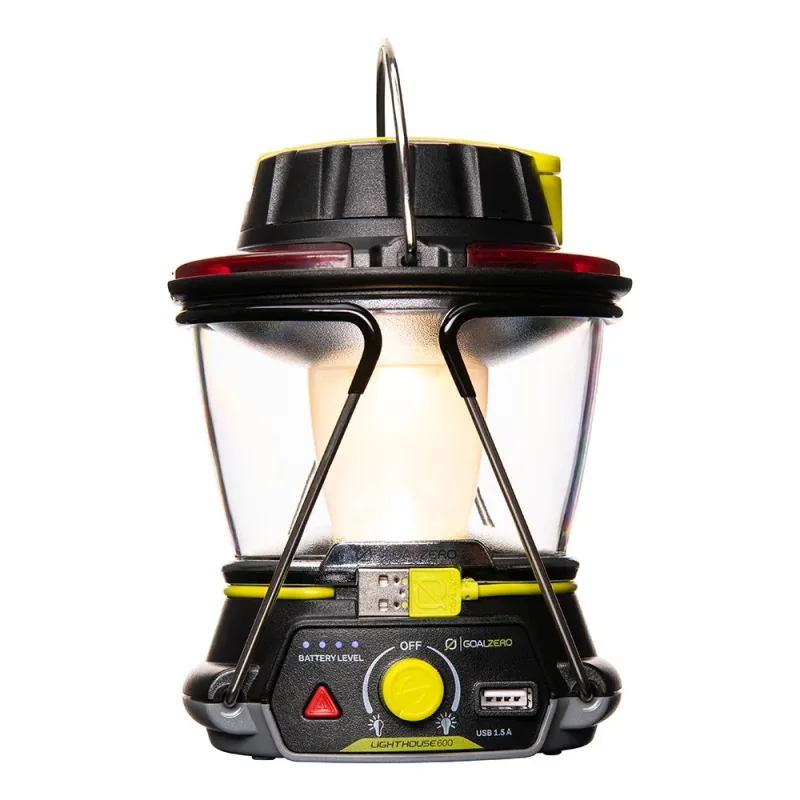
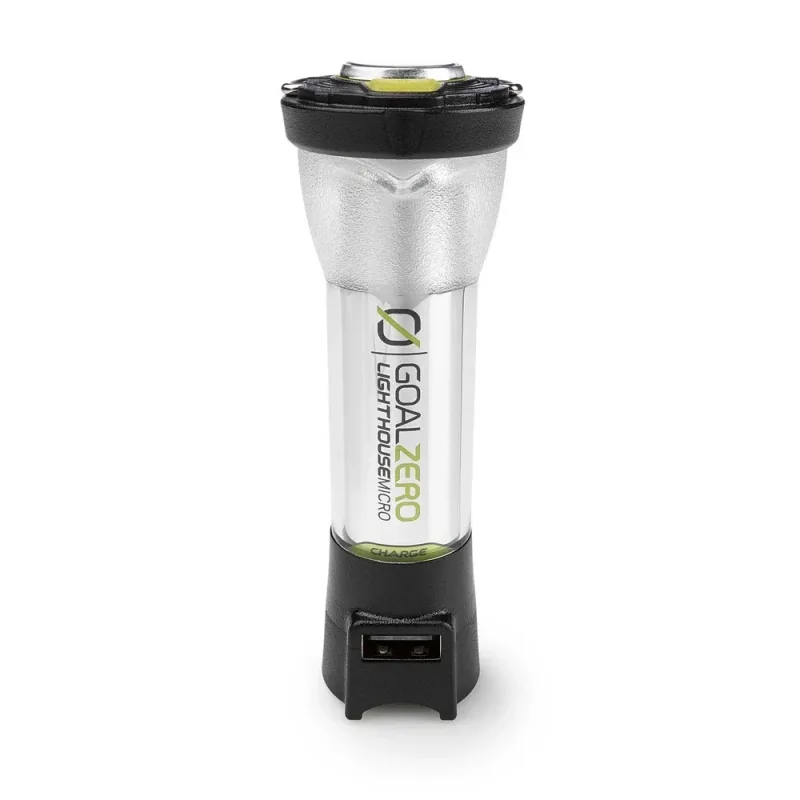
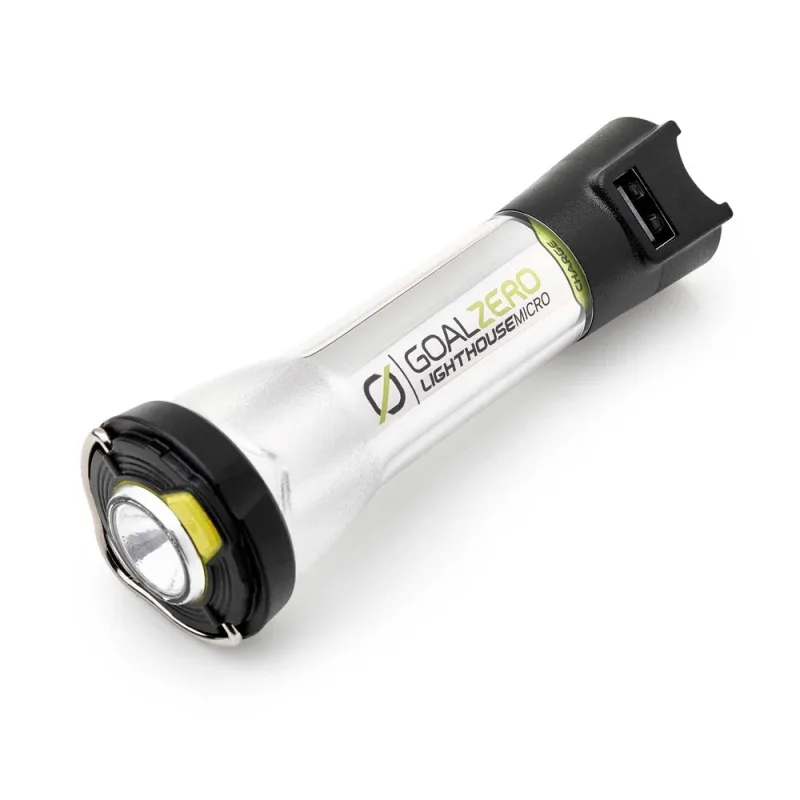
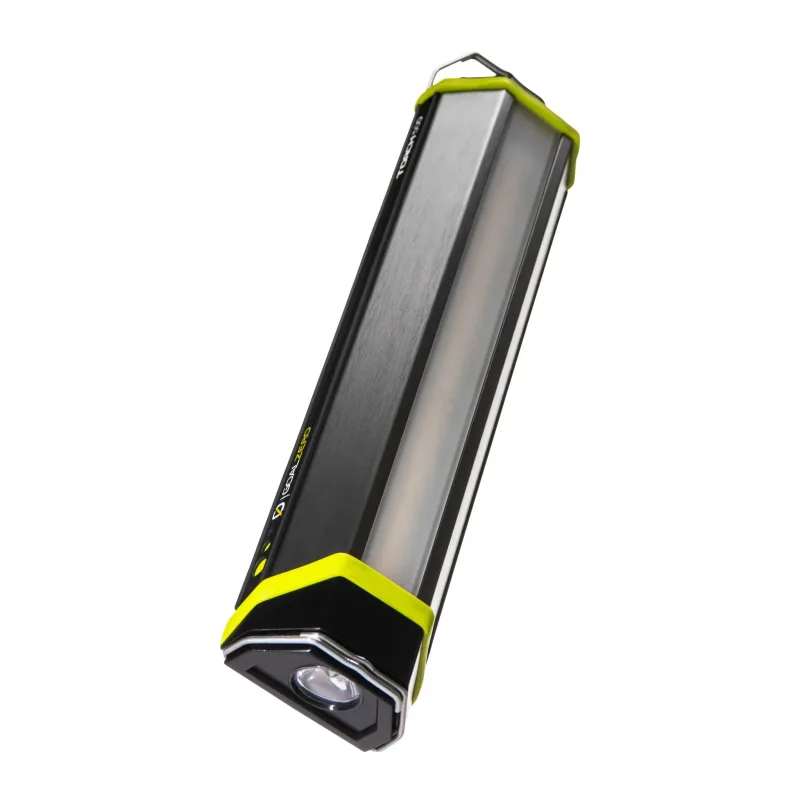
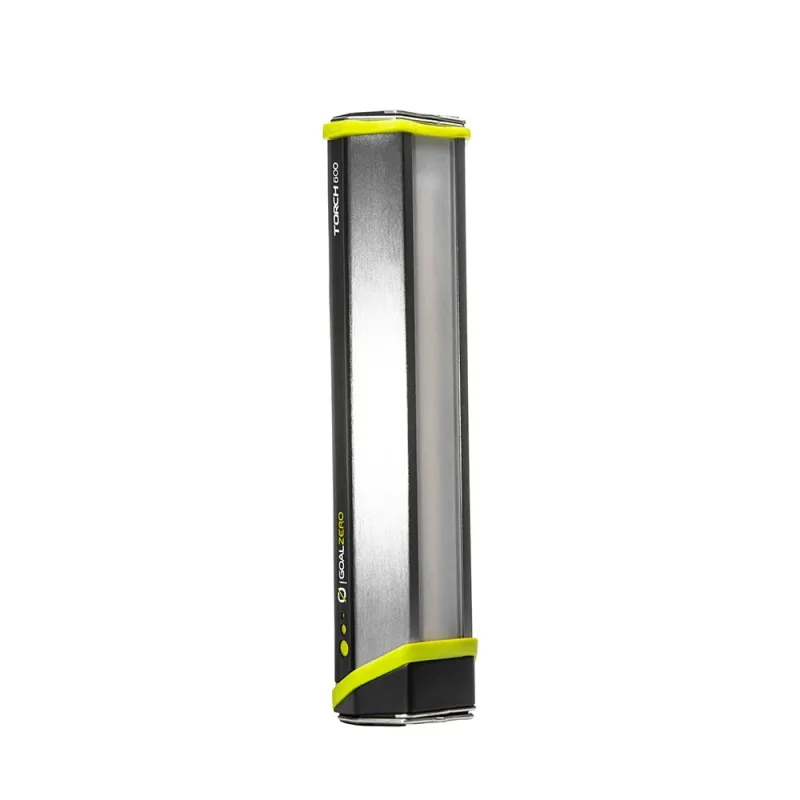
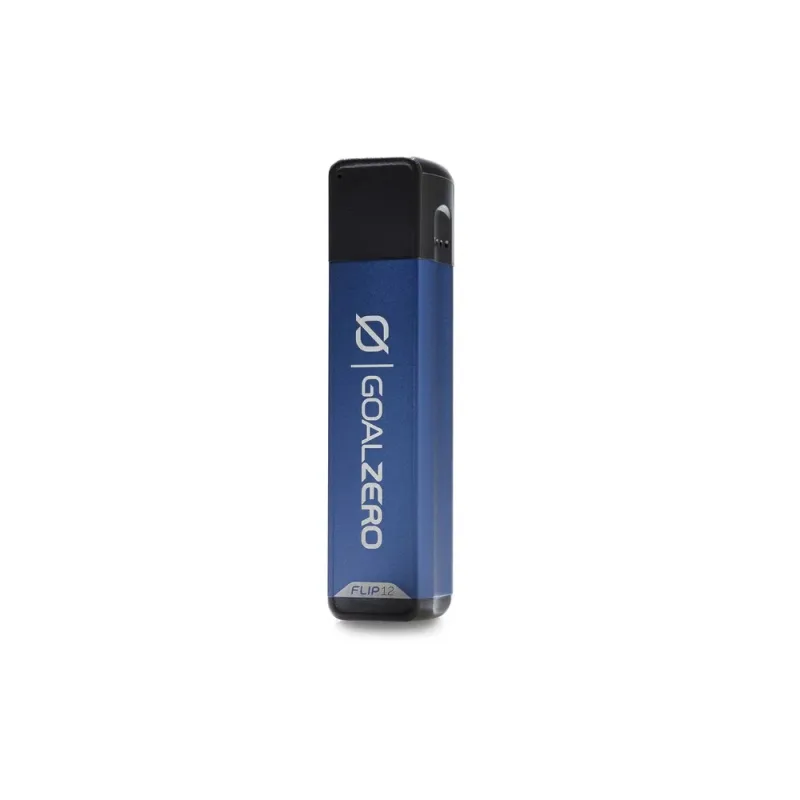
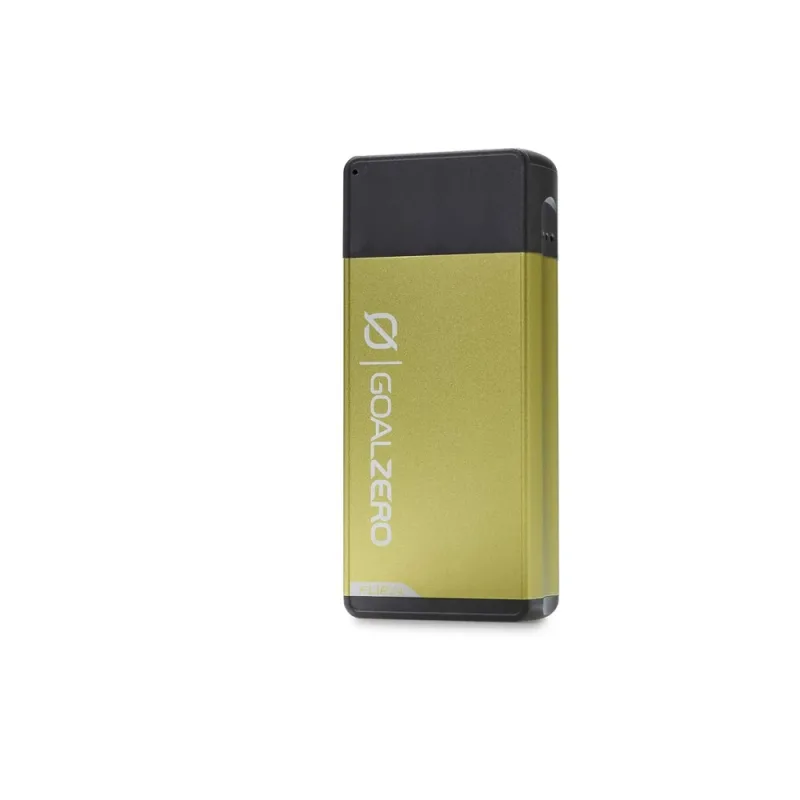
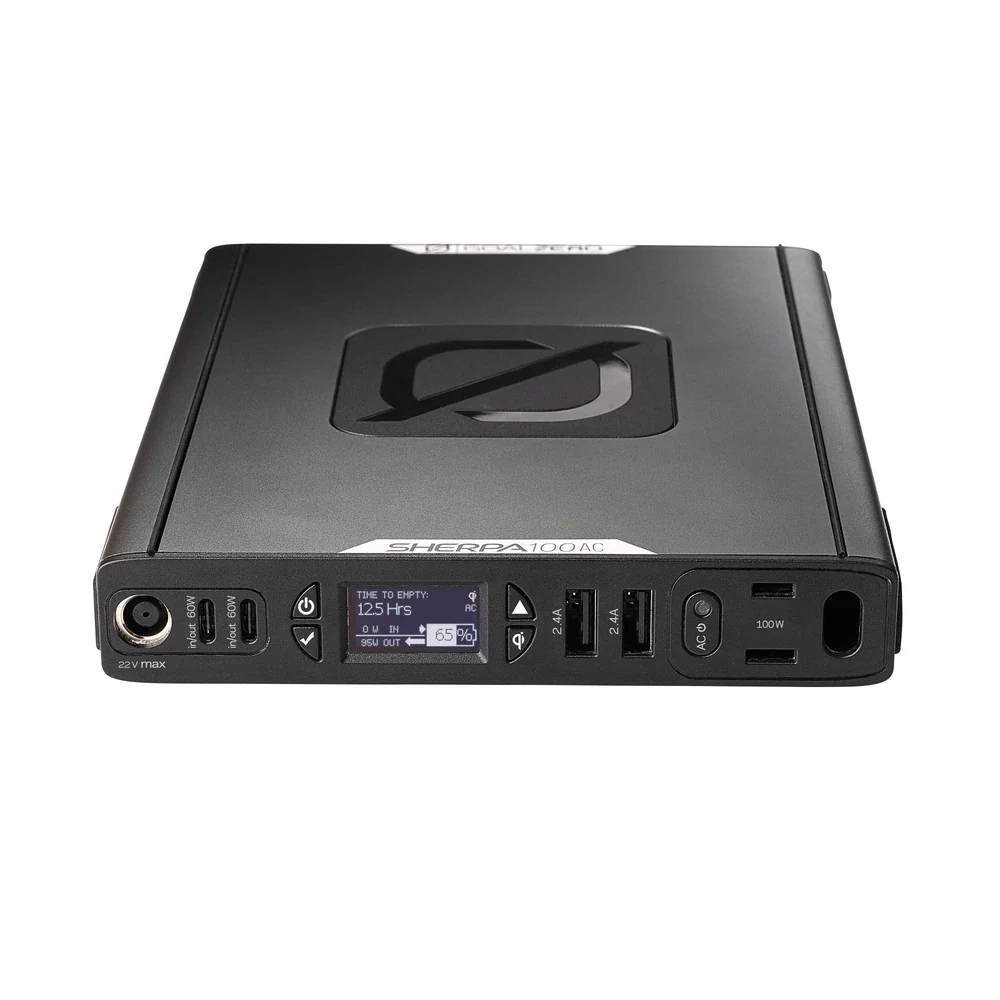
Accessories turn a good system into a great one. Protection matters: the Yeti Faraday Case shields a station from electromagnetic pulses, and the Sherpa 100AC Sleeve protects smaller power banks in transit. For lighting, the Lighthouse 600 Lantern & USB Power Hub doubles as a charging station, while the Lighthouse Micro Charge USB Rechargeable Lantern and Torch 500 Multi-Purpose Light cover handheld and task lighting. The Flip 12 and Flip 24 add compact, portable light where you need it.
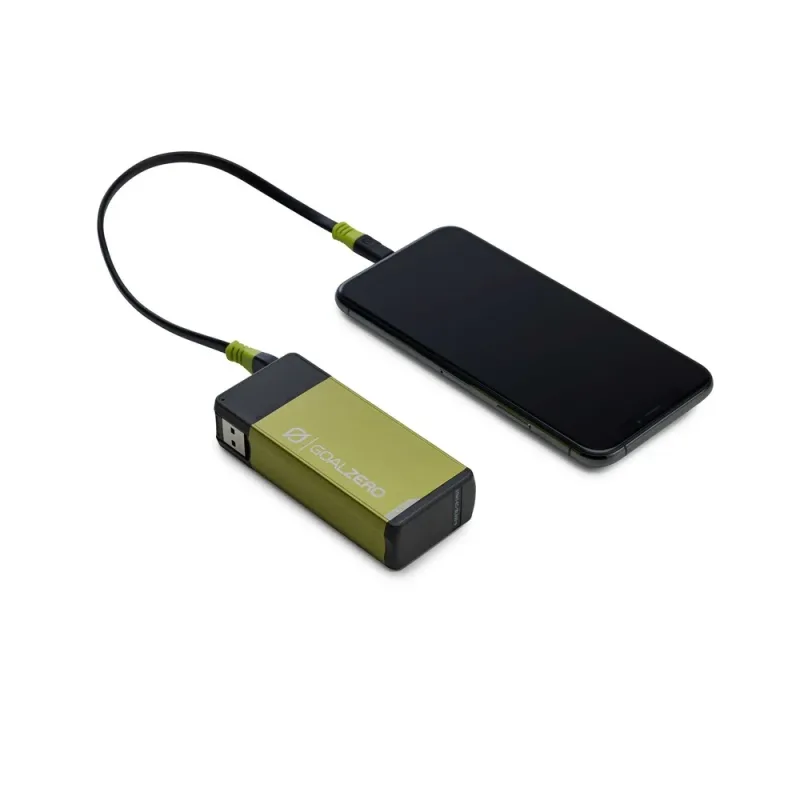
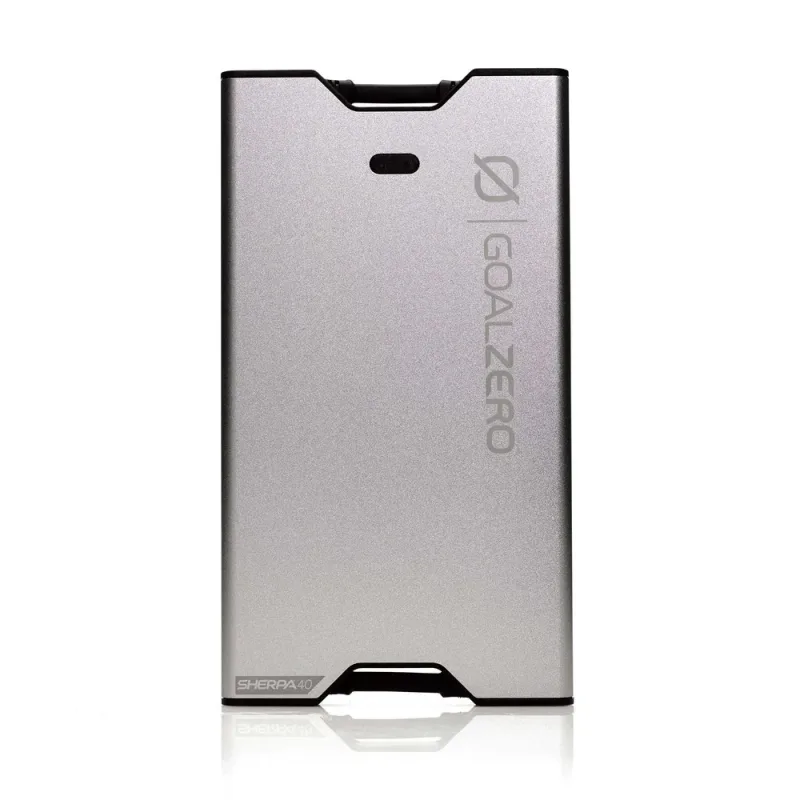
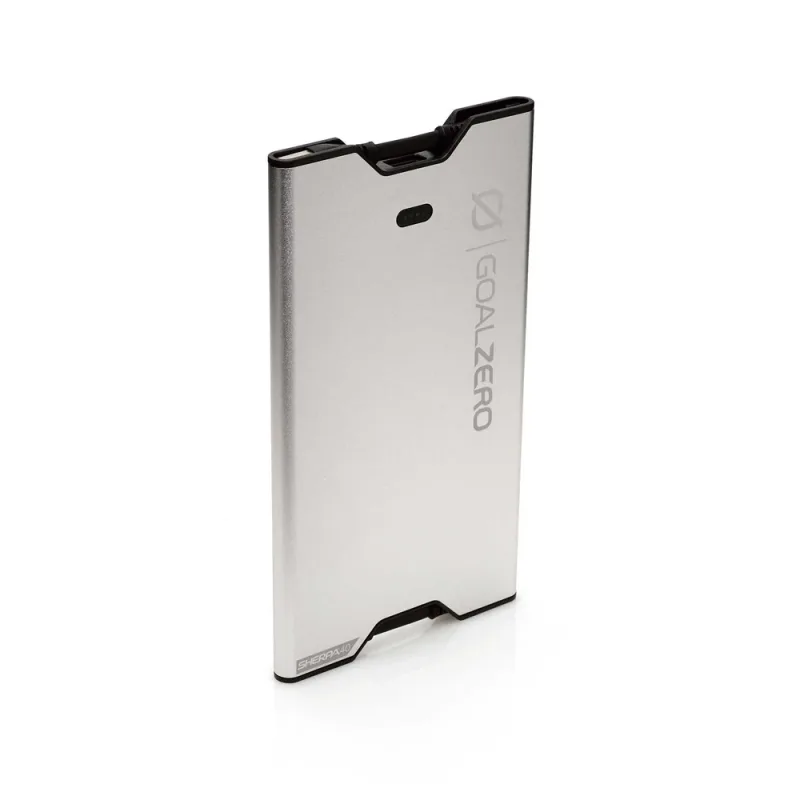
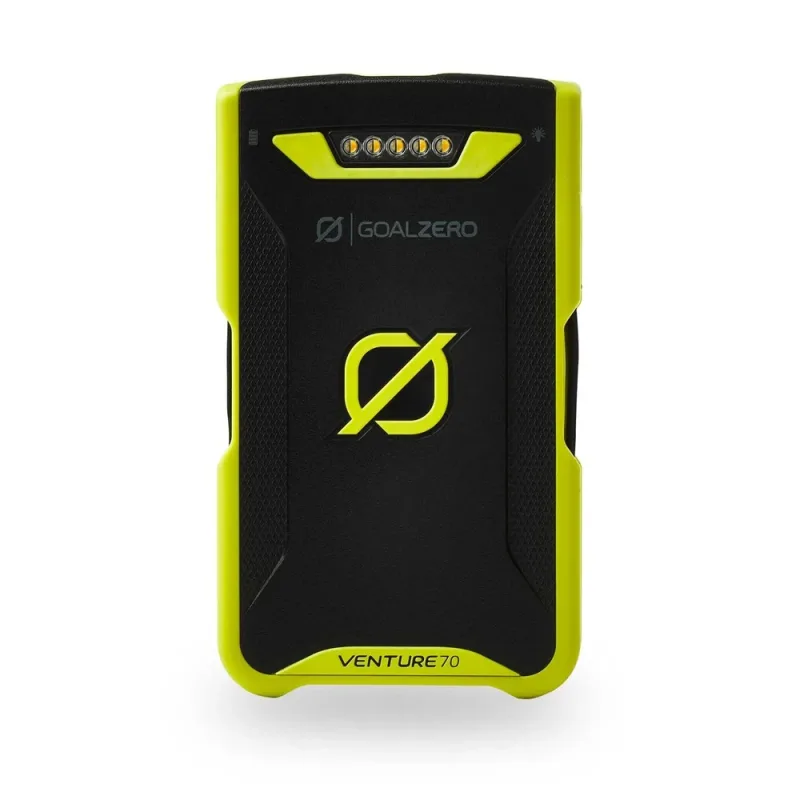
Small cables and adapters are easy to overlook. The Three Pack USB to Lightning 4-Inch Cable keeps short charging runs tidy, and power banks like the Sherpa 40 Power Bank and Venture 70 Power Bank Micro/Lightning make sure every device stays charged.
Getting Started
Begin by listing the devices you must keep running and for how long. Add up their watt-hours, then choose a station with some headroom and a solar panel that can refill it in a day of decent sun. From there, expansion kits and accessories let you grow the system as your needs change. Build it in stages, test it before you need it, and you will have a home backup setup that runs quietly, safely, and without a trip to the gas station.