Why a Portable Power Station Belongs in Your Gear Closet
Power outages, remote campsites, and tailgates all share one thing: they leave you wishing you had a wall outlet in your pocket. A portable power station solves that problem by storing energy in a battery and delivering it through standard AC and USB ports wherever you are. Pair it with a solar generator setup and you can recharge from the sun instead of hunting for an outlet.
Goal Zero builds its lineup around the Yeti series of power stations and the Nomad series of folding solar panels. This guide walks through the models, the panels that charge them, and the accessories that make a system genuinely useful.
Choosing a Yeti Power Station
The right Yeti comes down to how much power you need and how much weight you are willing to carry.
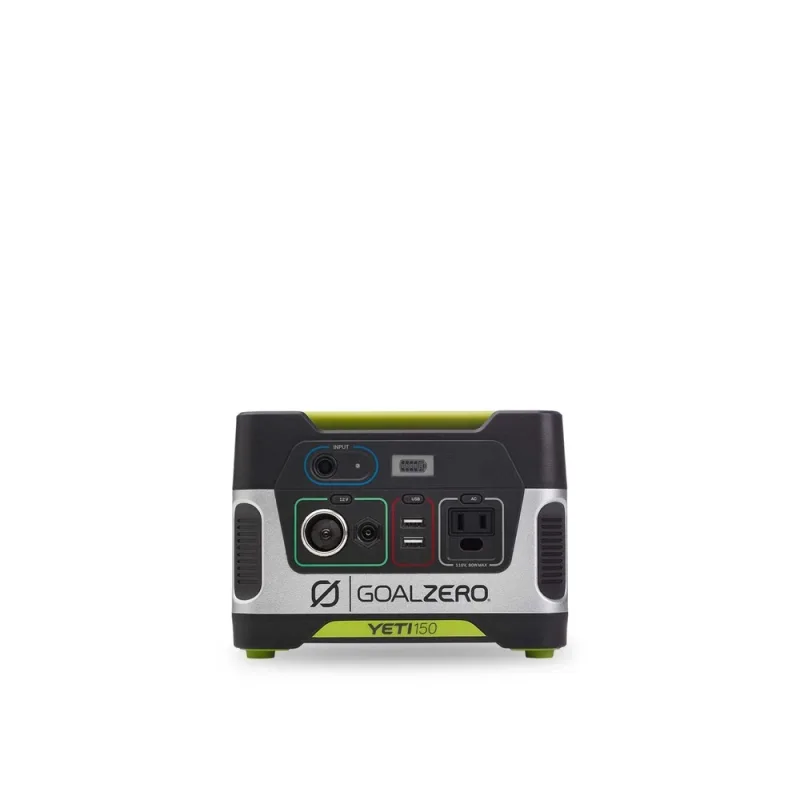
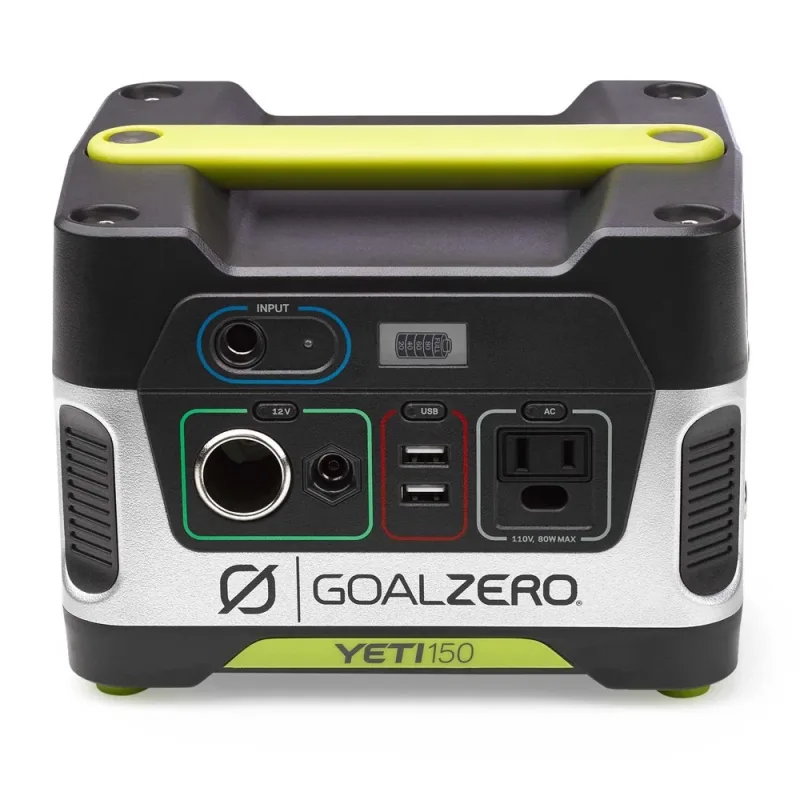
- Weekend and emergency basics: Smaller stations handle phones, lights, laptops, and a router. A compact option like the Yeti 150 covers short outages and car camping trips.
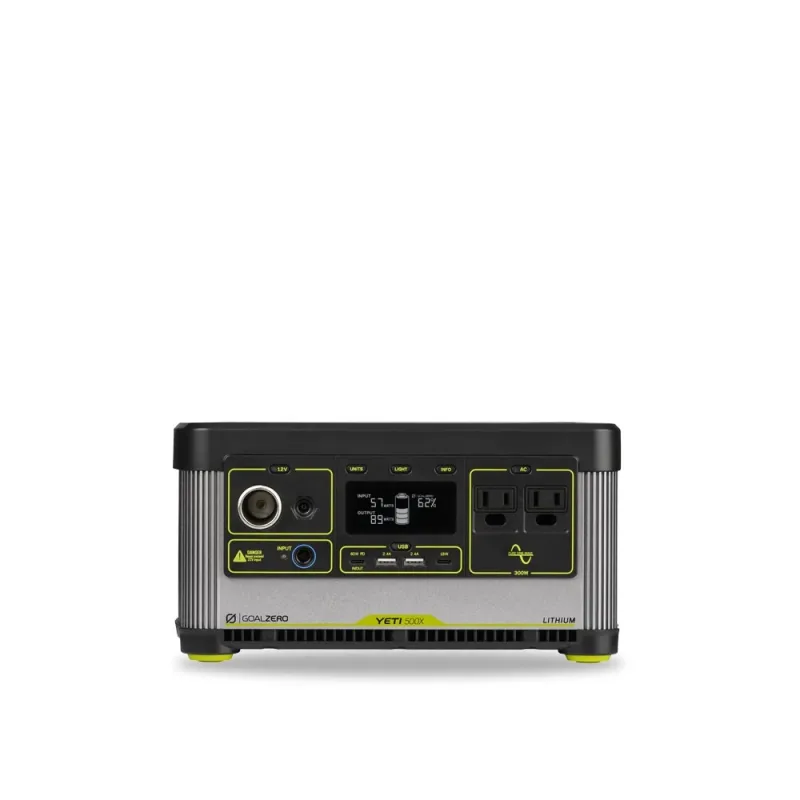
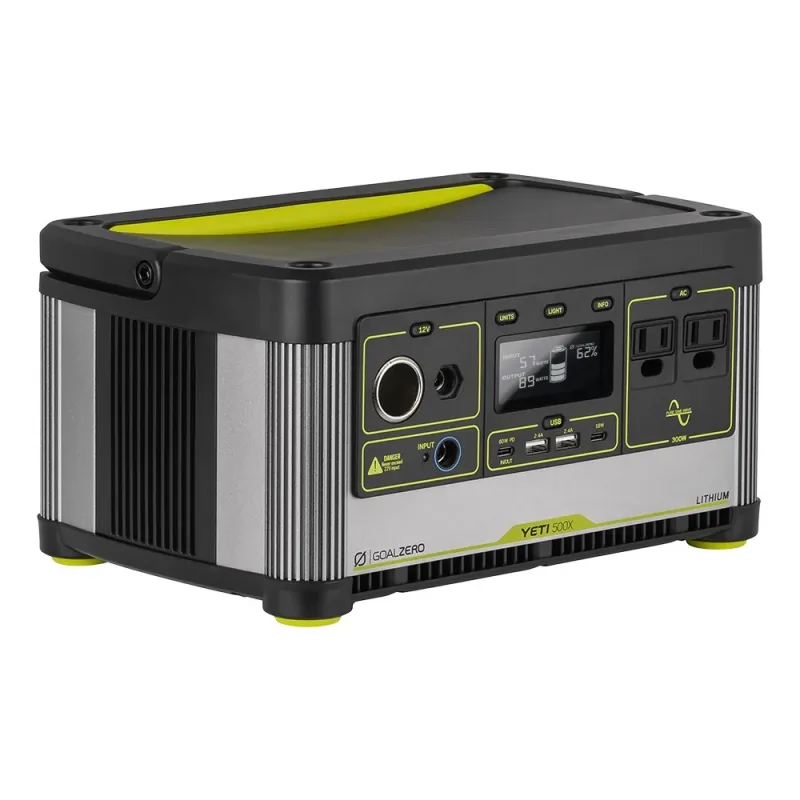
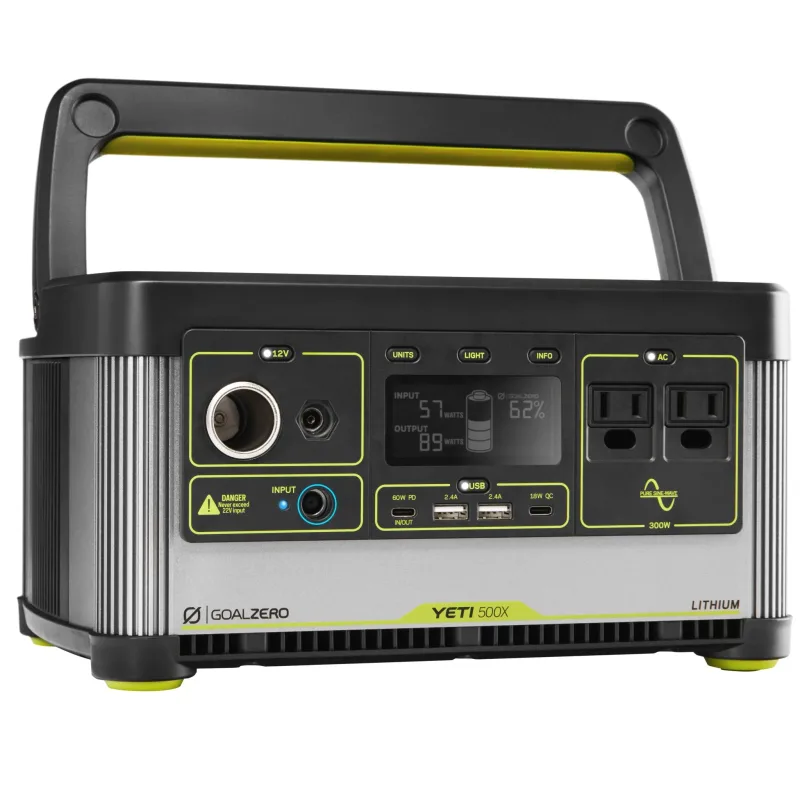
- Mid-size flexibility: The Yeti 500X adds enough capacity for a mini fridge, CPAP machine, or camera batteries over a weekend.
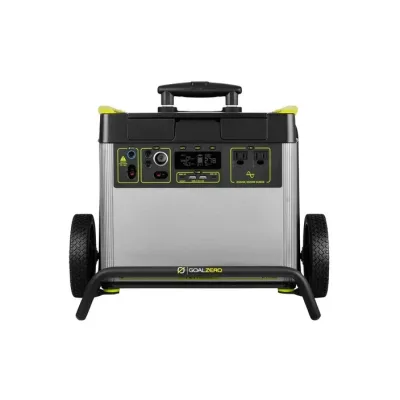
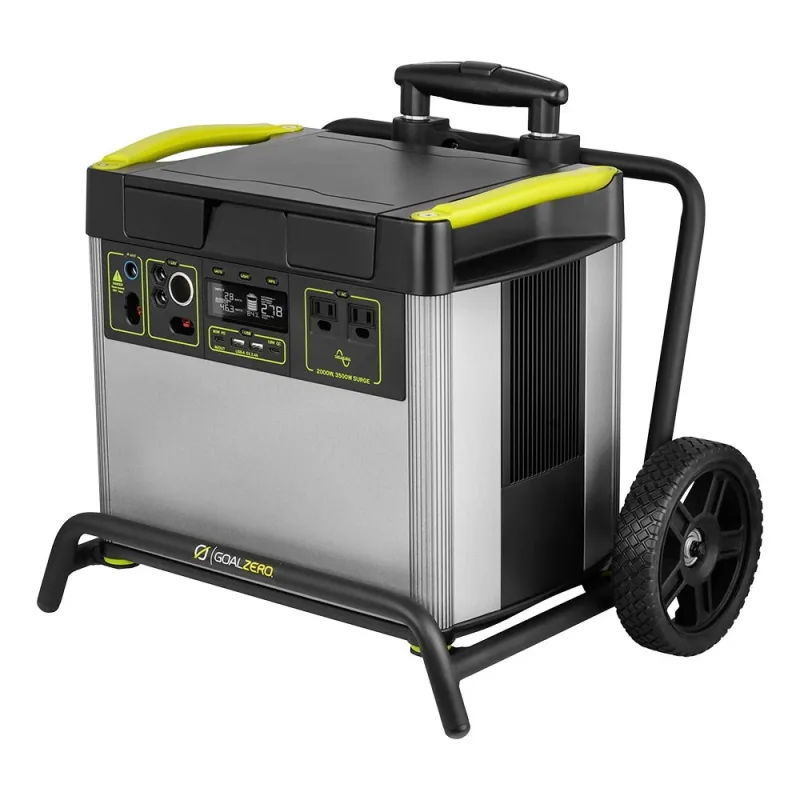
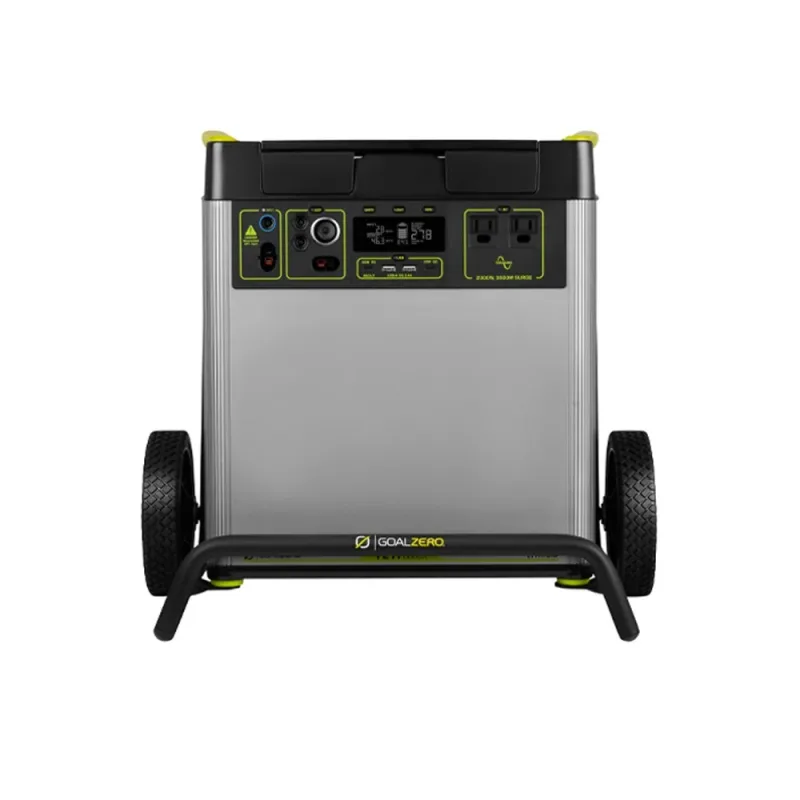
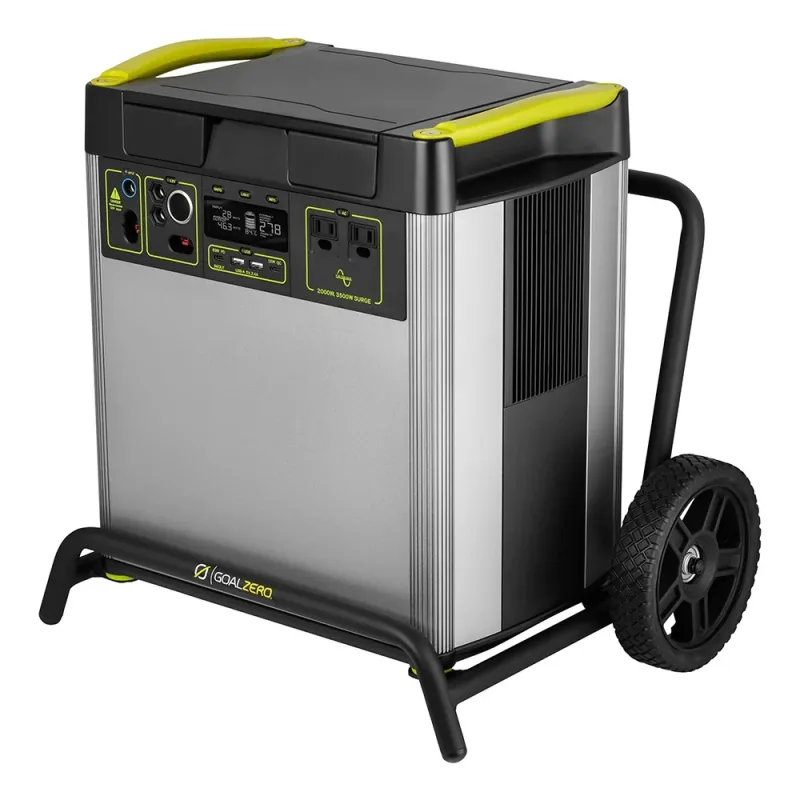
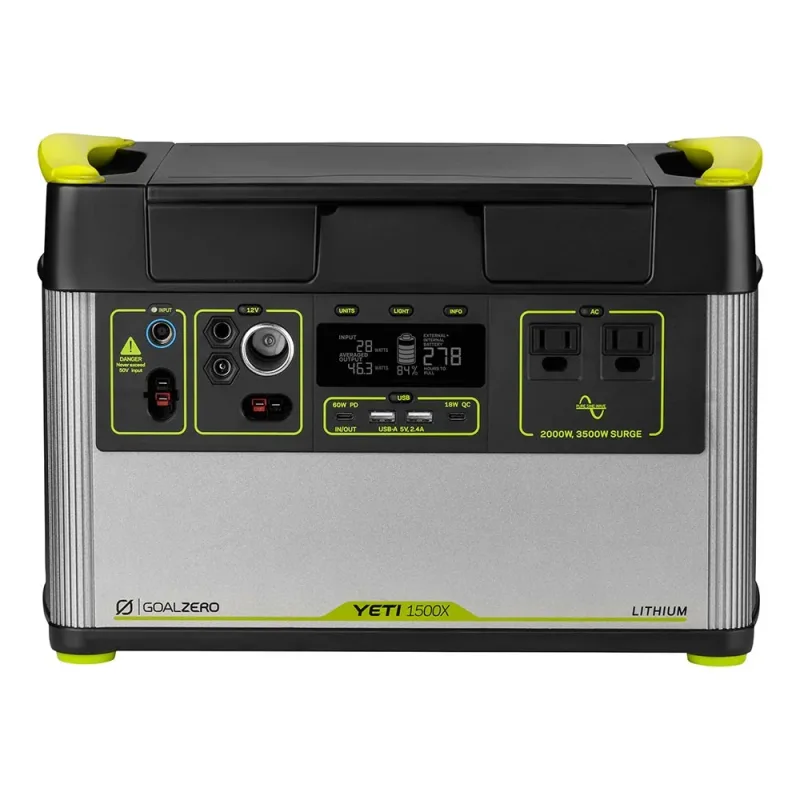
- Longer trips and serious backup: Larger units such as the Yeti 3000X and Yeti 6000X can carry a household through an extended outage or run power tools off-grid.
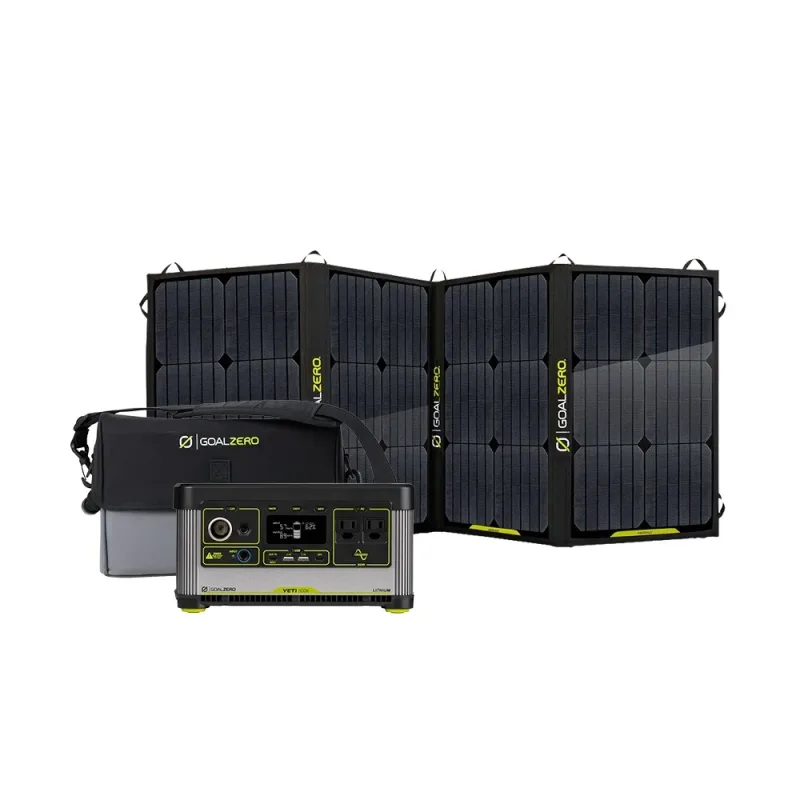
If you would rather buy a station and panel together, Goal Zero sells bundled kits, including the Yeti 500X + Nomad 100 Solar Generator, which pairs a mid-size station with a high-output panel in a single package.
Pairing Solar Panels for Faster Recharging
Solar panels are rated in watts, and more watts means a faster recharge. Nomad panels fold down for transport and chain together with Goal Zero's proprietary connectors.
- Nomad 5 and Nomad 10: Small, packable panels ideal for keeping a power bank topped up on a day hike.
- Nomad 50 and Nomad 200: Mid and large panels that meaningfully recharge Yeti stations during a sunny afternoon.
- Boulder panels: Rigid, mountable panels designed for semi-permanent installations such as a van roof or cabin.
Match panel wattage to your station's maximum input for the best results. A small panel will still charge a large station—it just takes longer.
Expanding and Integrating Your System
One of the strengths of the Goal Zero ecosystem is that it grows with you. Expansion modules let you add battery capacity, and vehicle integration kits let you charge while you drive.
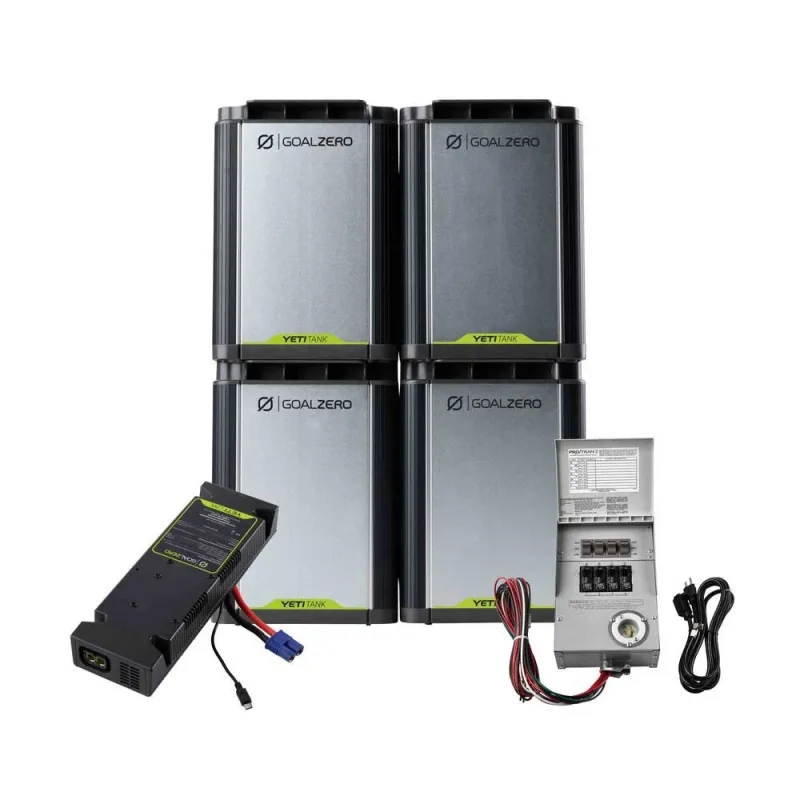
- Expansion kits: Adding capacity is straightforward with products like the 4800Wh Yeti Expansion Kit with HIK.
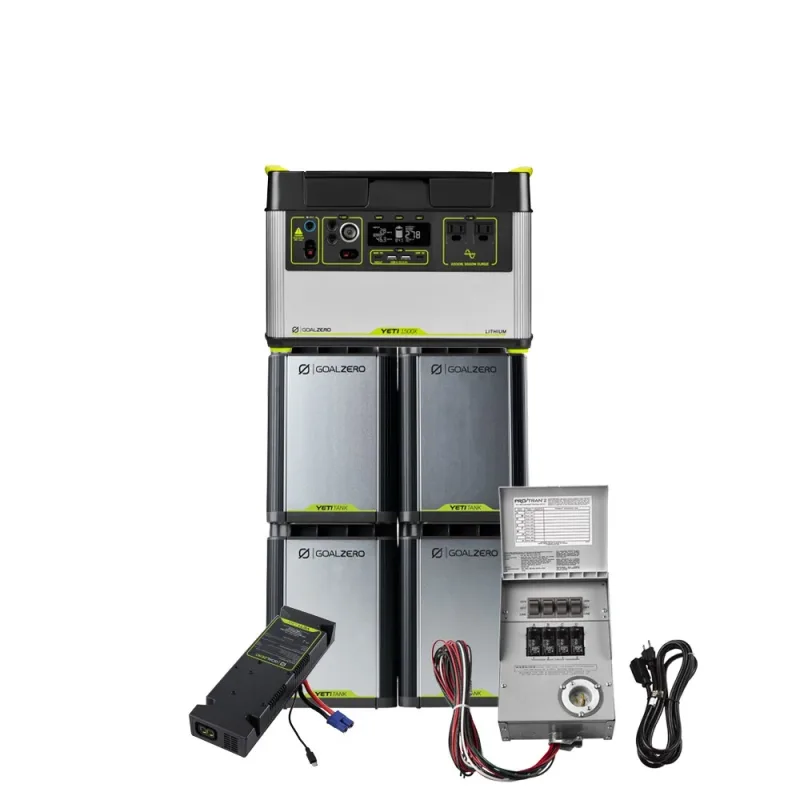
- Home backup systems: For whole-home readiness, preconfigured systems such as the 6300Wh Home Backup System combine storage and integration hardware.
- Cables and controllers: Charge controllers and connection cables keep every component talking to each other safely.
Accessories That Complete the Setup
Small add-ons often make the biggest difference in daily use.
- Lighting: Lanterns like the Lighthouse 600 and the compact Lighthouse Micro Charge turn your station into a room-filling light source during an outage.
- Protection: Cases and sleeves shield your investment from dust, drops, and weather.
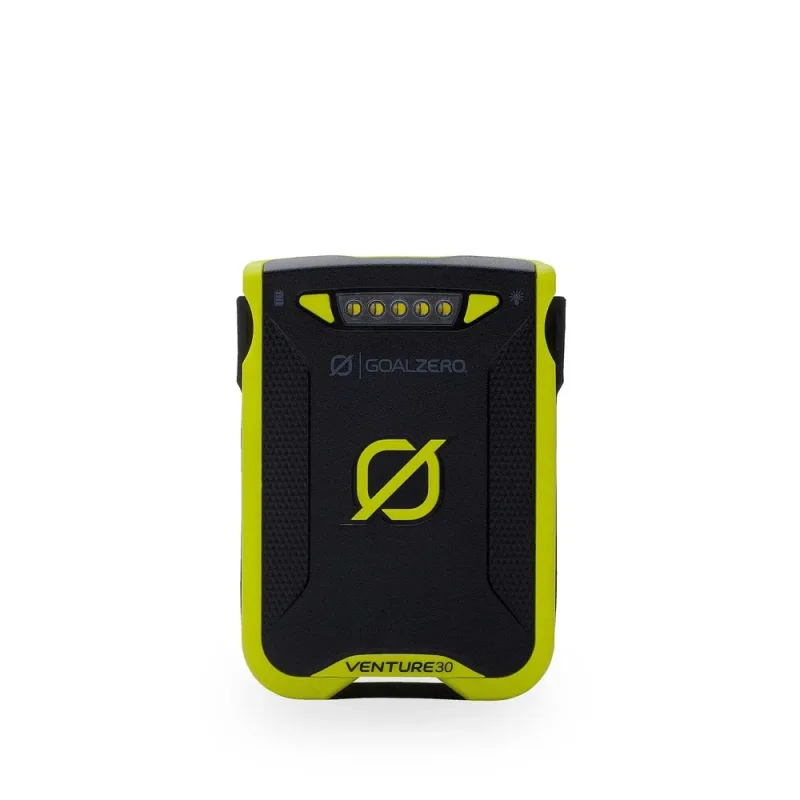
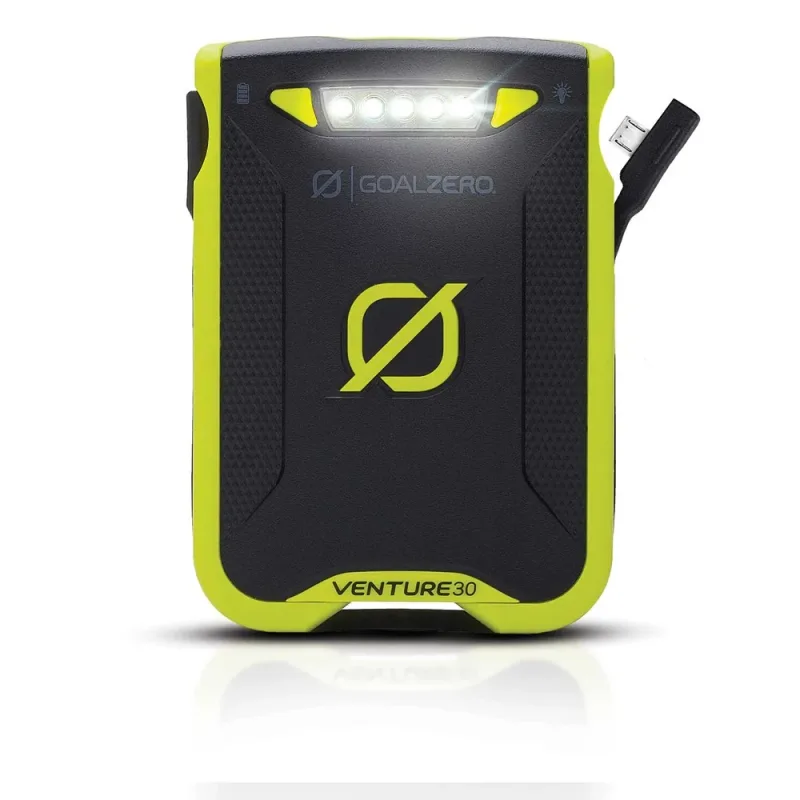
- Power banks: Handheld options such as the Venture 30 Power Bank keep your phone charged when you leave the station behind.
How to Decide
Start by listing what you need to run and for how long. Add up the watt-hours, then choose a station with some headroom. Pick a solar panel that matches your typical sun exposure, and add expansion or vehicle charging only if you plan to rely on the system regularly. With a clear picture of your needs, a Goal Zero setup can cover everything from a weekend campsite to a multi-day blackout.