Portable Power, Explained Simply
A portable power station stores electricity in a battery so you can run lights, phones, laptops, fans, and small appliances wherever you are. Paired with a solar panel, it becomes a solar generator that refills itself from the sun. The Goal Zero Yeti family and the Nomad and Boulder panel lines cover everything from a weekend campsite to a whole-home backup plan, so the real question is which combination fits your life.
Yeti 500, Yeti 700, Yeti 1000 Core, and Yeti 1500
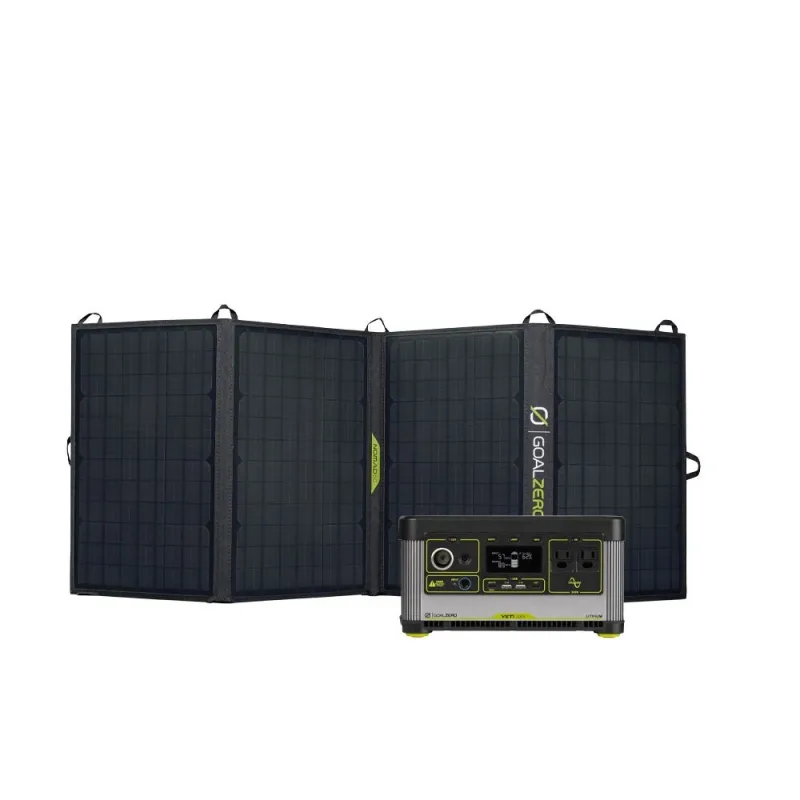
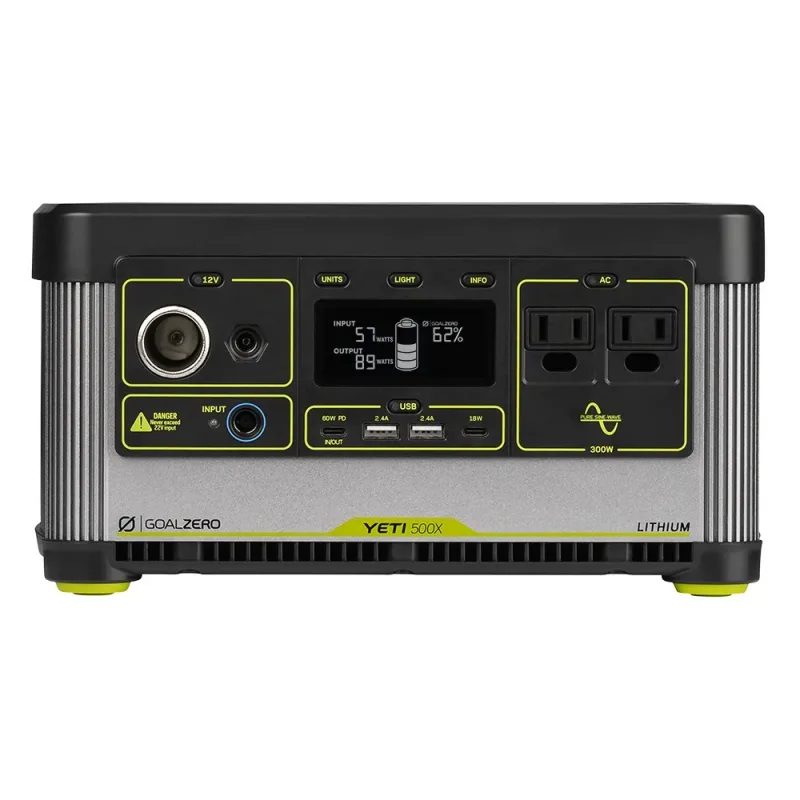
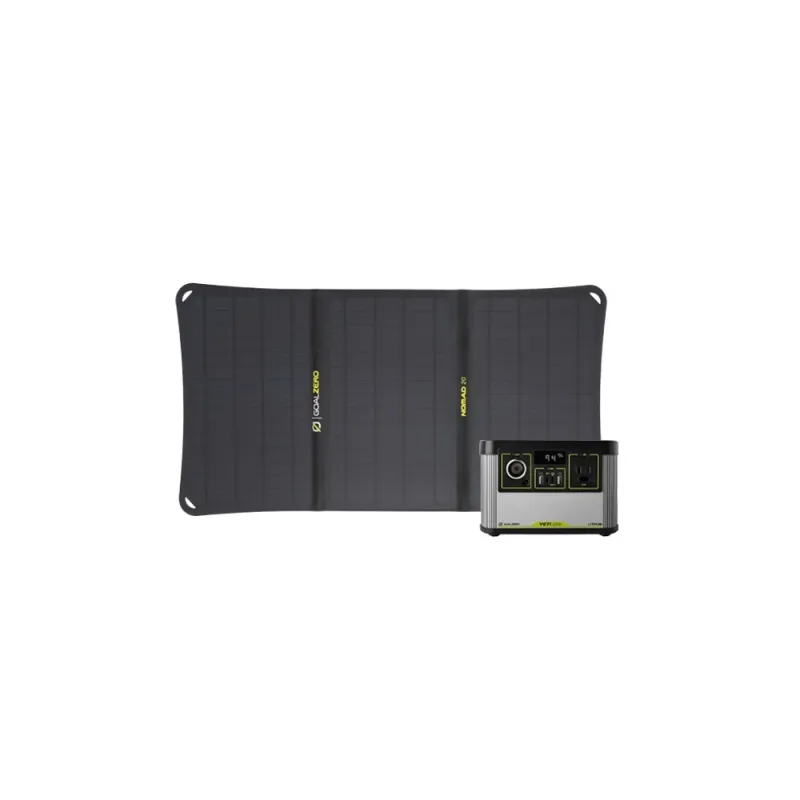
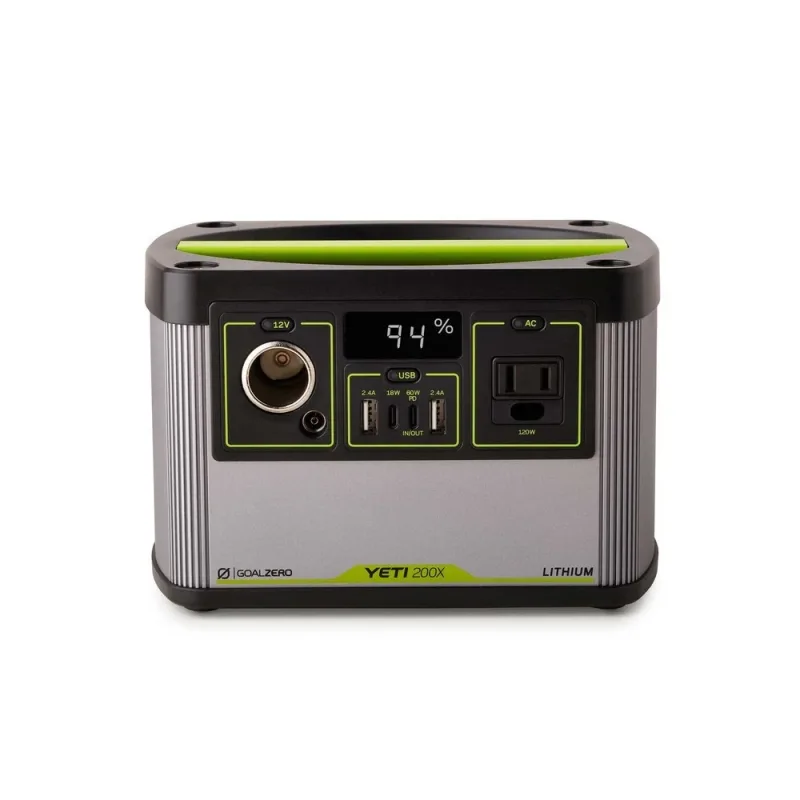
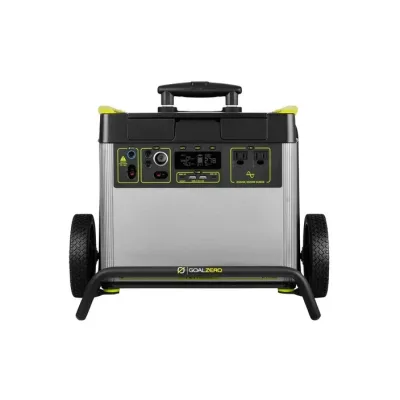
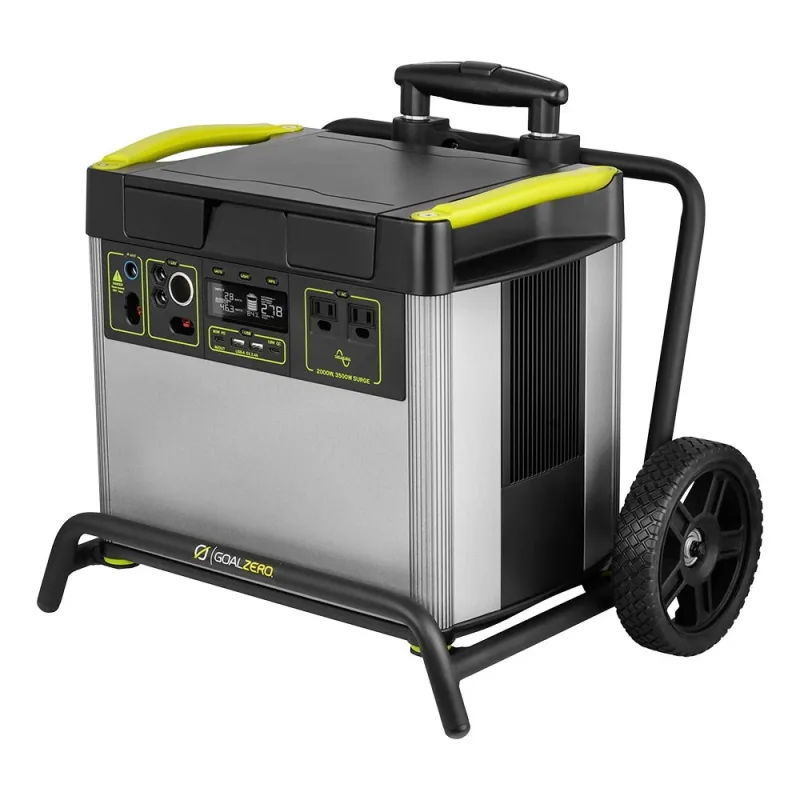
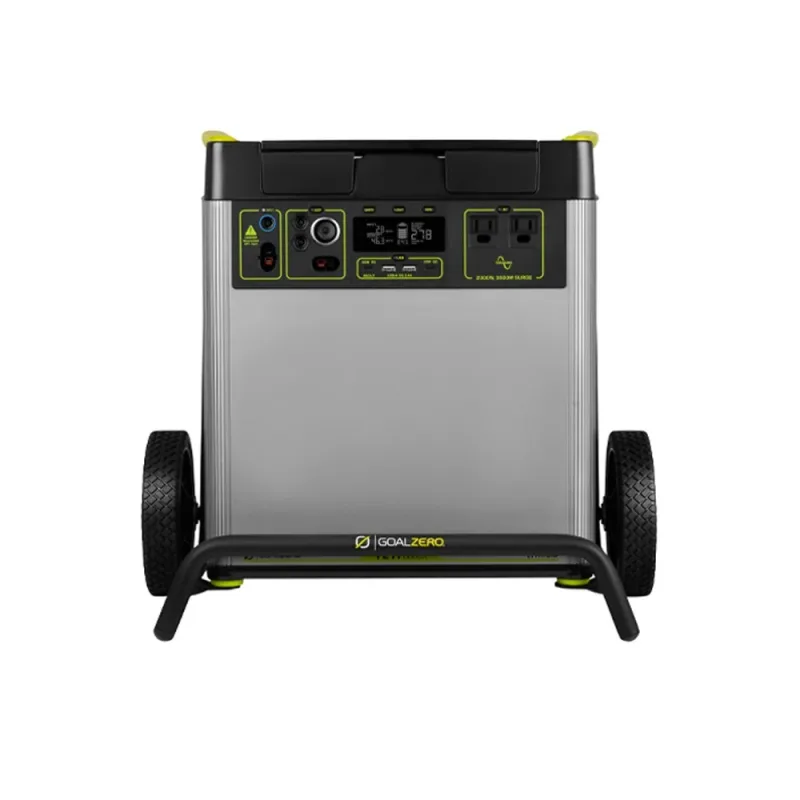
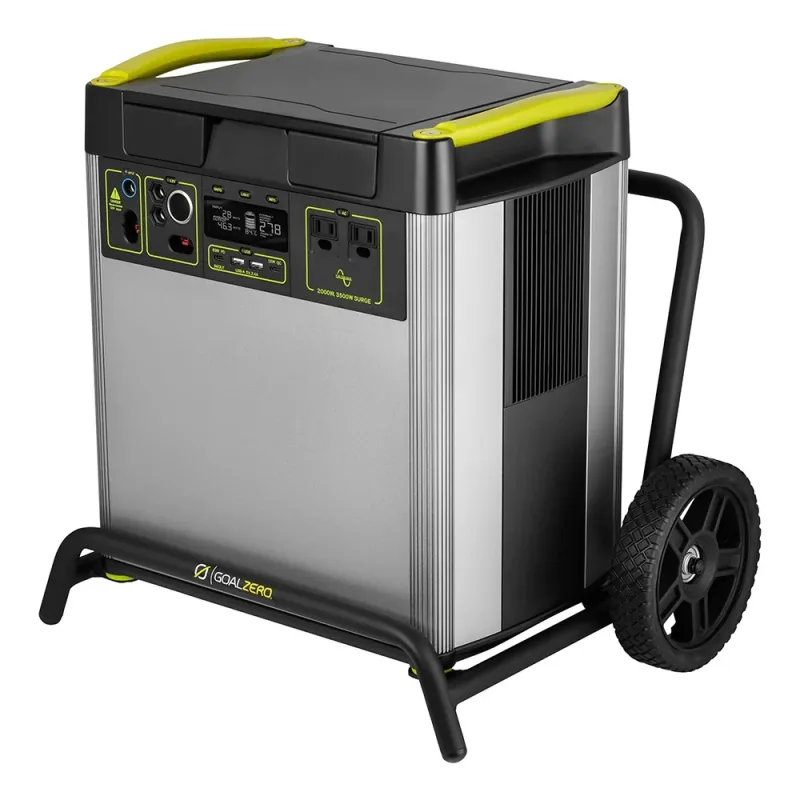
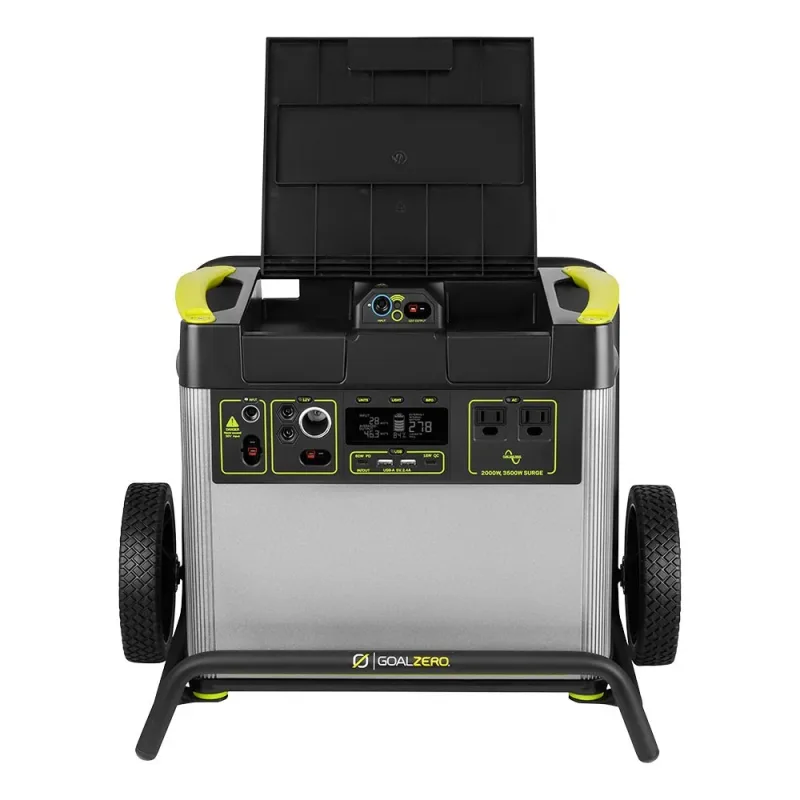
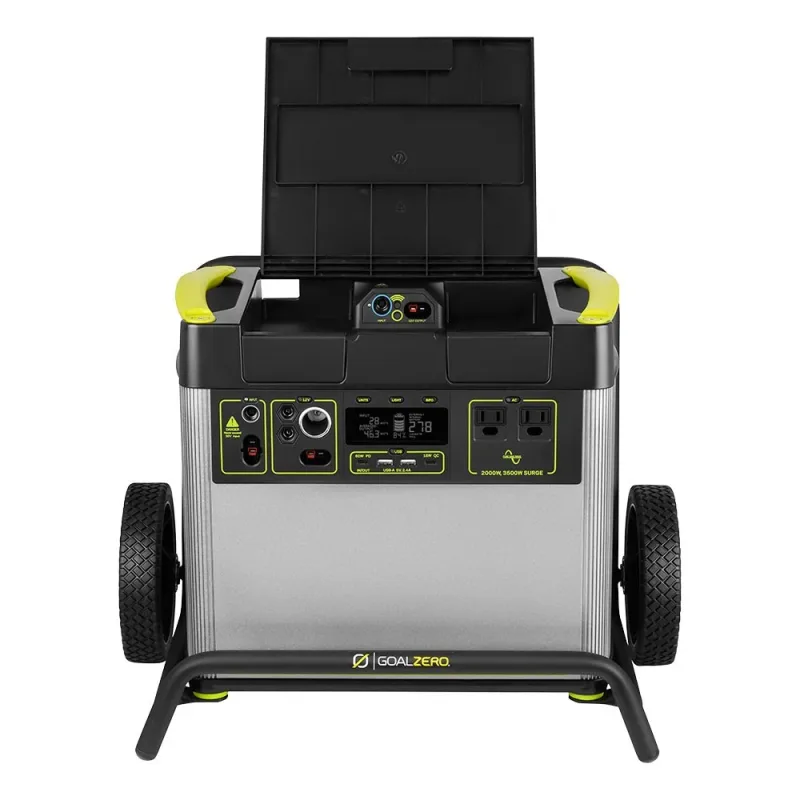
Small stations handle phones, cameras, and lights. Mid-size models add laptops, drones, and portable fridges. Larger units can run a fridge, a CPAP machine, or a router and modem for hours. A good starting point for car campers is the Yeti 500X + Nomad 50 Solar Generator, which balances capacity with a packable panel. If you want a lighter kit for day trips, look at the Yeti 200X + Nomad 20 Solar Generator. For a van build or a small off-grid cabin, step up to the Yeti 3000X or the Yeti 6000X, where higher capacity means more appliances and longer runtime between charges.
Choosing a Solar Panel
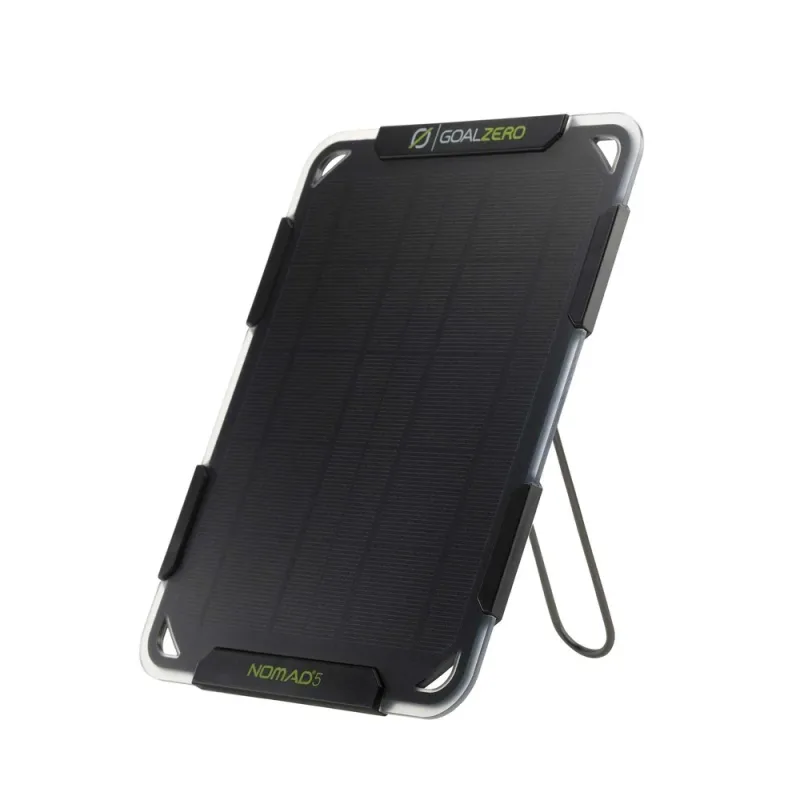
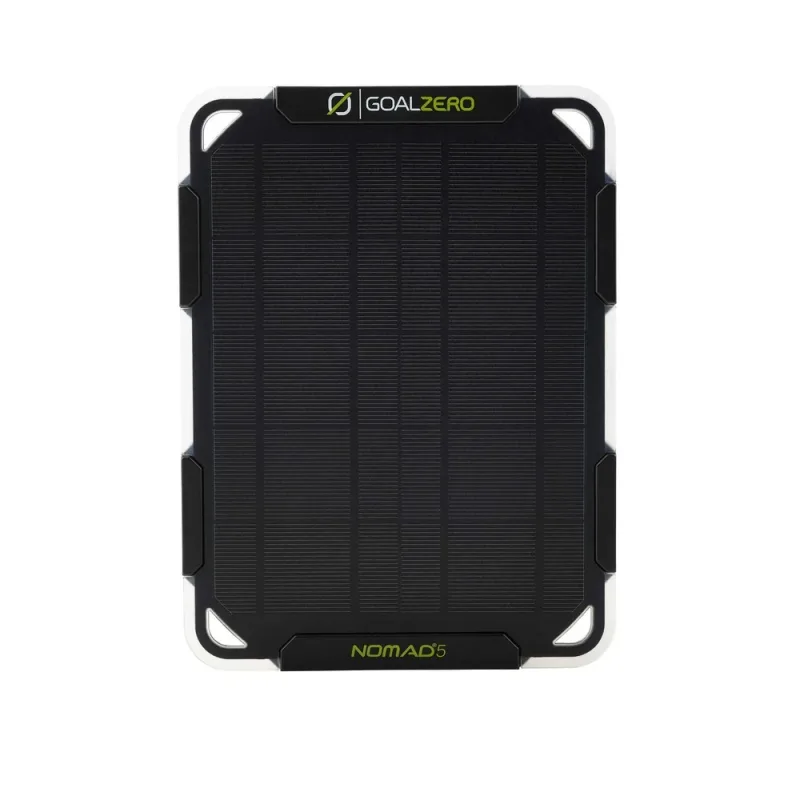
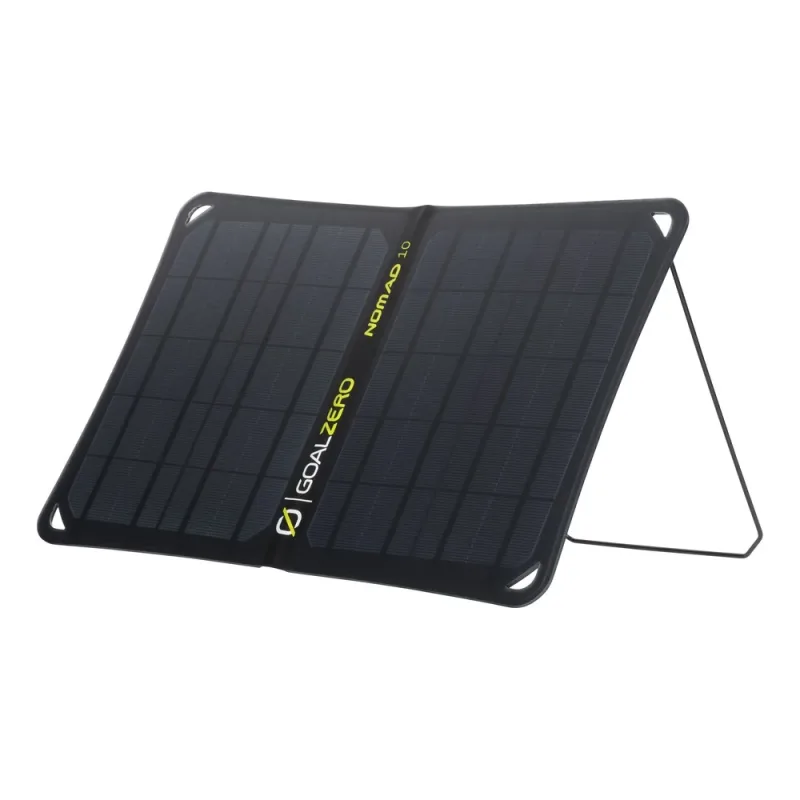
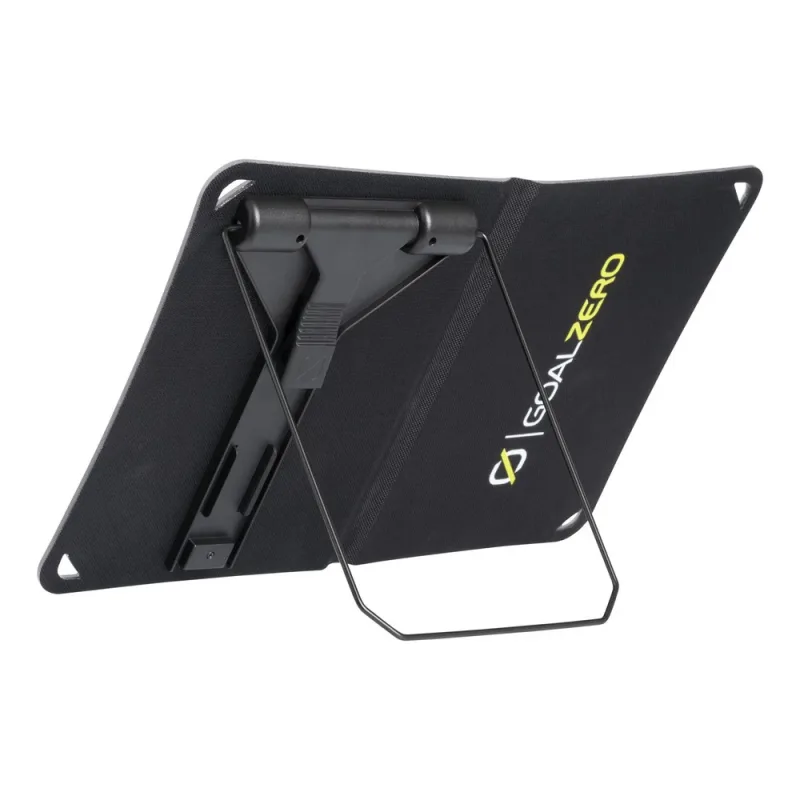
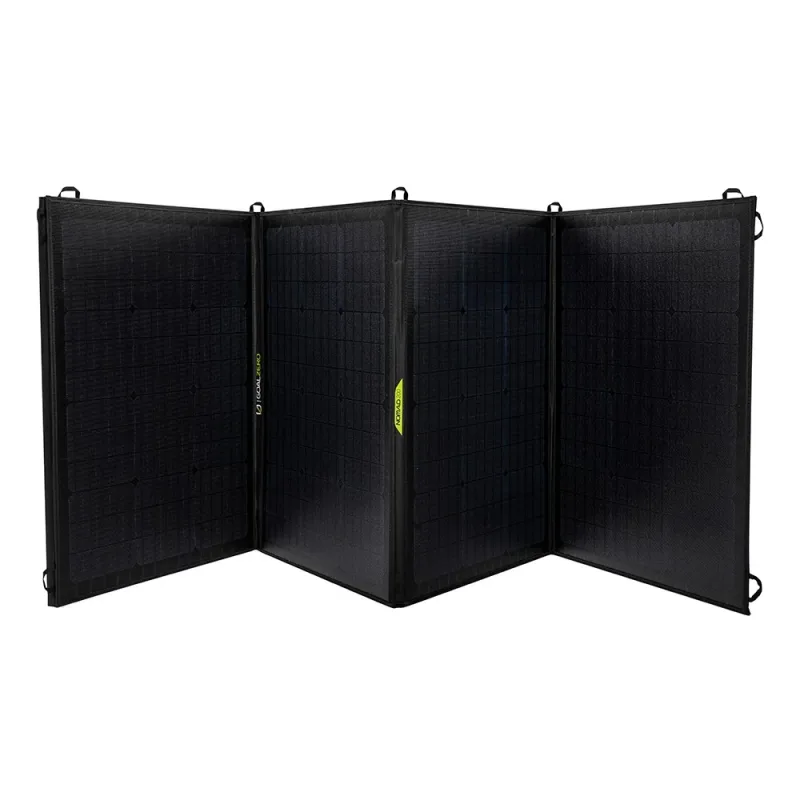
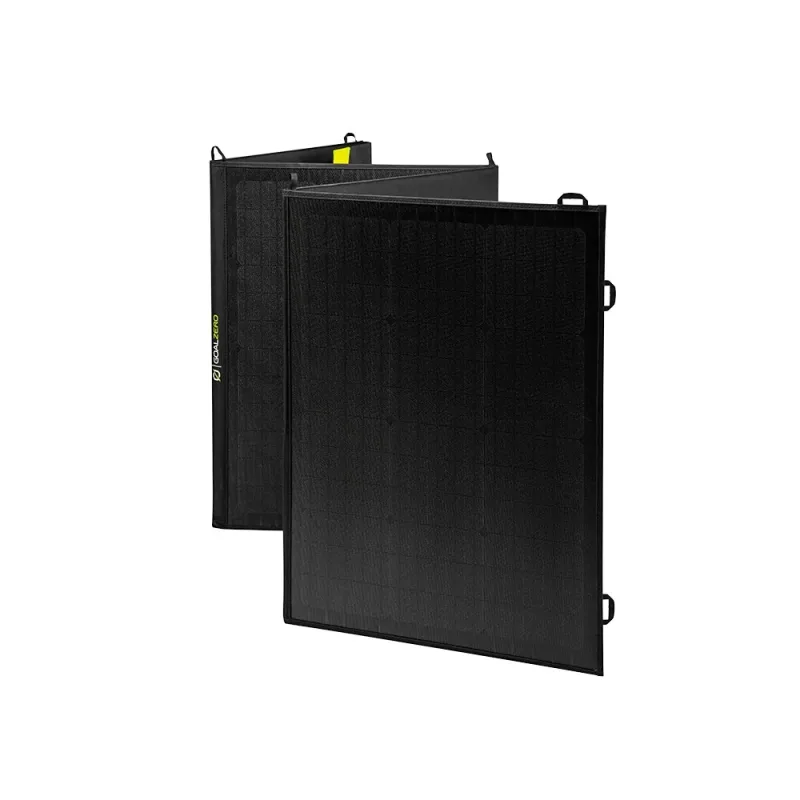
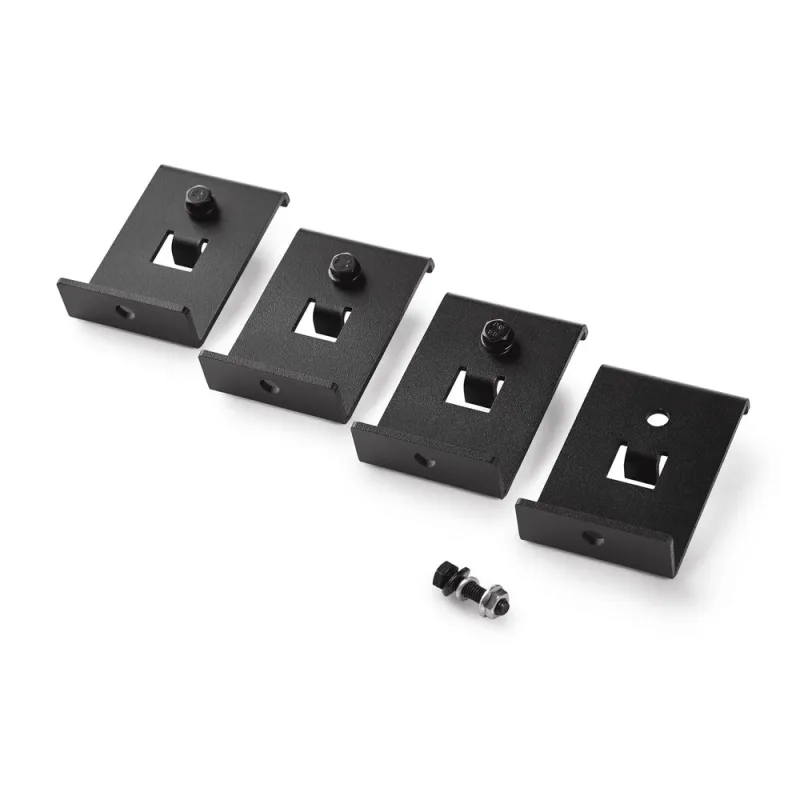
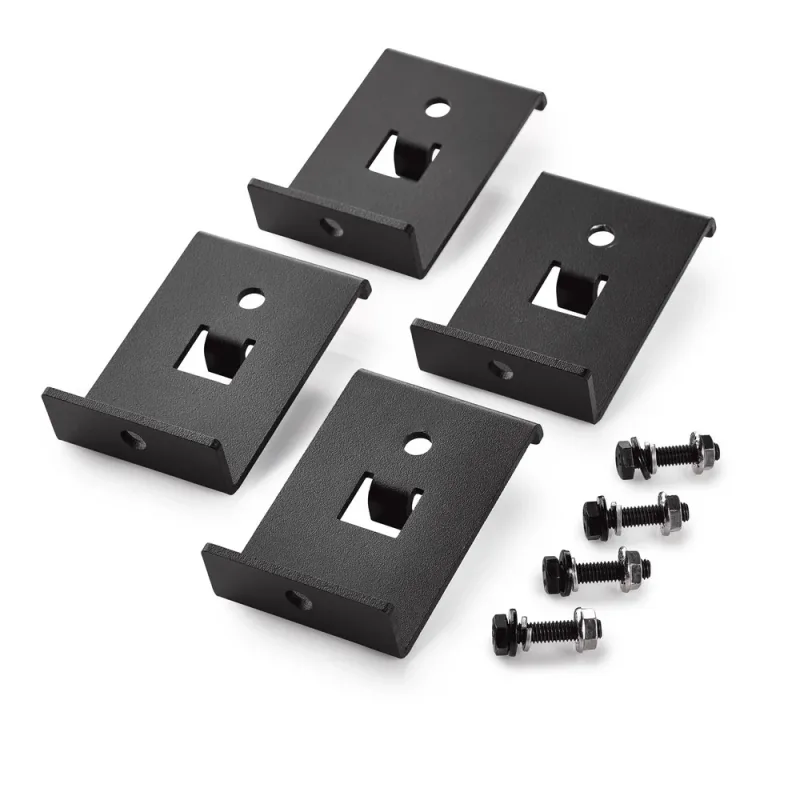
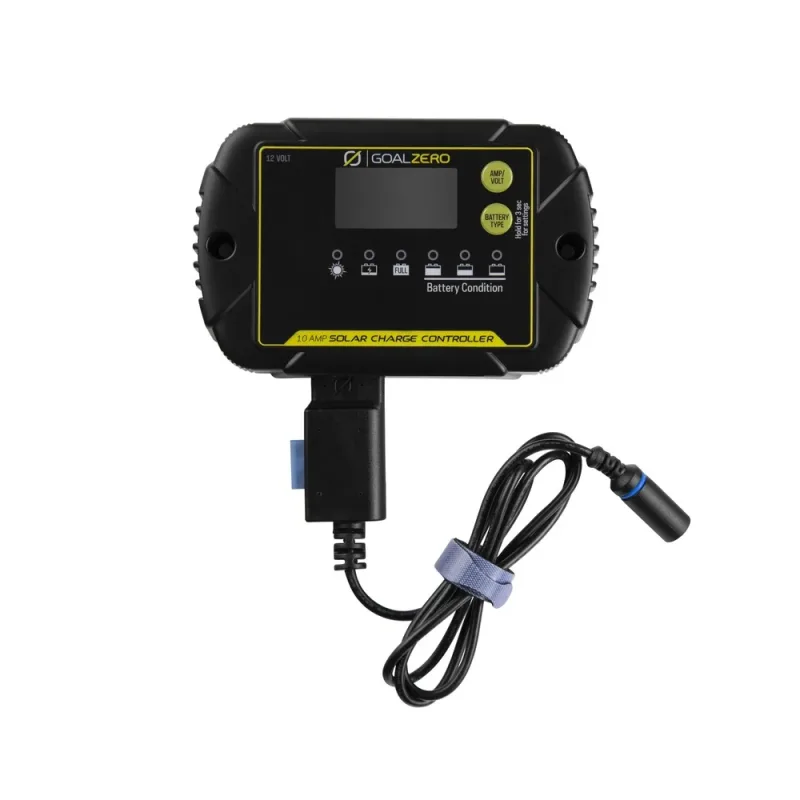
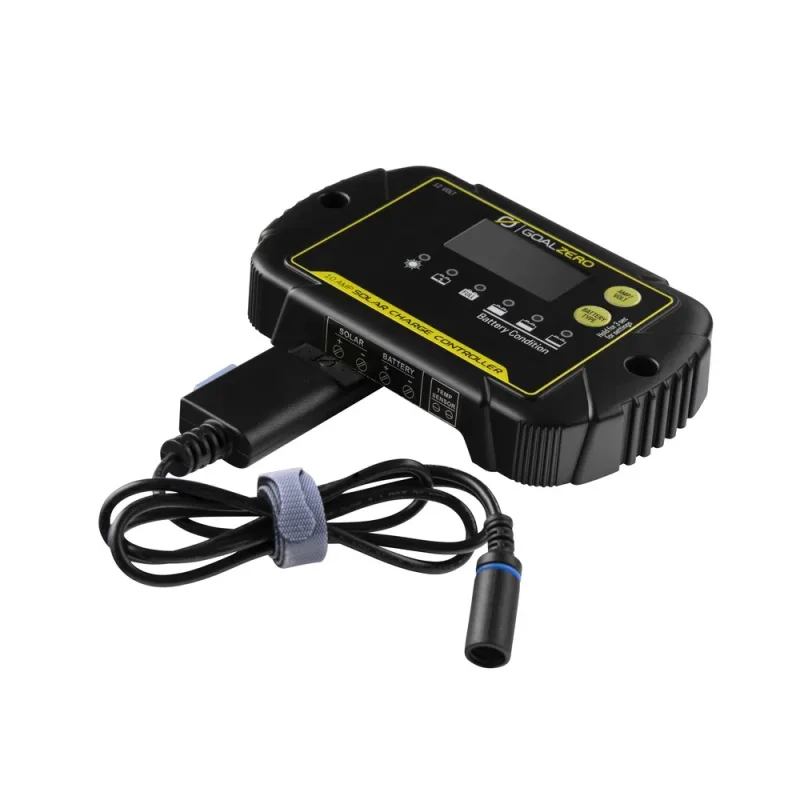
Panels are rated in watts, and the number you need depends on how fast you want to recharge. Nomad panels are foldable and portable; Boulder panels are rigid and often mounted permanently. The Nomad 5 and Nomad 10 are ideal for keeping a phone or power bank topped up on a hike. The Nomad 200 is a serious folding panel for larger stations. If you are mounting panels on a roof or trailer, the Boulder Mounting Brackets (4 Pack) make a clean, secure installation. A 10-Amp Charge Controller helps regulate charging when you build a custom panel array.
Matching Panel to Station
- Small kits (under 500Wh): Nomad 5, Nomad 10, or Nomad 20.
- Mid-size stations: Nomad 50, Nomad 100, or Boulder 50.
- Large stations and expansion: Nomad 200 or multiple Boulder panels wired together.
Home Backup and Expansion
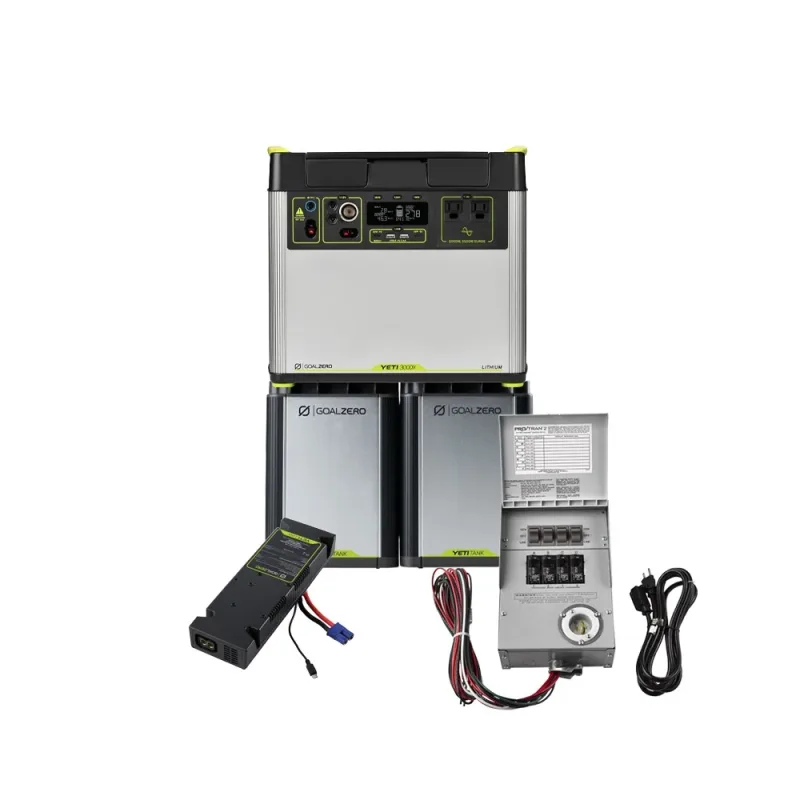
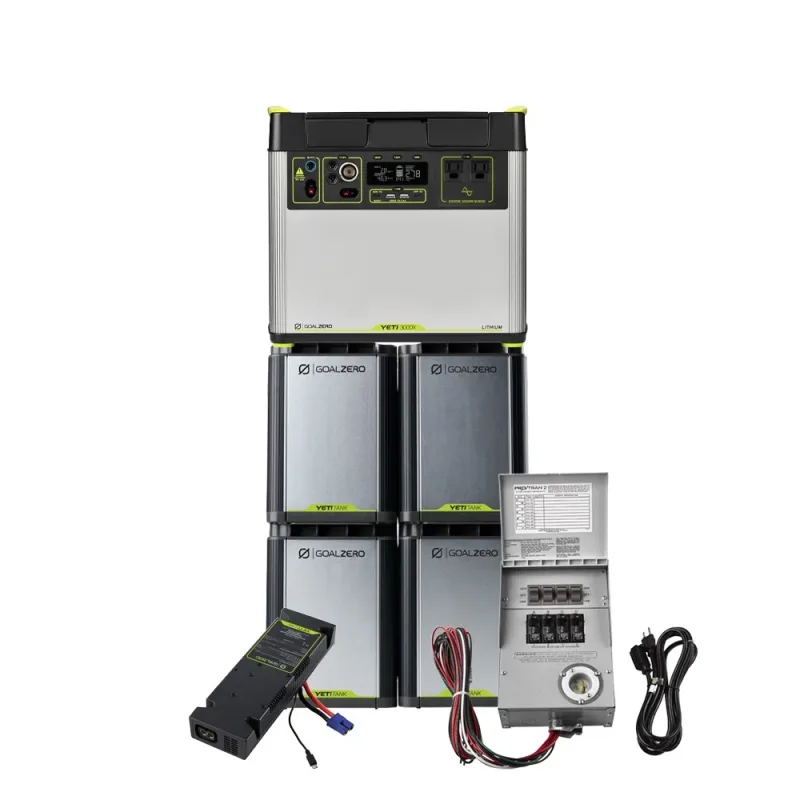
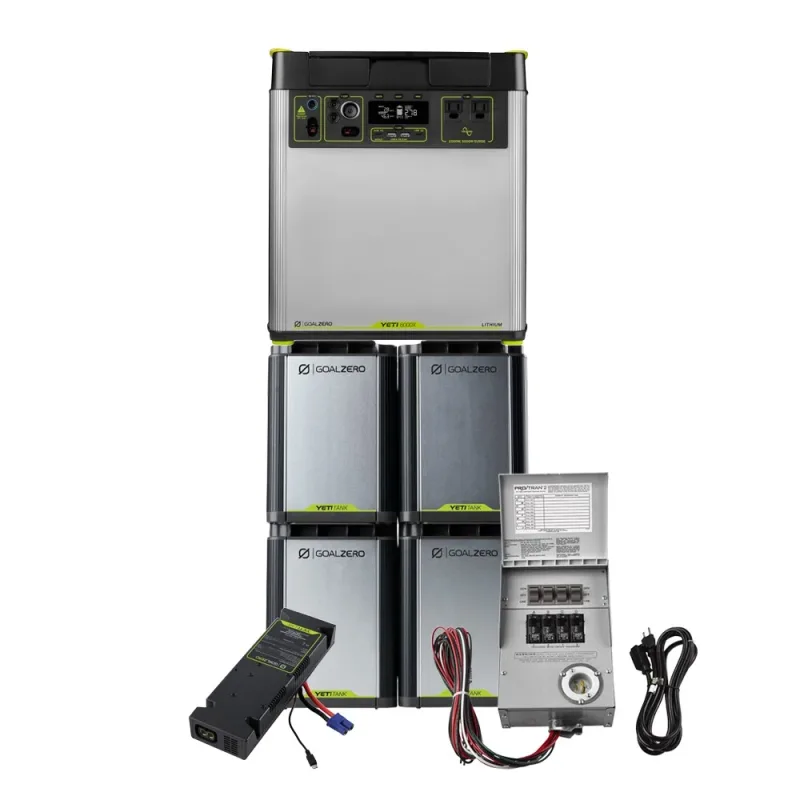
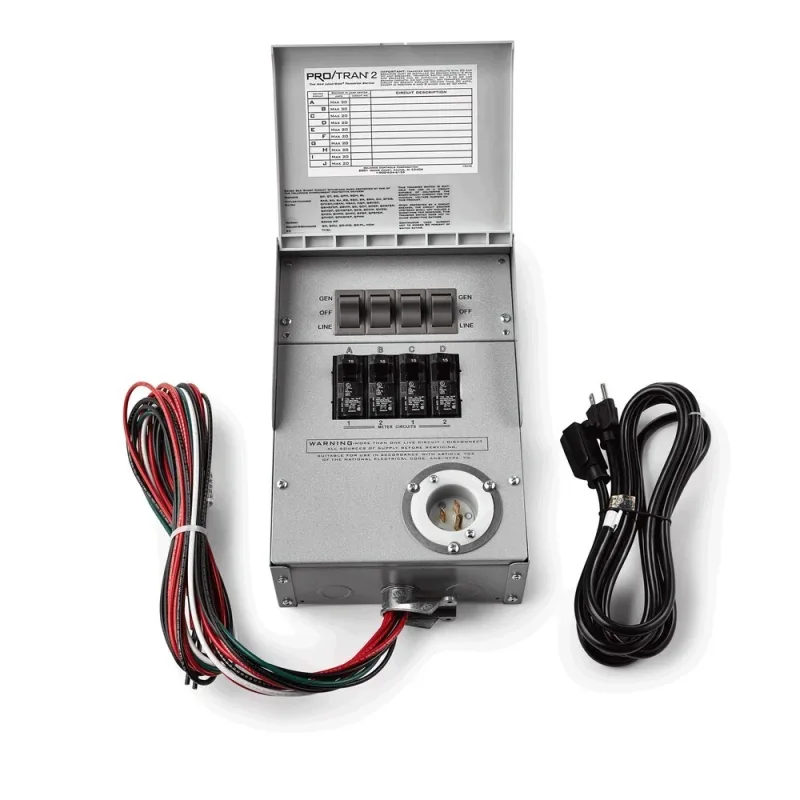
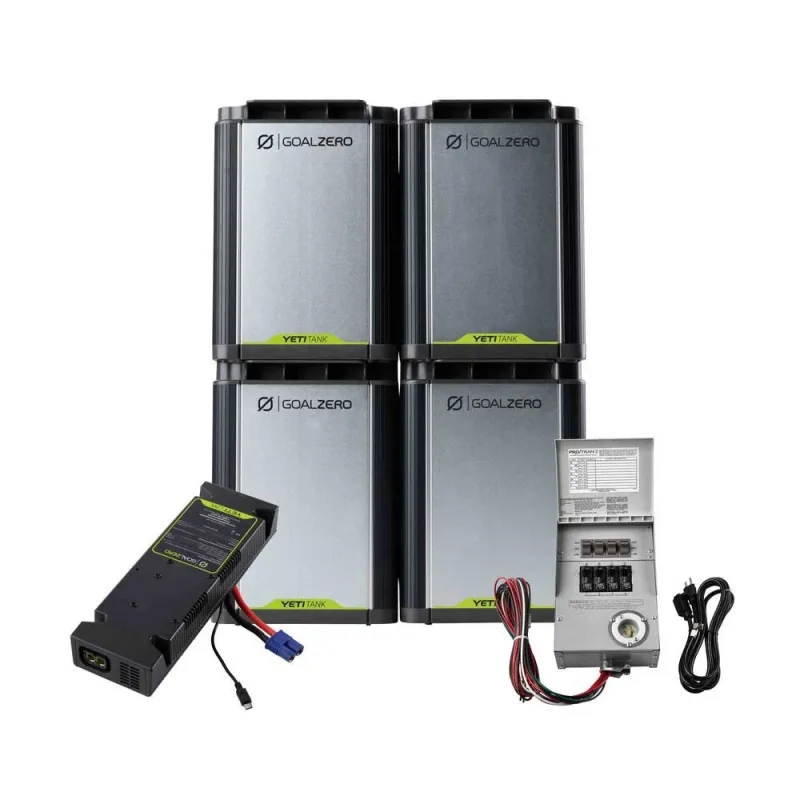
Home backup systems combine a large battery with a transfer switch so essential circuits keep running during an outage. The 5400Wh Home Backup System, 7800Wh Home Backup System, and 10800Wh Home Backup System scale up to cover longer outages and bigger loads. If you already own a Yeti, the 4800Wh Yeti Expansion Kit with HIK adds capacity without replacing your station. Cables matter too — a proper solar extension cable lets you place panels in the sun while the station stays in the shade.
Lighting and Everyday Accessories
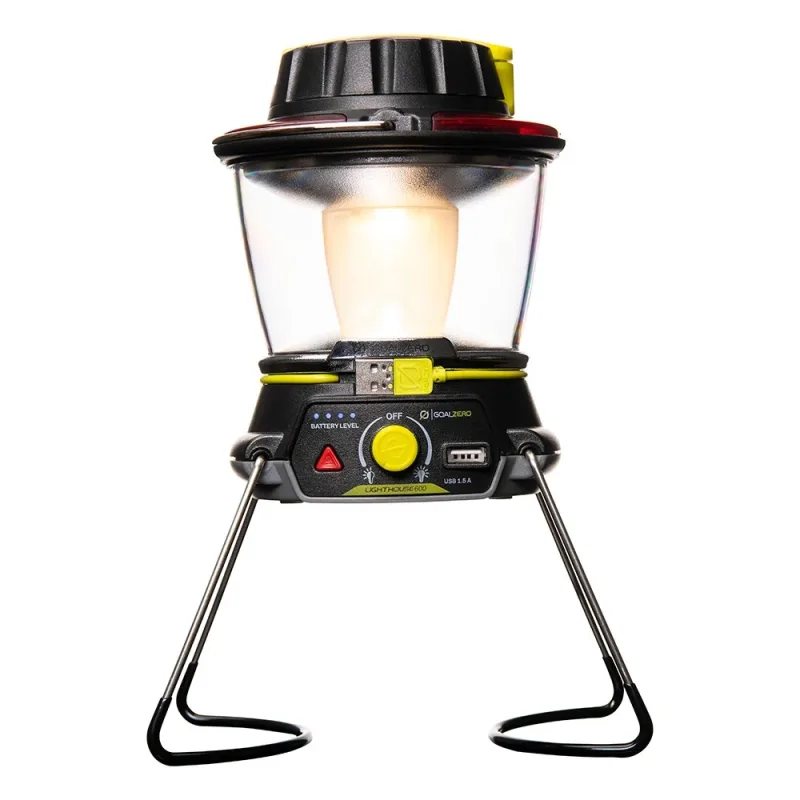
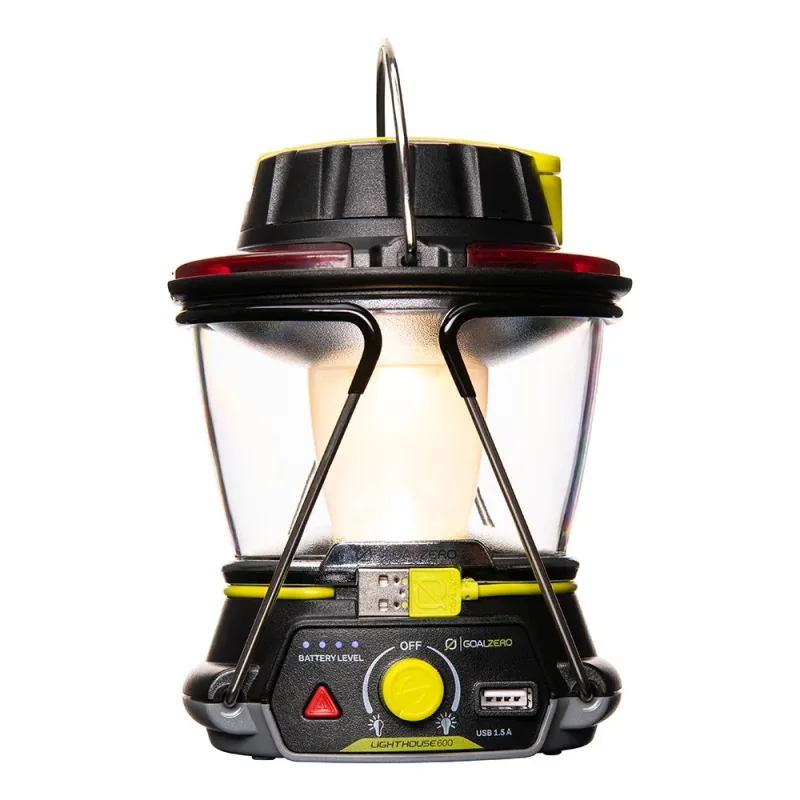
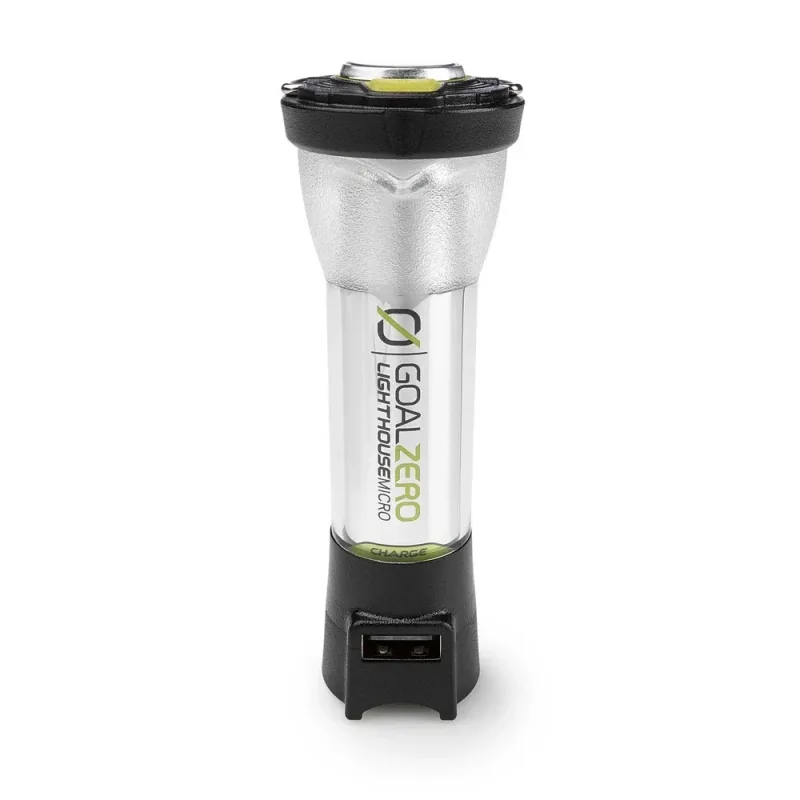
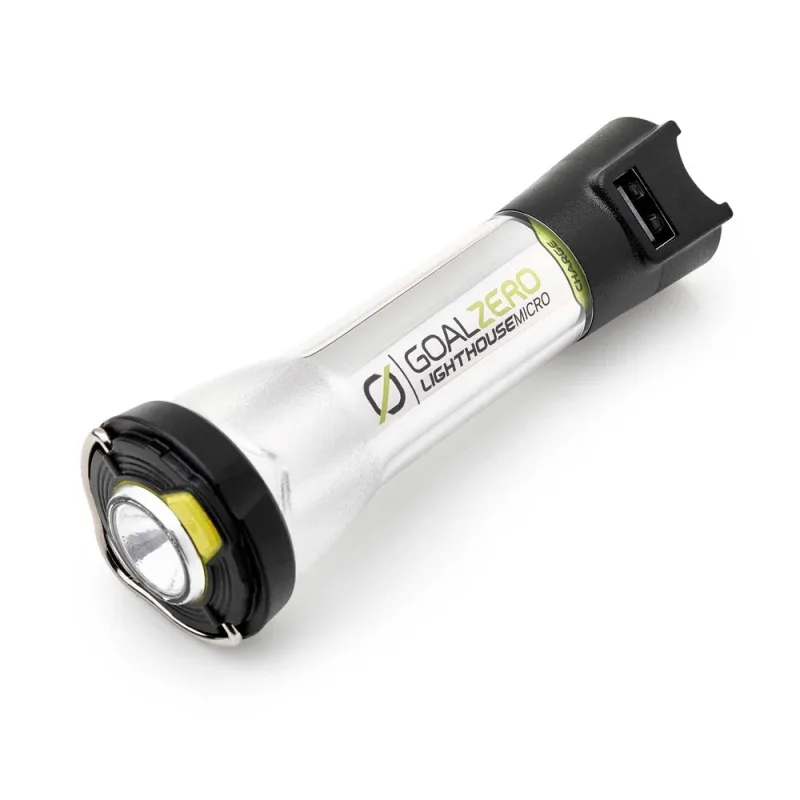
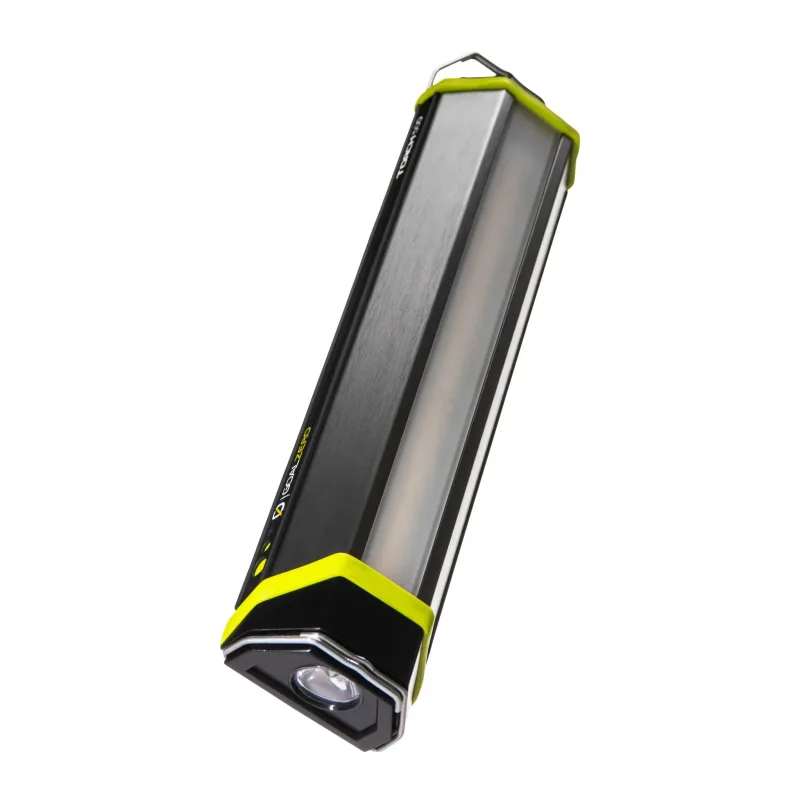
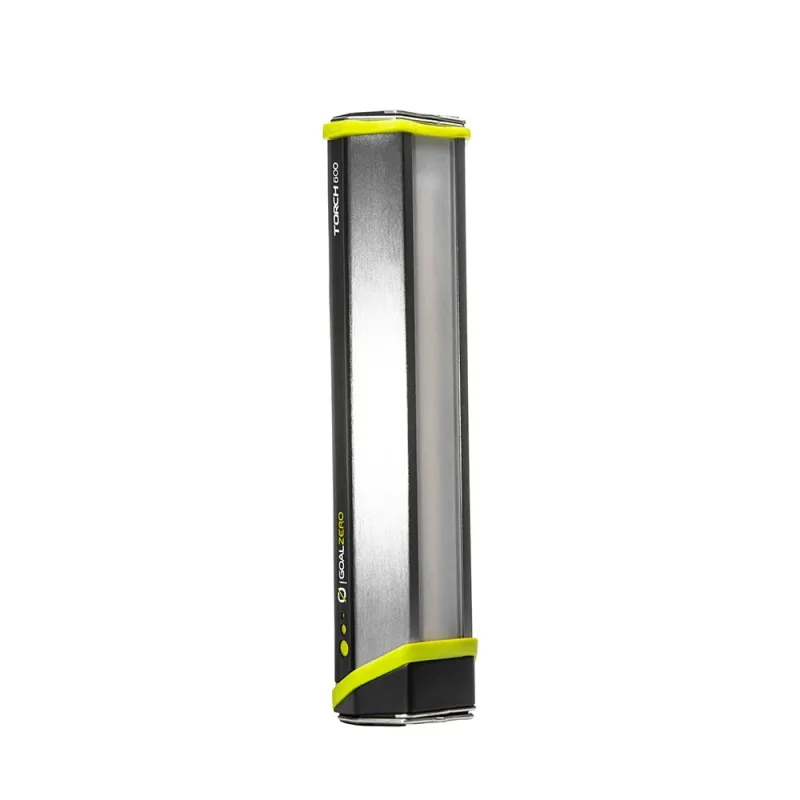
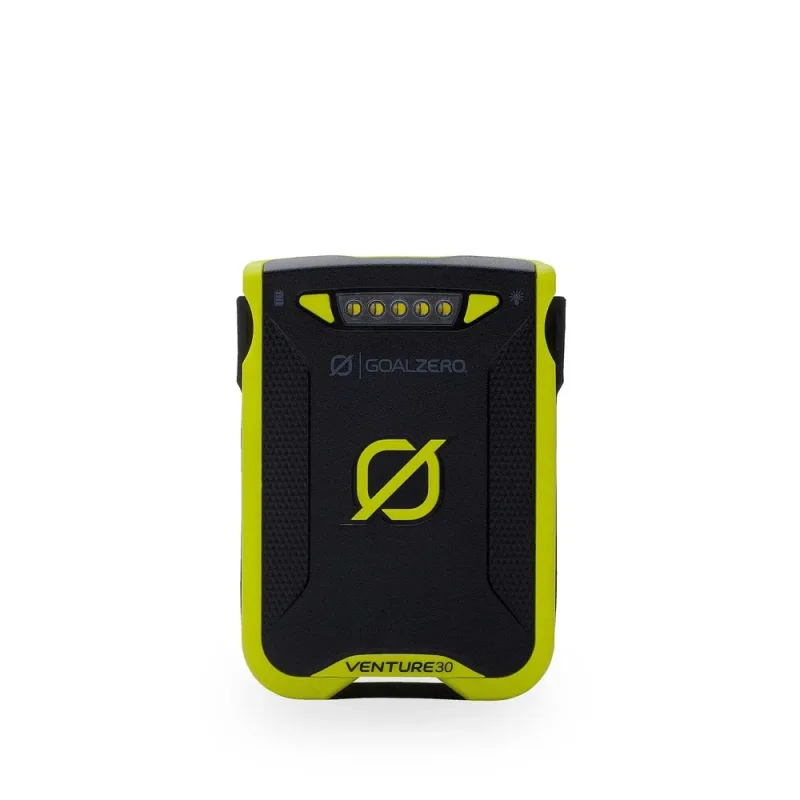
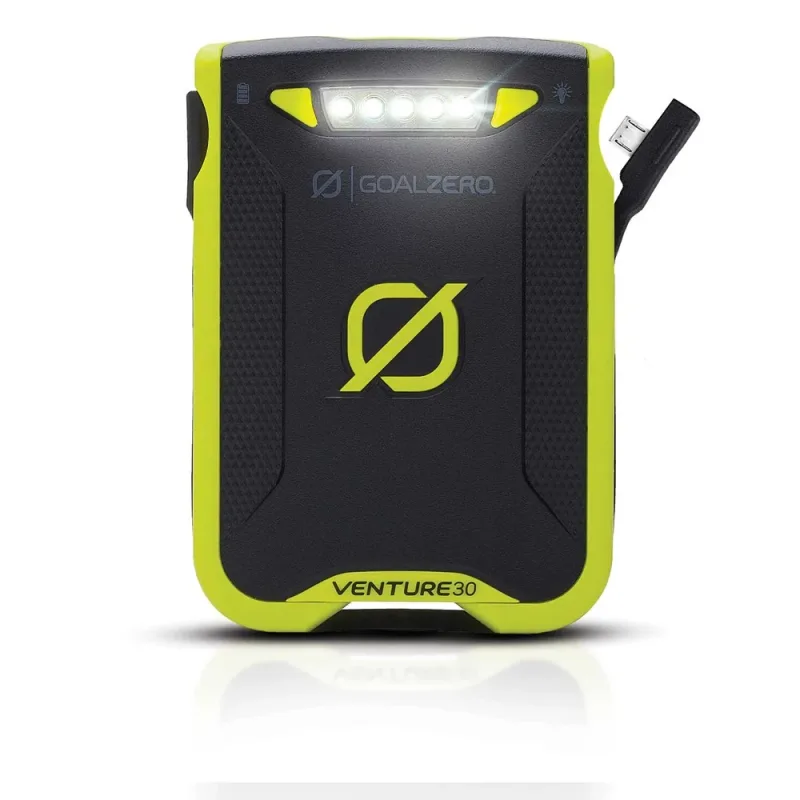
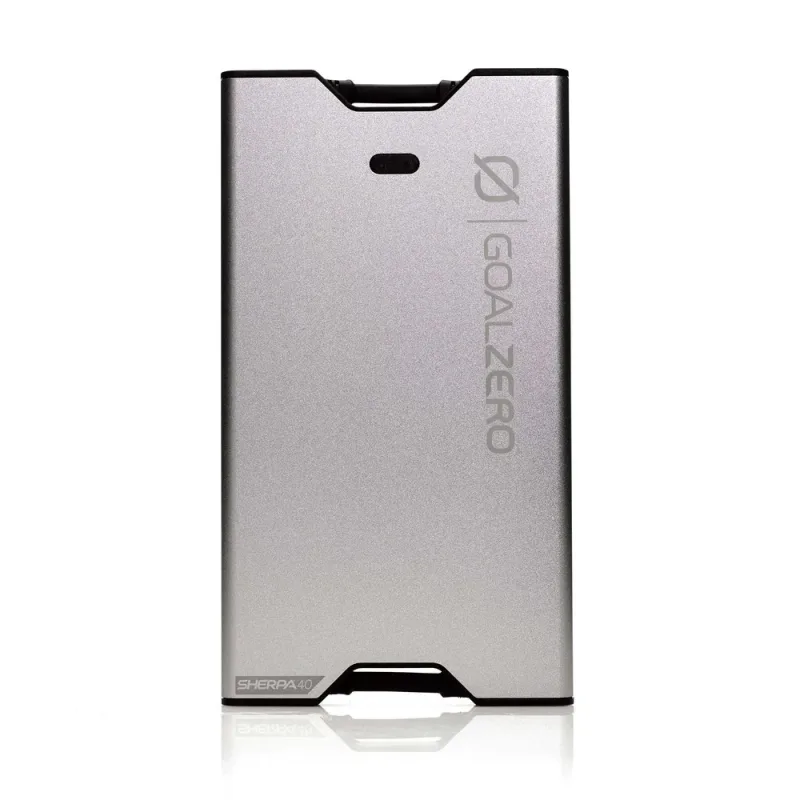
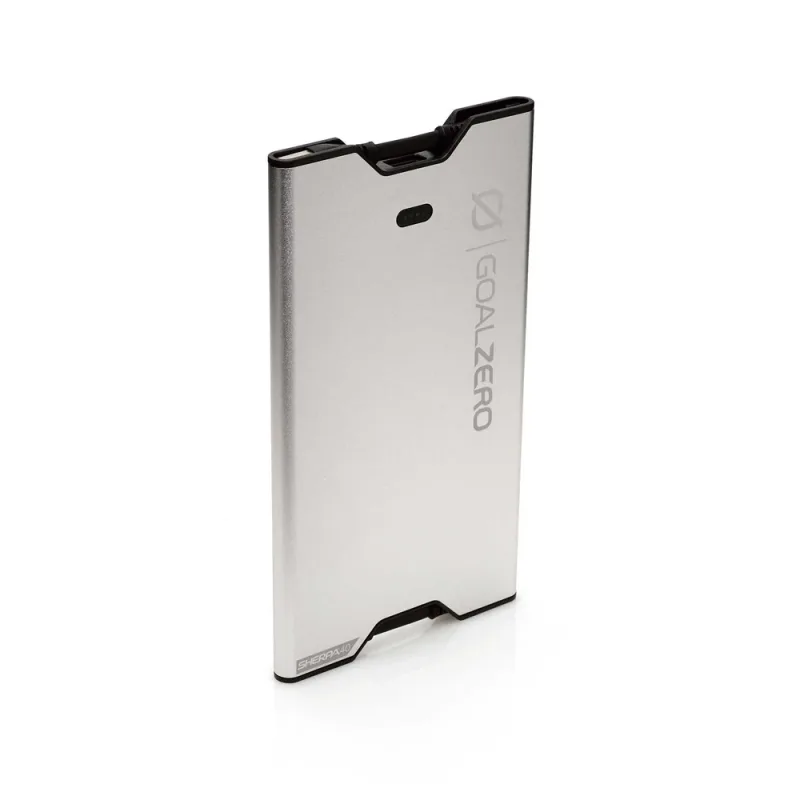
Power is only useful if you can use it. The Lighthouse 600 Lantern & USB Power Hub lights a room and charges devices at the same time, while the Lighthouse Micro Charge USB Rechargeable Lantern clips to a tent or backpack. For handheld light, the Torch 500 Multi-Purpose Light covers spotlight, flood, and strobe modes. Power banks like the Venture 30 Power Bank and Sherpa 40 Power Bank keep your phone alive between station charges, and a Three Pack USB to Lightning 4-Inch Cable is the kind of small item that saves a trip.
Match the Setup to Your Needs
- Camping and tailgating: a 200–500Wh station with a Nomad 20 or Nomad 50 panel.
- Van life and overlanding: a 1000–3000Wh station with a Nomad 100 or Nomad 200 panel, plus a second panel for faster recharge.
- Emergency home backup: a 5400Wh–10800Wh Home Backup System or a large Yeti with an expansion kit.
Start with the devices you actually need to run, add up their wattage, and estimate how many hours a day you will use them. That number tells you the capacity you need; your available sunlight and panel wattage tell you how fast you can refill. Build the system around those two figures and you will avoid both overspending and running out of power.