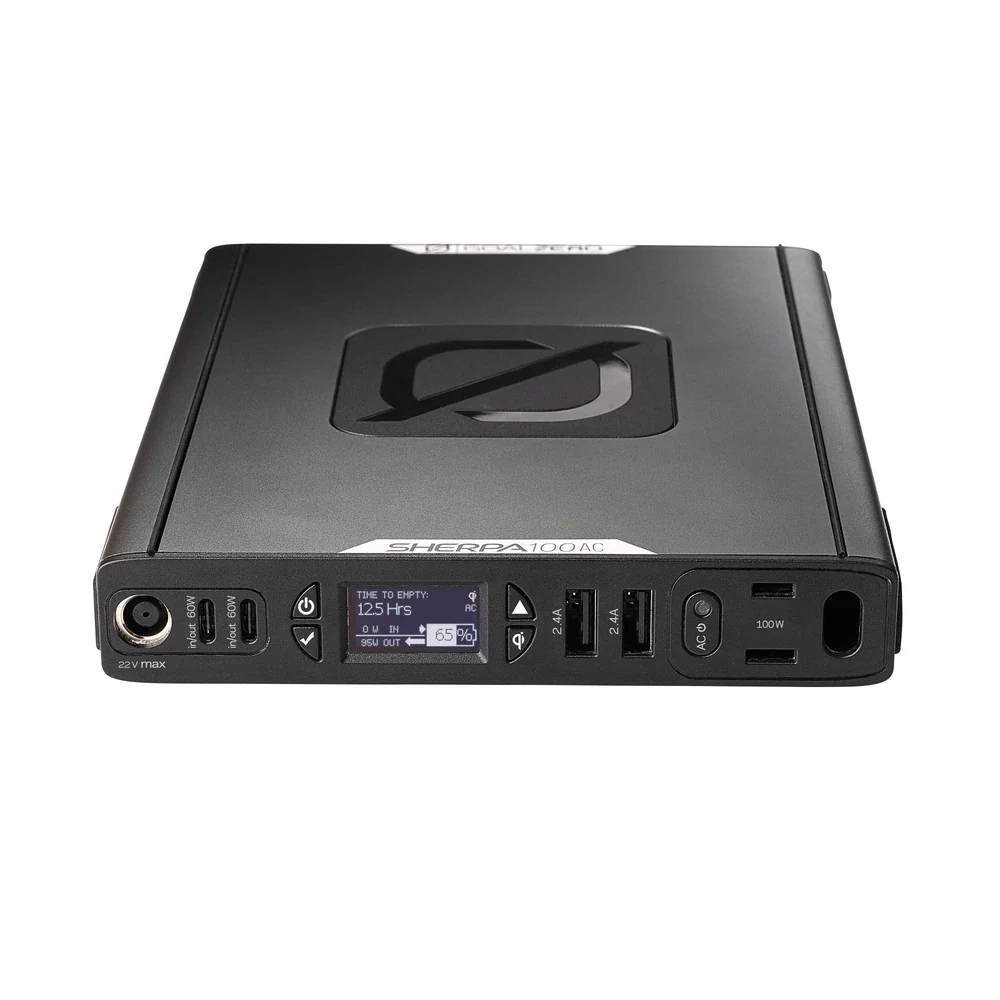
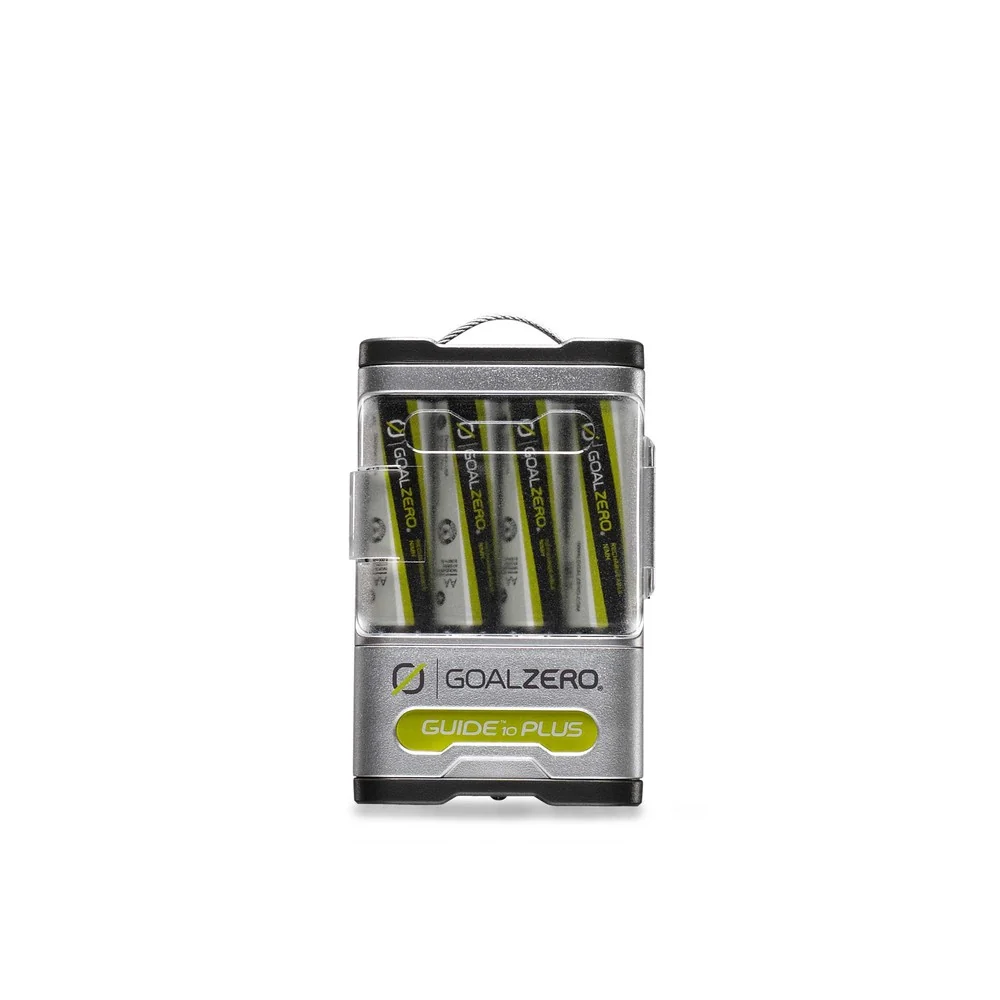
When the grid goes down, the last thing you want is to be guessing which outlets you can still use. I've set up a few Yeti systems now, and the biggest mistake I see is buying a power station without thinking about what it actually needs to run.
Match your Yeti size to the load
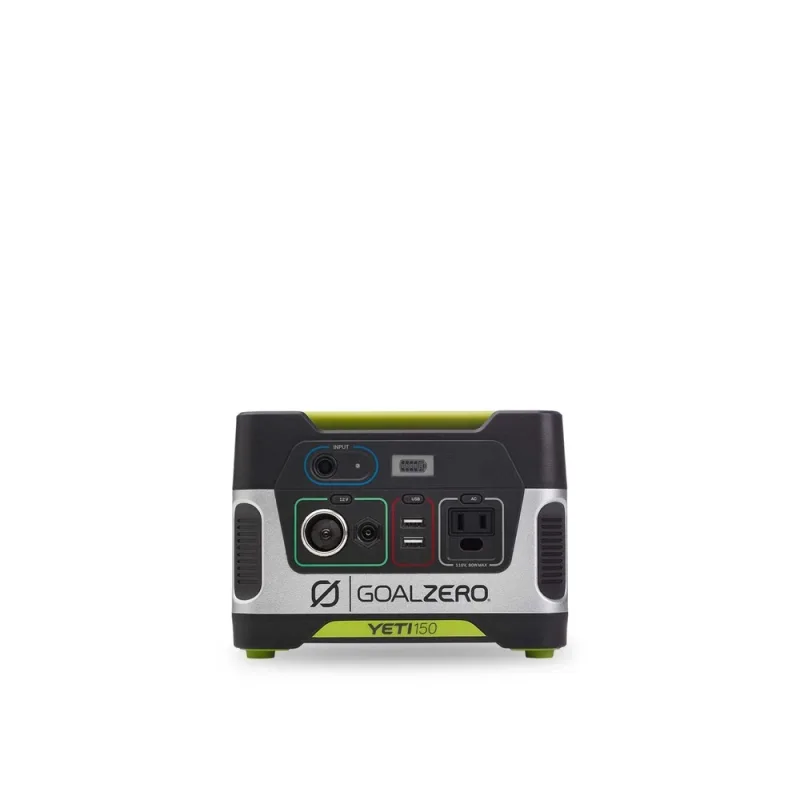
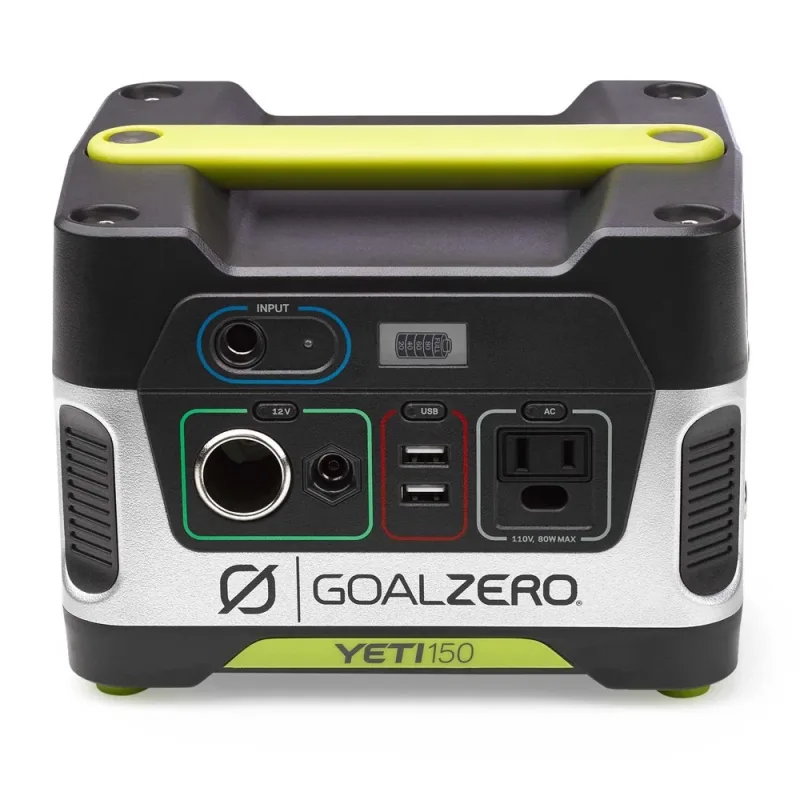
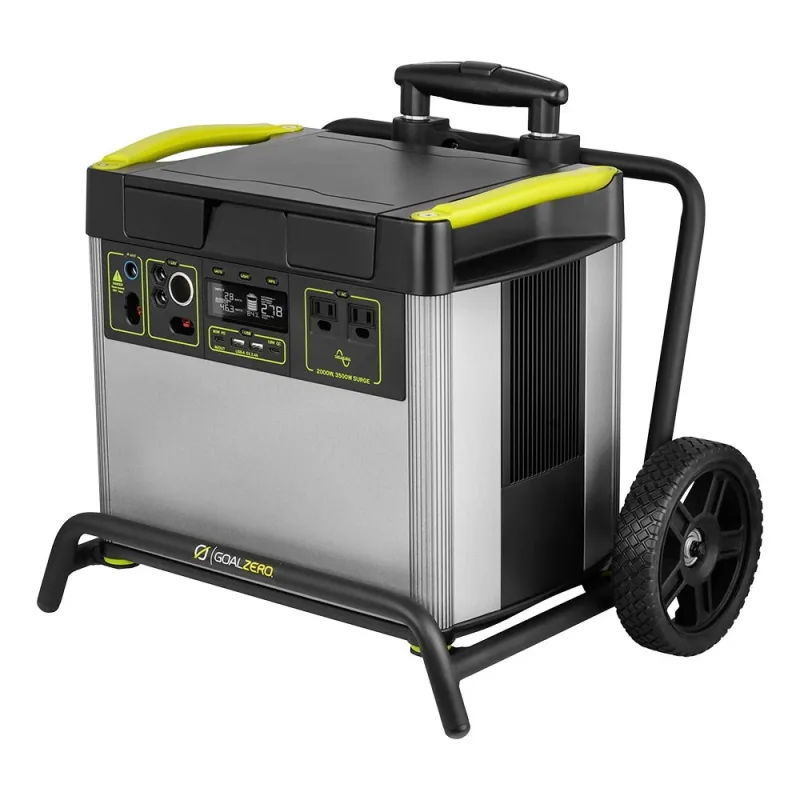
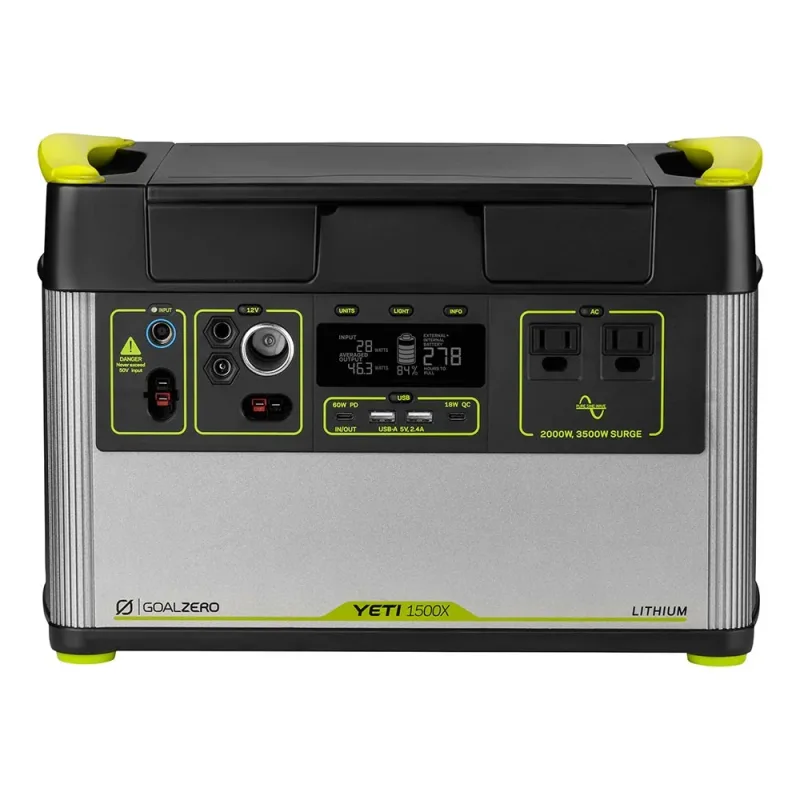
A Yeti 150 will keep phones, a lamp, and a small fan going for hours. That's fine for a short outage. But if you want to run a full-size fridge, you're looking at something like a Yeti 3000X or bigger. The middle ground — a Yeti 1000 Core or 1500 — covers a lot of people's actual needs: a fridge, a few lights, a laptop, and a CPAP machine without breaking a sweat. Write down the wattage of everything you'd want to run, add 20% for surge, and pick the Yeti that fits with a little headroom.
Pairing solar panels for faster recharge
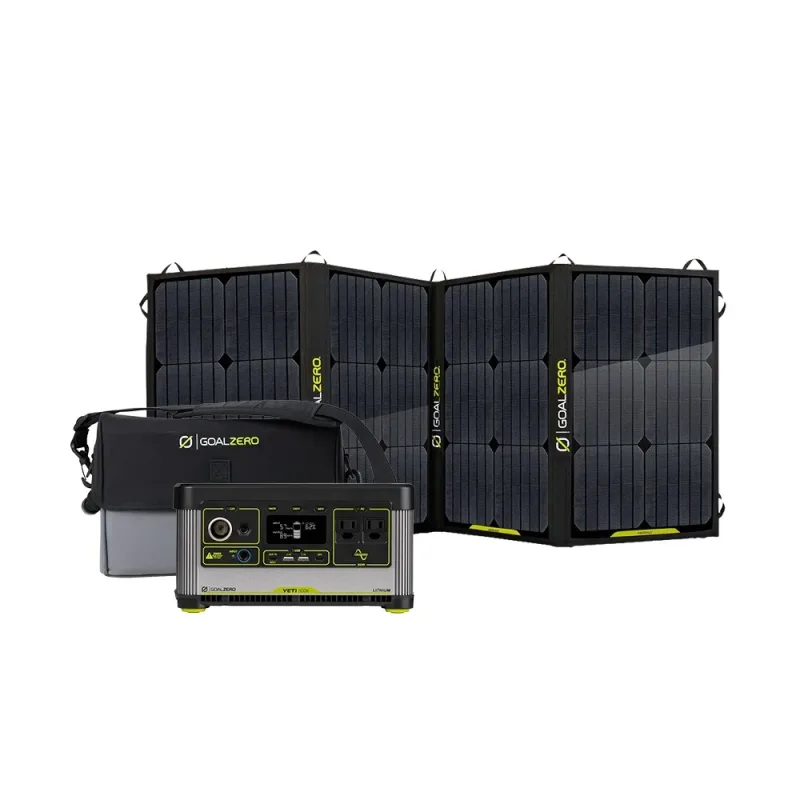
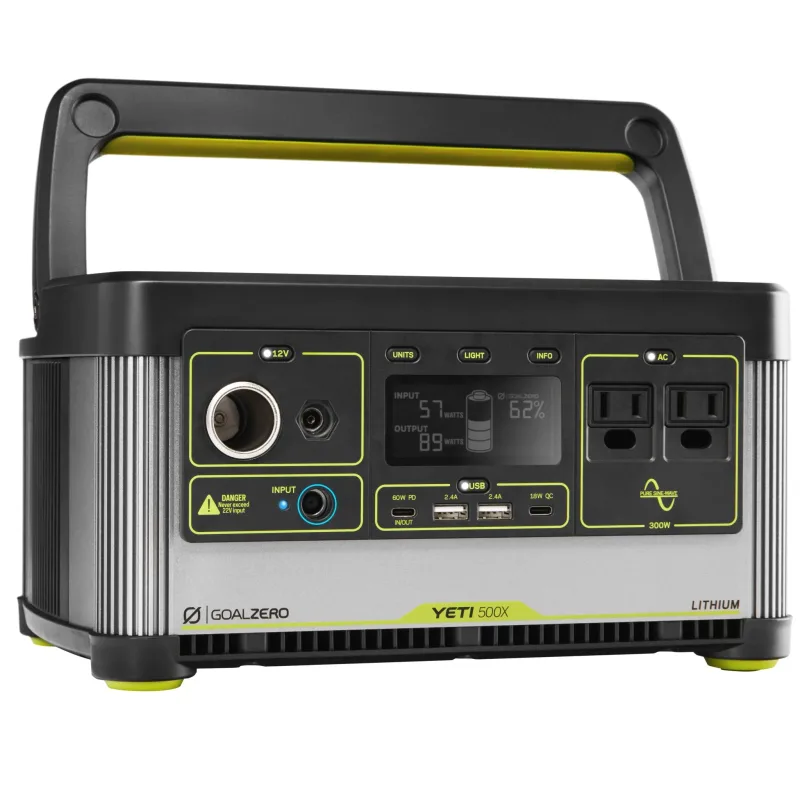
The panel you choose changes everything about how long you're without power. A single Nomad 50+ will recharge a Yeti 500X in a day of good sun. Step up to a Boulder 100 BC and you're cutting that time in half. If you're building a kit from scratch, the Yeti 500X + Nomad 100 Solar Generator bundle is a solid starting point because the panel and station are already matched. For small weekend trips, a Nomad 5 or Nomad 10 is enough to top up a phone and a headlamp, but don't expect it to refill a 1000Wh battery in any reasonable time.
Wiring it together
Goal Zero makes this part easier than it used to be. The HPP+ Solar Bulkhead Inlet lets you run panel cables through a wall or vehicle panel without leaving a window cracked. From there, 15 ft. and 30 ft. Solar Extension Cables give you the reach to place panels where the sun actually hits. If you're running two panels into one input, the Solar Parallel Combiner keeps the wiring tidy and the voltage stable. I keep a 30 ft. cable coiled in my garage because the best panel placement is rarely right next to the battery.
Expanding for whole-home backup
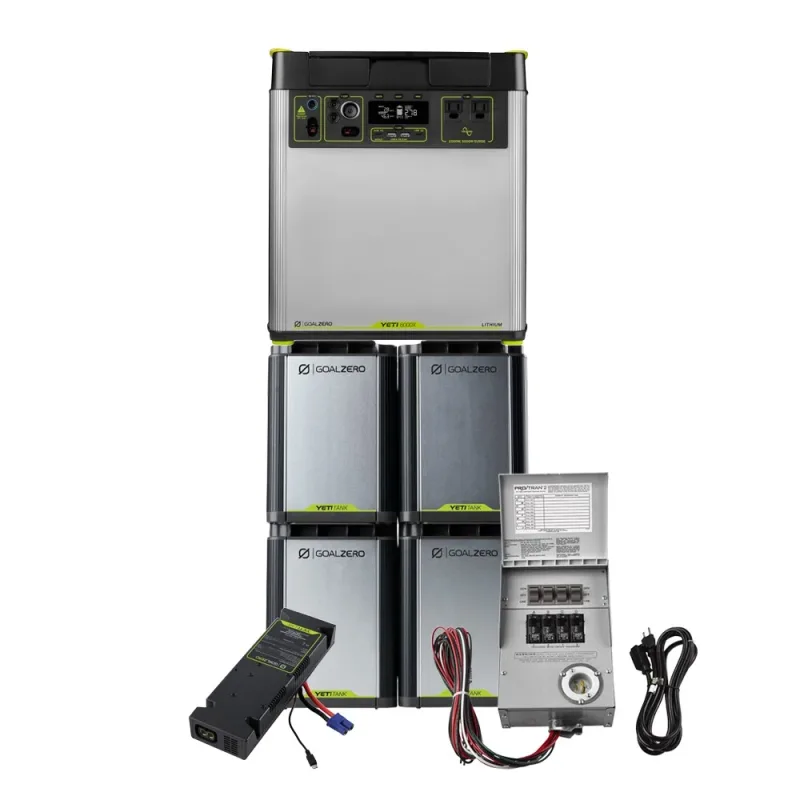
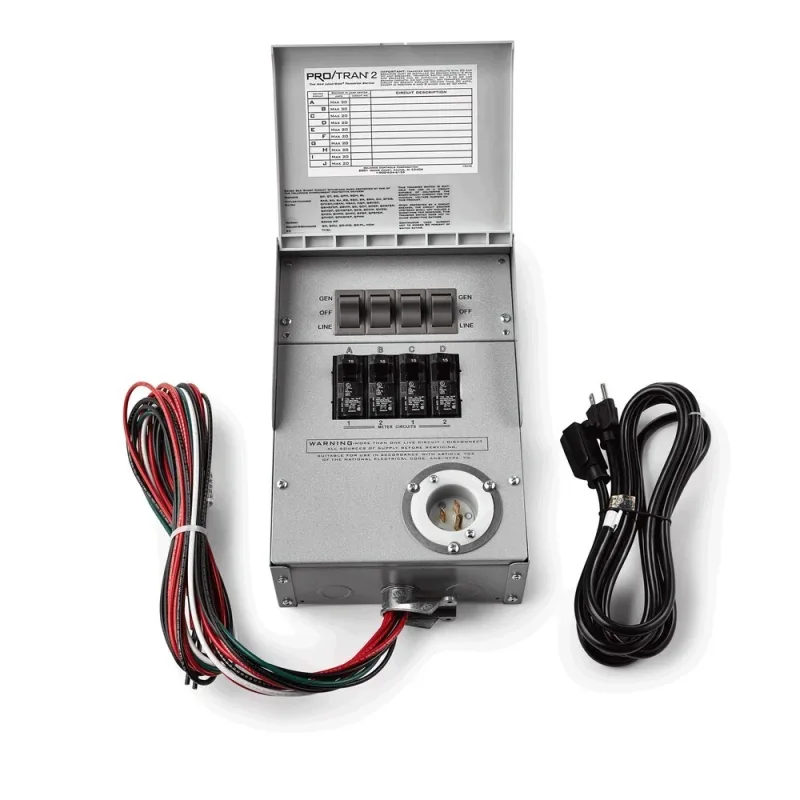
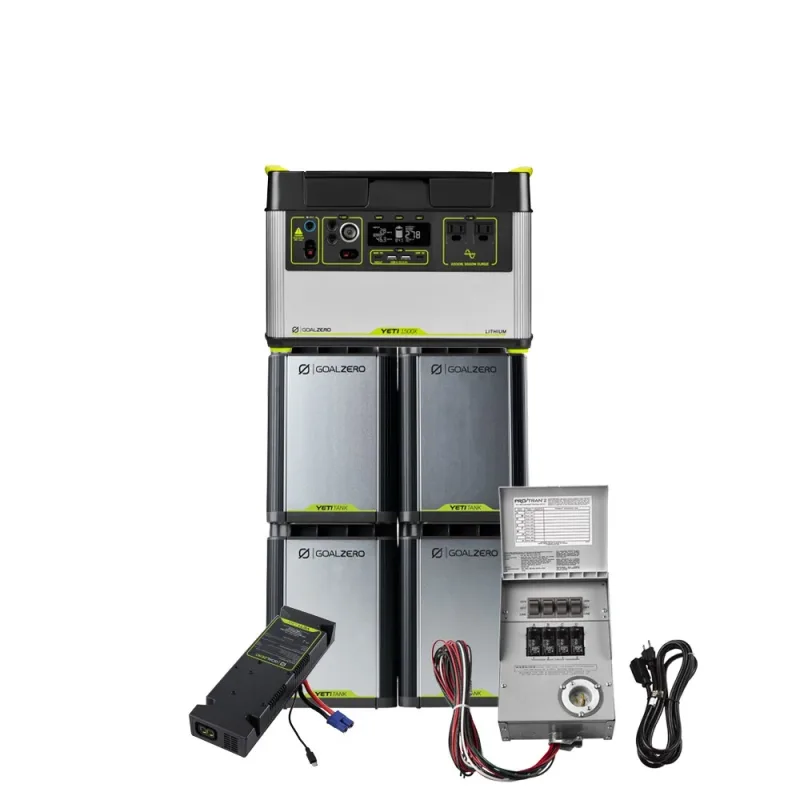
This is where things get serious. The Yeti Link Expansion Module V3 lets you chain additional batteries onto a compatible Yeti, and the Vehicle Integration Kit V3 lets you charge from your car's alternator while you drive. A 10800Wh Home Backup System is built around that idea — you're not just buying a battery, you're building a small power plant that can be refilled from solar, wall, or vehicle. The 6300Wh Home Backup System is a smaller version of the same concept if your critical loads are lighter.
Small extras that matter
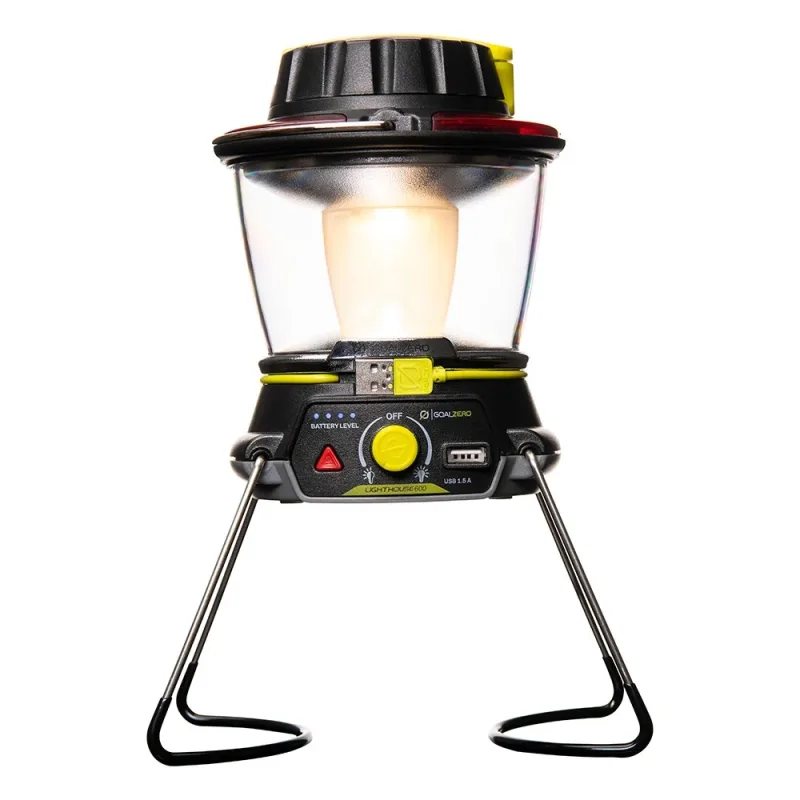
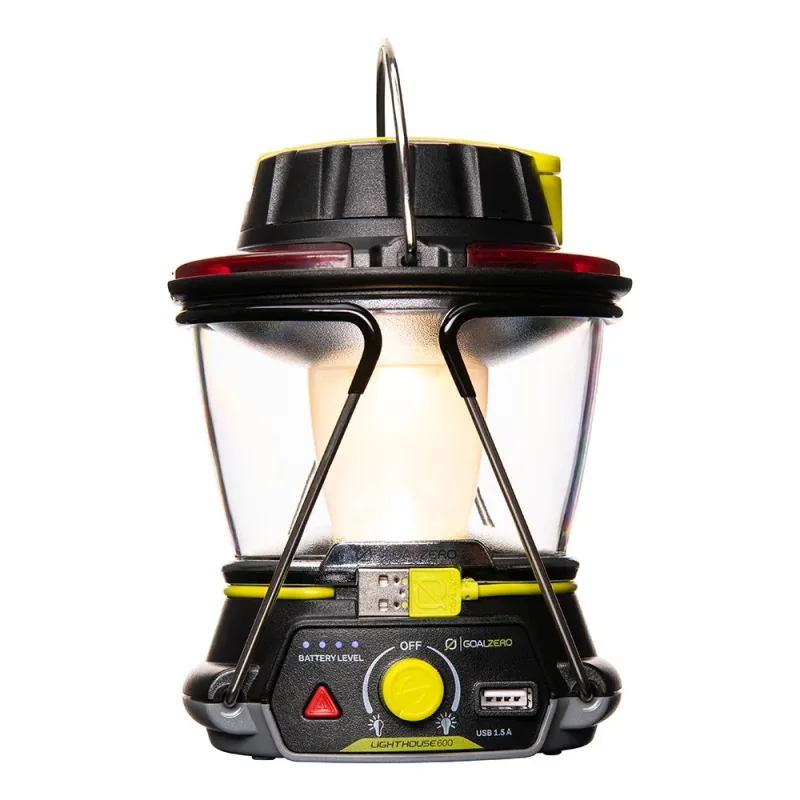
Two things I didn't think I'd care about until I used them: a proper case and good lighting. The Yeti 700 Protection Case keeps dust and scuffs off the station when it's riding in a truck bed. For light, the Lighthouse 600 Lantern & USB Power Hub doubles as a phone charger, and the Lighthouse Micro Charge USB Rechargeable Lantern clips onto a tent loop or a belt. Little stuff, but in a real outage, little stuff is what keeps everyone calm.
One last thing: test your setup before you need it. Plug in your fridge, run it for an hour, and see what the battery percentage does. That one experiment will tell you more than any spec sheet.